
Step 1: Prepare the Potatoes
Peel and cut the potatoes into evenly sized chunks. Uniform pieces help ensure consistent cooking.
Step 2: Start with Cold Water
Place the potatoes in a large pot and cover them with cold salted water.
Starting with cold water allows the potatoes to cook evenly from the inside out.
### Step 3: Cook Until Tender
Bring the water to a gentle boil and cook for 15 to 20 minutes, or until the potatoes can be easily pierced with a fork.
### Step 4: Drain Thoroughly
Drain the potatoes completely.
Many professional chefs return the drained potatoes to the warm pot for a minute or two to evaporate excess moisture.
This simple step helps create a richer final texture.
### Step 5: Warm the Dairy
While the potatoes are draining, gently heat the butter and cream together.
Adding warm ingredients prevents the potatoes from cooling too quickly and helps maintain a silky consistency.
### Step 6: Mash Carefully
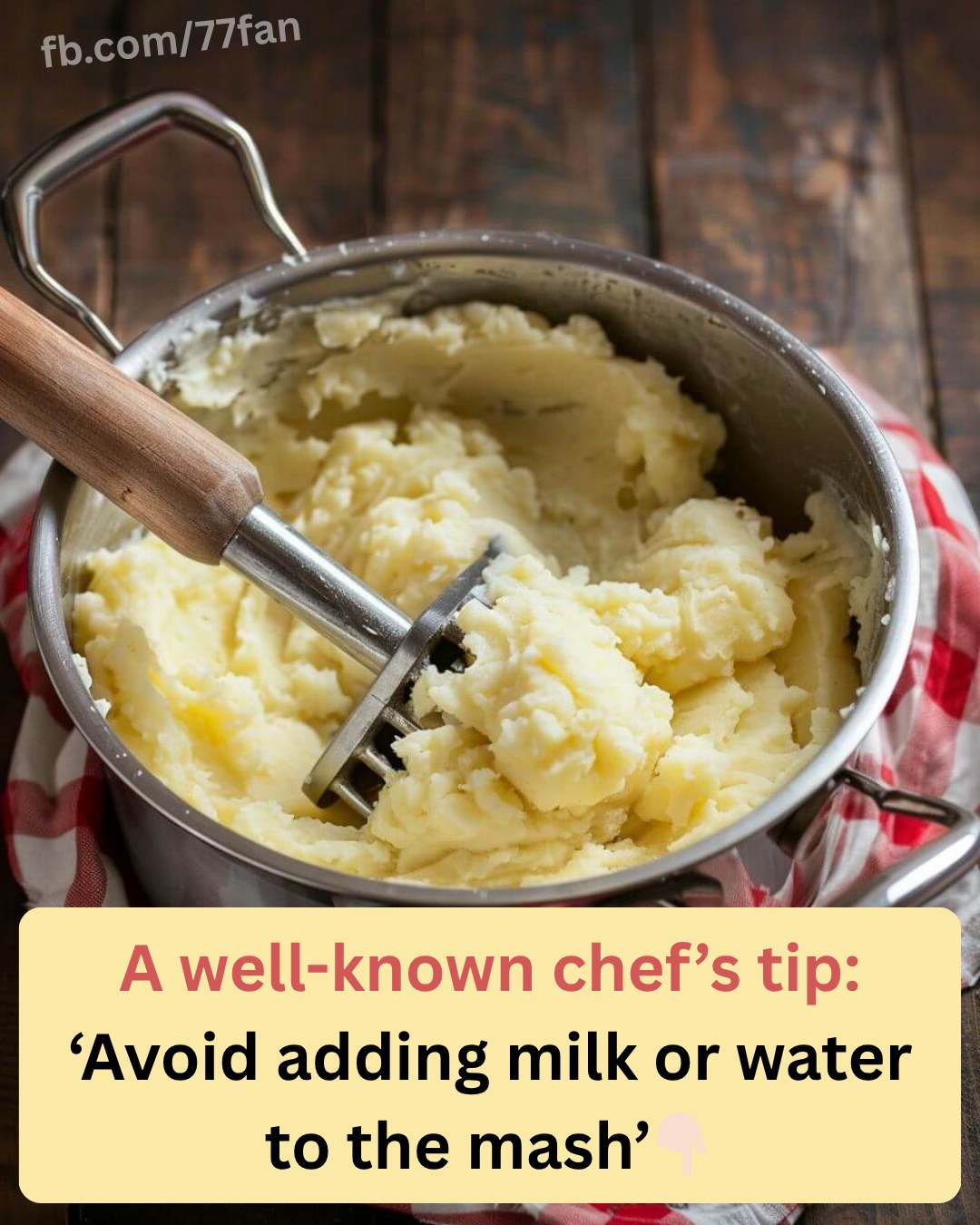
Use a potato masher, potato ricer, or food mill to mash the potatoes.
Avoid using a blender or food processor, which can overwork the starches and create a gummy texture.
### Step 7: Incorporate Butter and Cream
Gradually add the warm butter and cream mixture while stirring gently.
Continue until the potatoes reach your preferred consistency.
### Step 8: Season and Serve
Taste and adjust with salt and pepper before serving.
## The Biggest Mistakes to Avoid
### Overmixing
Excessive mixing activates the potato starches and creates a glue-like texture.
### Using Cold Butter or Cream
Cold ingredients can make mashed potatoes dense and uneven.
### Undercooking the Potatoes
Firm potato pieces are difficult to mash smoothly.
### Skipping the Drying Step
Excess water can dilute flavor and reduce creaminess.
## Chef Secrets for Even Better Results
### Use a Potato Ricer
Many professional kitchens rely on potato ricers because they create an exceptionally smooth texture without overworking the potatoes.
### Add Butter First
Some chefs mix butter into the potatoes before adding cream. The butter coats the starch molecules and helps maintain a lighter consistency.
### Season the Cooking Water
Potatoes absorb seasoning while they cook, improving flavor throughout the dish.
### Taste Frequently
Proper seasoning is essential. Small adjustments can dramatically improve the final result.
## Flavor Variations
### Garlic Mashed Potatoes
Blend roasted garlic into the potatoes for a rich, savory flavor.
### Herb Mashed Potatoes
Mix in fresh rosemary, thyme, parsley, or chives.
### Cheesy Mashed Potatoes
Add grated Parmesan, cheddar, or Gruyère cheese.
### Loaded Mashed Potatoes
Top with bacon, cheese, sour cream, and green onions.
## What to Serve with Mashed Potatoes
Creamy mashed potatoes pair beautifully with:
* Roast chicken
* Turkey
* Beef roast
* Meatloaf
* Grilled steak
* Pork chops
* Braised short ribs
* Vegetable dishes
Their versatility makes them one of the most popular side dishes for family dinners and holiday meals.
## Storage and Reheating
### Refrigeration
Store leftovers in an airtight container for up to 4 days.
### Reheating
Warm gently on the stovetop or in the microwave, adding a splash of milk or cream if needed.
### Freezing
Mashed potatoes can be frozen for up to one month, though freshly made potatoes generally offer the best texture.
## Frequently Asked Questions
### Why are my mashed potatoes gummy?
Overmixing is the most common cause. Avoid food processors and excessive stirring.
### Can I make mashed potatoes ahead of time?
Yes. They can be prepared a day in advance and reheated before serving.
### Which potato variety is best?
Russet potatoes provide maximum fluffiness, while Yukon Gold potatoes offer exceptional creaminess.
### How do restaurants make mashed potatoes so rich?
Many restaurants use generous amounts of butter, warm cream, proper mashing techniques, and careful moisture control.
