
The Small Detail That Could Protect Your Health
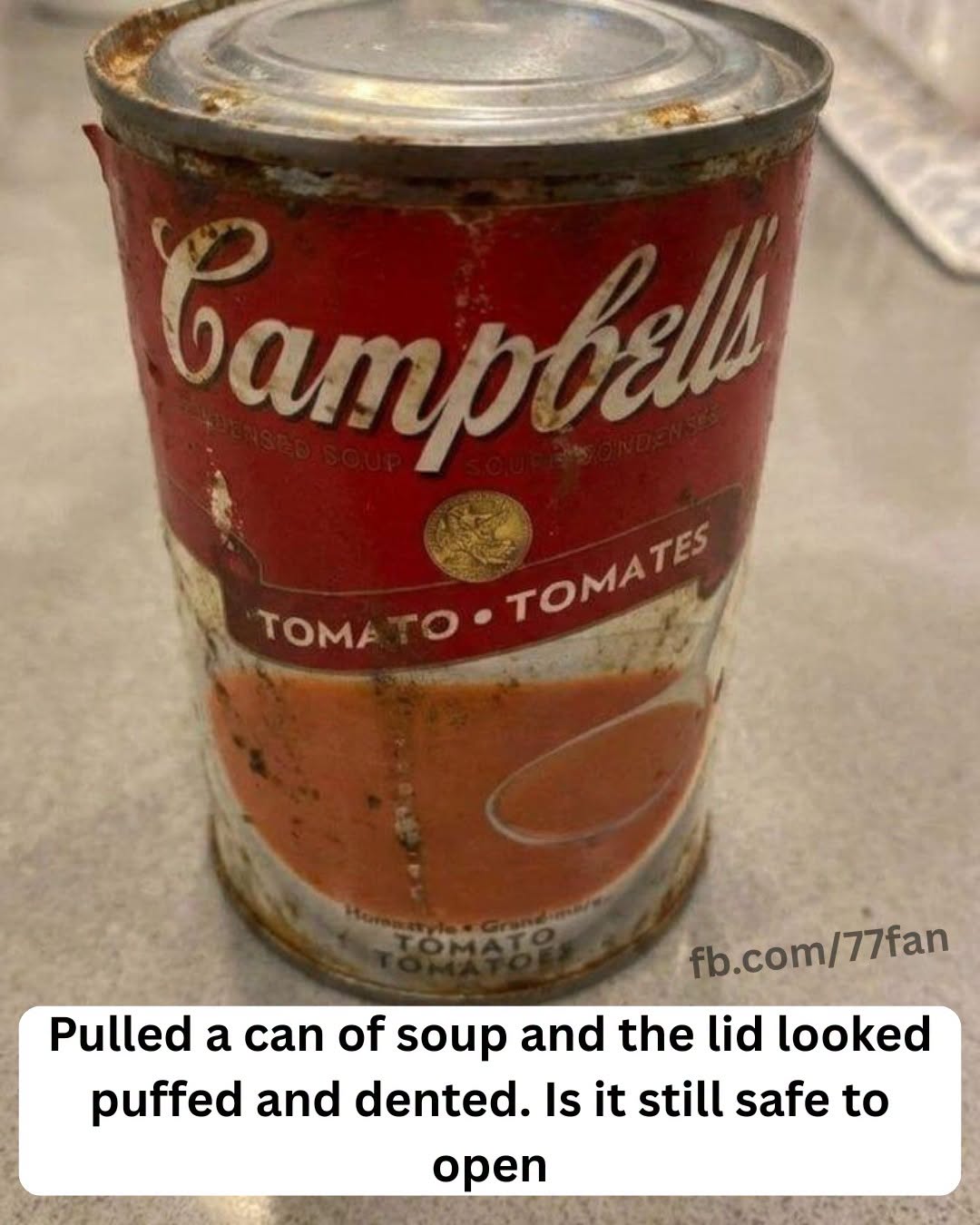
One afternoon while organizing pantry shelves, I reached for a can I planned to use for dinner. Everything seemed normal until I noticed something unusual—the lid wasn’t flat.
Instead, it appeared slightly swollen.
At first glance, it didn’t seem like a big deal. The can wasn’t leaking, rusted, or damaged. But that small bulge turned out to be an important warning sign that food safety experts advise consumers never to ignore.
A puffed or swollen can may indicate dangerous bacterial activity inside the container, and opening it could expose you to spoiled food or even serious foodborne illness.
Here’s what every home cook should know.
Why Do Cans Become Swollen?
Commercially canned foods are designed to be airtight. When sealed correctly, the contents remain protected from outside contamination.
However, if bacteria begin growing inside the can, they may produce gases as they multiply.
Those gases create pressure within the container, causing the lid, bottom, or sides of the can to bulge outward.
This pressure buildup is often one of the earliest visible signs that something has gone wrong.
The Most Common Causes of Bulging Cans
### Bacterial Growth
One of the most serious causes is bacterial contamination that occurred during processing or because the seal failed.
As bacteria grow, they can release gases that expand the container.
### Damaged Seals
Tiny defects in the sealing process can allow microorganisms to enter and contaminate the food over time.
### Improper Storage
Extreme temperatures, humidity, or physical damage can sometimes compromise the integrity of canned foods.
### Aging Products
Although canned foods often have long shelf lives, very old products may eventually develop quality or safety issues if storage conditions were poor.
