
Ginger has well-documented blood sugar lowering properties. Multiple studies have confirmed that ginger consumption — particularly in supplement form — can meaningfully reduce fasting blood glucose levels and improve insulin sensitivity. For someone managing prediabetes through lifestyle changes alone, this effect can be genuinely beneficial.
But for someone who is already taking medication to lower blood sugar — insulin injections, metformin, sulfonylureas, or other antidiabetic drugs — adding ginger’s glucose-lowering effects on top of medication can push blood sugar to dangerously low levels. This condition, known as hypoglycemia, can cause symptoms ranging from shakiness, sweating, and confusion to seizures and loss of consciousness in severe cases.
The risk is not from cooking with a small slice of fresh ginger in a stir-fry — it comes from the regular consumption of ginger tea, ginger supplements, concentrated ginger shots, or other high-dose ginger products that deliver enough active compounds to have a measurable pharmacological effect on blood glucose.
People with diabetes who want to incorporate ginger into their routine are not necessarily forbidden from doing so — but they need to do it under medical supervision, with careful monitoring of blood sugar levels, and with their doctor’s knowledge so that medication doses can be adjusted if necessary.
Bottom line: If you are taking any medication for diabetes or blood sugar management, do not begin regular consumption of medicinal amounts of ginger without consulting your doctor first. Monitor your blood sugar closely if you do use ginger regularly.
3. ⚠️ High Blood Pressure and Blood Pressure Medications
Ginger has been shown in research to have a measurable blood pressure lowering effect. It acts as a natural calcium channel blocker — relaxing the smooth muscle in blood vessel walls and allowing them to dilate, which reduces the resistance against which the heart pumps and lowers blood pressure as a result.
For someone with hypertension who is not yet on medication, this property of ginger can be a useful part of a dietary approach to managing blood pressure. However, for someone already taking antihypertensive medications — beta-blockers, ACE inhibitors, calcium channel blockers, diuretics, or ARBs — ginger can compound the blood pressure lowering effect of those drugs, causing blood pressure to drop too low.
Hypotension — excessively low blood pressure — can cause dizziness, lightheadedness, fainting, and falls, particularly in older adults. It can also reduce blood flow to vital organs including the heart and brain, which in vulnerable individuals can trigger serious events.
This interaction is particularly relevant for elderly people, who are often simultaneously taking multiple blood pressure medications, have naturally lower baseline blood pressure, and are at greater risk of falls and injury from dizziness episodes.
Bottom line: If you are taking blood pressure medications, discuss regular ginger consumption with your doctor. Pay attention to symptoms of low blood pressure — dizziness when standing, unusual fatigue, lightheadedness — that may indicate the combination is pushing your pressure too low.
4. ⚠️ Gallstones and Gallbladder Disease
This contraindication surprises most people because it is less commonly discussed than the blood-thinning or blood sugar interactions — but it is equally important for people with gallbladder conditions.
Ginger is a potent stimulator of bile production. Bile is the digestive fluid produced by the liver, stored in the gallbladder, and released into the small intestine to help digest fats. For most people, ginger’s ability to stimulate bile flow is a digestive benefit — it improves fat digestion and reduces bloating and indigestion after fatty meals.
However, for people who have gallstones — solid deposits that form in the gallbladder when bile components crystallize — increased bile production and flow can be seriously problematic. Stimulating the gallbladder to contract more strongly and release more bile can cause existing stones to move, potentially blocking the bile duct. A blocked bile duct is a medical emergency that causes severe pain — known as a biliary colic attack — and can lead to serious complications including cholecystitis (gallbladder inflammation), pancreatitis, or jaundice.
People with a history of gallstones, those who have been told they are at risk of gallbladder disease, or anyone who has experienced unexplained upper right abdominal pain after eating fatty foods should consult their doctor before using ginger medicinally.
The active compounds gingerol and shogaol in ginger are specifically what drive bile stimulation — meaning that both fresh ginger and dried ginger supplements carry this risk, though concentrated forms are more likely to be problematic than small culinary amounts.
Bottom line: If you have gallstones, gallbladder disease, or a history of biliary problems, speak with your doctor before using ginger as a regular health supplement or remedy.
5. ⚠️ Acid Reflux, GERD, and Stomach Ulcers
This one is particularly ironic — because ginger is so widely recommended as a remedy for nausea, indigestion, and stomach upset that many people with digestive issues reach for it first. And for many digestive problems, it genuinely helps. But for certain specific digestive conditions, ginger can make things significantly worse.
Ginger stimulates the production of stomach acid as part of its digestive-enhancing effect. For someone with a healthy stomach lining, this increased acid production improves the breakdown of food and speeds digestion. But for someone whose stomach lining is already compromised — through gastroesophageal reflux disease, a peptic or gastric ulcer, or chronic gastritis — additional acid production can aggravate the condition significantly.
People with GERD already struggle with stomach acid refluxing upward into the esophagus, causing the characteristic burning pain of heartburn. Adding ginger — particularly in concentrated forms like ginger tea, ginger shots, or ginger supplements taken on an empty stomach — can increase acid production enough to worsen reflux episodes and intensify heartburn symptoms.
For people with active stomach or duodenal ulcers, the acid-stimulating effect of ginger can directly irritate the already-damaged stomach lining, causing increased pain and potentially slowing the healing process. The active compounds in ginger have also been noted to interact with antacid medications used to treat ulcers, potentially reducing their effectiveness.
Additionally, fresh ginger consumed in large pieces without being adequately chewed has been noted as a risk for intestinal obstruction in people with pre-existing digestive structural issues — a rare but serious complication.
Bottom line: If you have GERD, chronic acid reflux, a stomach ulcer, or gastritis, be cautious with ginger — particularly concentrated forms consumed on an empty stomach. Small amounts cooked into food may be better tolerated than raw ginger or ginger supplements.
How Much Ginger Is Too Much?
For people who do not fall into the above categories, ginger is an extraordinarily safe and beneficial food and supplement when consumed in appropriate amounts. As a general guideline, most health authorities recommend not exceeding four grams of ginger per day from all sources combined — food, tea, supplements, and other products.
To put that in context, roughly one teaspoon of fresh grated ginger weighs about four to five grams — so staying within safe limits while enjoying ginger in cooking and tea is very achievable for most people. The problems arise when people begin consuming multiple cups of concentrated ginger tea, high-dose ginger supplements, and ginger-enriched products simultaneously, pushing their total daily intake well beyond the recommended threshold.
Signs that you may be consuming too much ginger include heartburn, digestive discomfort, loose stools or diarrhea, mouth and throat irritation, unusual dizziness, and in people sensitive to its effects — excessive drowsiness or confusion.
Ginger and Pregnancy: A Special Mention
Ginger is widely used and generally considered safe for relieving pregnancy-related nausea and morning sickness in the first trimester — and it is one of the few natural remedies with reasonable scientific support for this use. However, because ginger has mild blood-thinning and uterine-stimulating properties, many obstetricians advise against using it in large medicinal amounts — particularly in the later stages of pregnancy, approaching the delivery date.
If you are pregnant and want to use ginger for morning sickness, using it in small amounts in cooking or as a mild tea is generally considered lower risk than high-dose supplements. Always discuss any use of medicinal ginger with your obstetrician before proceeding.
What to Use Instead of Ginger
If you have one of the conditions above and need to avoid ginger, there are alternative natural remedies that offer some of the same benefits with fewer risks:
For nausea: Peppermint tea, chamomile tea, or acupressure wristbands are well-tolerated alternatives
For inflammation: Turmeric — which is generally safer for people who cannot tolerate ginger — offers powerful anti-inflammatory benefits, though it should also be used with caution on blood thinners
For digestion: Fennel tea, chamomile, or warm lemon water can support gentle digestive improvement without stimulating excess acid
For immune support: Elderberry, echinacea, and vitamin C-rich foods offer immune benefits without ginger’s blood-thinning or acid-stimulating effects
The Bottom Line
Ginger is one of nature’s most powerful and broadly beneficial remedies — but power always comes with responsibility. For the vast majority of healthy adults without the conditions described above, ginger is safe, beneficial, and worth including regularly in the diet.
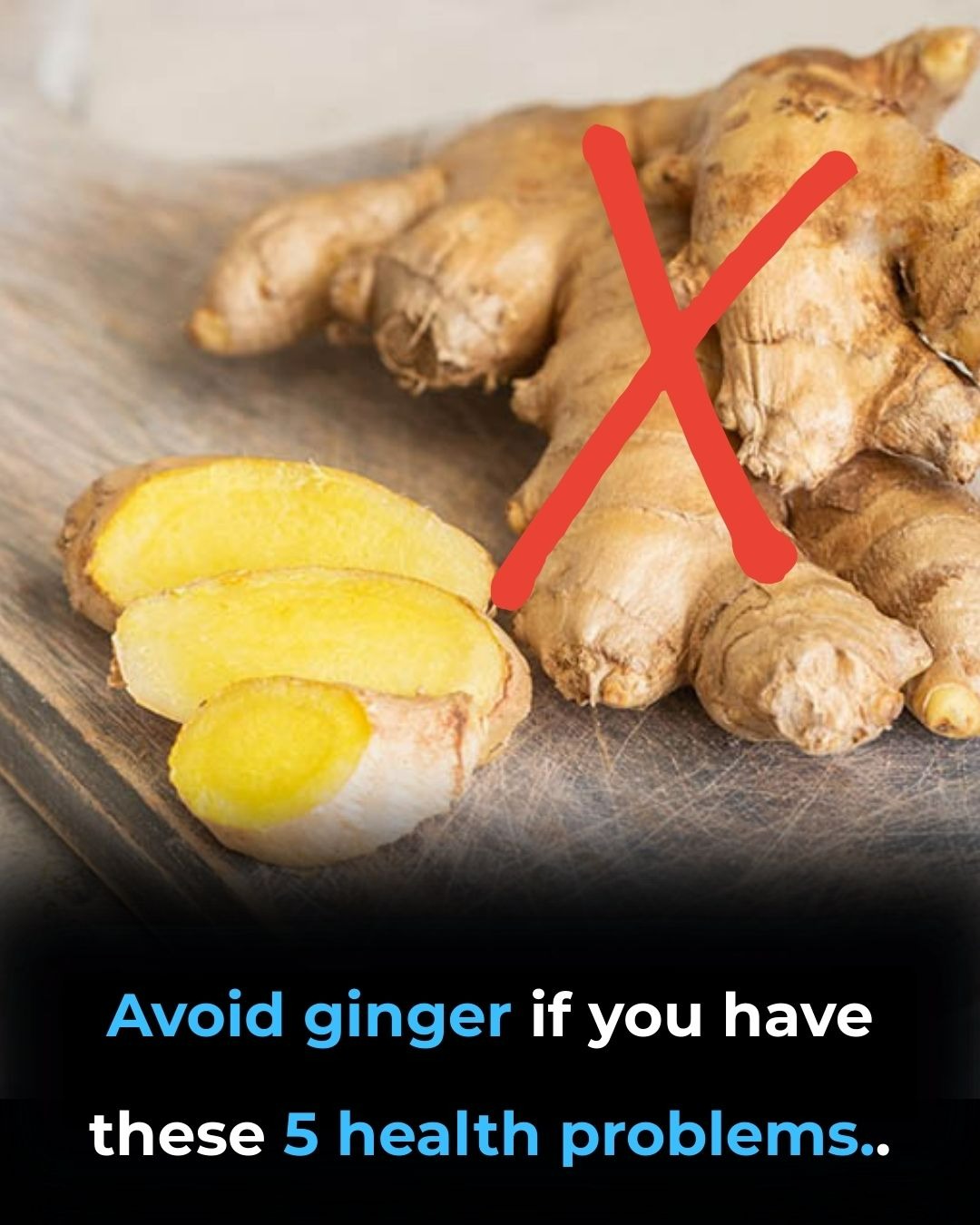
But if you have a bleeding disorder, take blood thinners, manage diabetes with medication, have high blood pressure on treatment, suffer from gallstones, or deal with GERD or stomach ulcers — ginger deserves your careful attention before your casual enthusiasm.
Know your body. Know your conditions. And always discuss significant dietary changes with your doctor, especially when those changes involve a food as pharmacologically active as ginger.
