
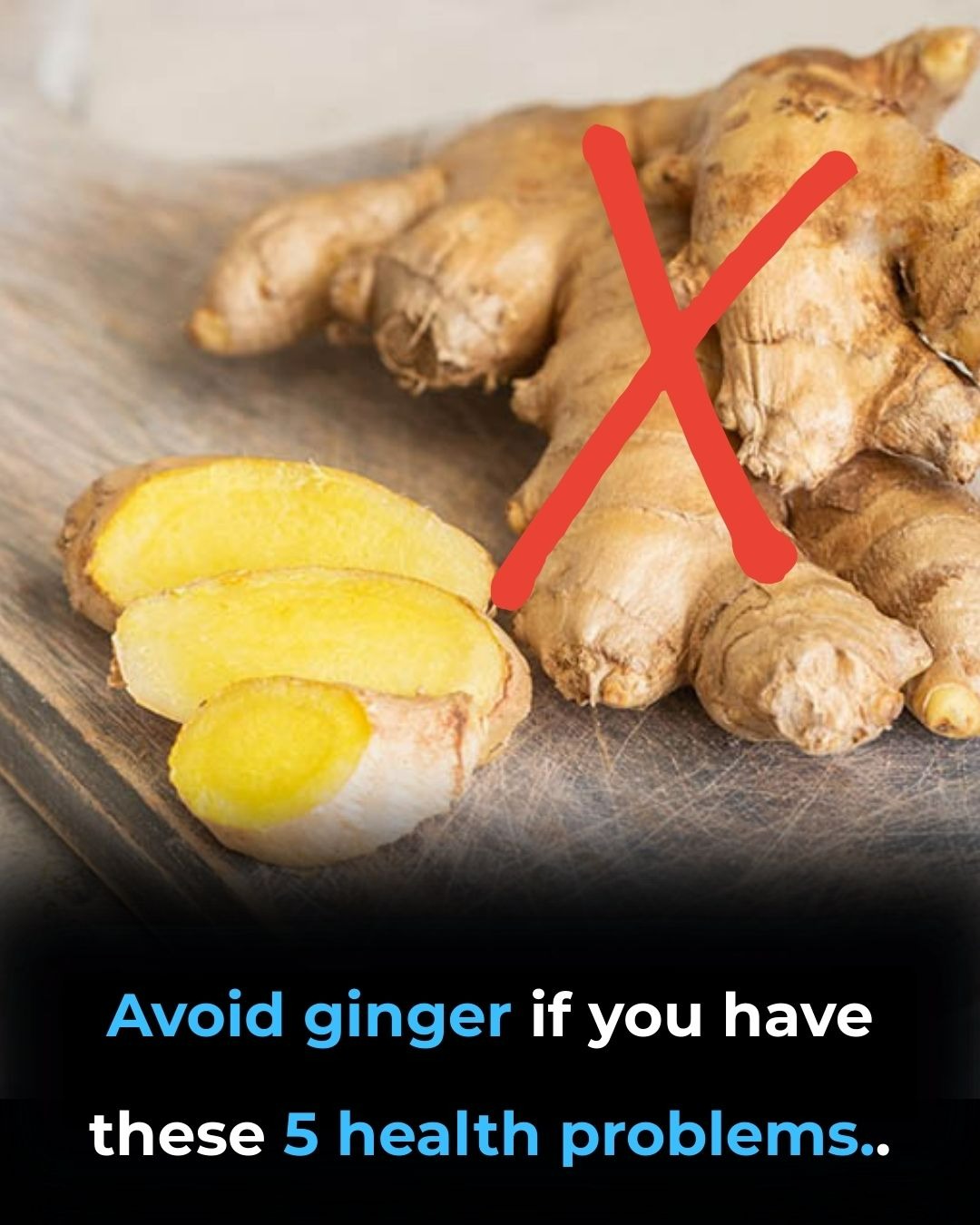
Ginger is one of the most celebrated natural remedies in the world. But for certain people, it is not a health food — it is a health risk. Here is what you need to know before your next cup of ginger tea.
For thousands of years, ginger has been revered across cultures as a powerful medicinal root. Ancient Chinese medicine used it to treat digestive complaints, nausea, and respiratory conditions. Ayurvedic medicine prescribed it for inflammation, circulation, and immune support. Modern science has confirmed many of these traditional uses — ginger is genuinely rich in bioactive compounds like gingerol and shogaol that have real, measurable anti-inflammatory, antioxidant, and digestive properties.
So it might come as a surprise to learn that ginger — this beloved, natural, centuries-old remedy — can be genuinely dangerous for certain people. Not because it is toxic in the conventional sense, but because its powerful bioactive properties interact with specific health conditions and medications in ways that can cause serious harm.
If you fall into any of the five categories below, ginger deserves your caution — not your enthusiasm.
Why Ginger Is So Powerful — And Why That Is a Double-Edged Sword
Understanding why ginger can be problematic for some people starts with understanding what makes it so effective for everyone else.
Ginger’s primary active compounds — gingerol in fresh ginger and shogaol in dried ginger — have potent effects on multiple body systems simultaneously. They inhibit certain inflammatory pathways, relax blood vessels, stimulate bile production, lower blood sugar, reduce blood pressure, thin the blood by inhibiting platelet aggregation, and accelerate the movement of food through the digestive tract.
In a healthy person with no underlying conditions and no medications, these effects are almost entirely beneficial. But in someone with a specific health vulnerability or who is taking medications that affect the same biological pathways, ginger can amplify effects to dangerous levels — causing blood pressure to drop too low, blood sugar to fall dangerously, bleeding to become difficult to control, or existing digestive conditions to worsen significantly.
The problem is that ginger has such a wholesome, natural reputation that most people never think to check whether it is appropriate for their specific situation. This article is the information most people never receive.
1. ⚠️ Bleeding Disorders and Blood-Thinning Medications
This is the most serious and medically well-documented contraindication for ginger — and the one that poses the greatest risk if ignored.
Ginger has natural antiplatelet properties, meaning it actively inhibits the aggregation of platelets — the tiny blood cells responsible for forming clots when you are bleeding. The bioactive compounds in ginger relax blood vessels and interfere with the chemical signals that trigger clot formation. In a healthy person, this effect is mild and generally considered beneficial for cardiovascular health, as it reduces the risk of dangerous clots forming in arteries.
However, for people who already have a compromised clotting ability — whether due to a diagnosed bleeding disorder like hemophilia, thrombocytopenia, or von Willebrand disease — adding ginger’s antiplatelet effects to an already dysfunctional clotting system can significantly increase the risk of prolonged bleeding from cuts, dental procedures, injuries, or internal trauma.
The risk is even more significant for people taking anticoagulant or antiplatelet medications — drugs like warfarin, clopidogrel, aspirin therapy, heparin, or newer blood thinners. Ginger can amplify the effects of these medications, pushing blood thinning beyond therapeutic levels and into dangerous territory. The result can be unexpected bruising, difficulty stopping minor bleeding, or in severe cases, dangerous internal hemorrhage.
The concern is serious enough that health authorities and pharmacologists actively advise people on blood thinners to limit or avoid medicinal amounts of ginger and to discuss any regular ginger use with their prescribing doctor. Cooking with small amounts of ginger as a spice is generally considered lower risk — but ginger tea, ginger supplements, and concentrated ginger products consumed regularly can deliver enough active compounds to create a clinically significant interaction.
Bottom line: If you have a bleeding disorder, take blood thinners, or are scheduled for any surgical procedure, avoid medicinal doses of ginger and discuss even culinary use with your doctor. The FDA has specifically flagged this interaction as a reason for caution.
2. ⚠️ Diabetes and Blood Sugar Medications
NEXT PAGE
