
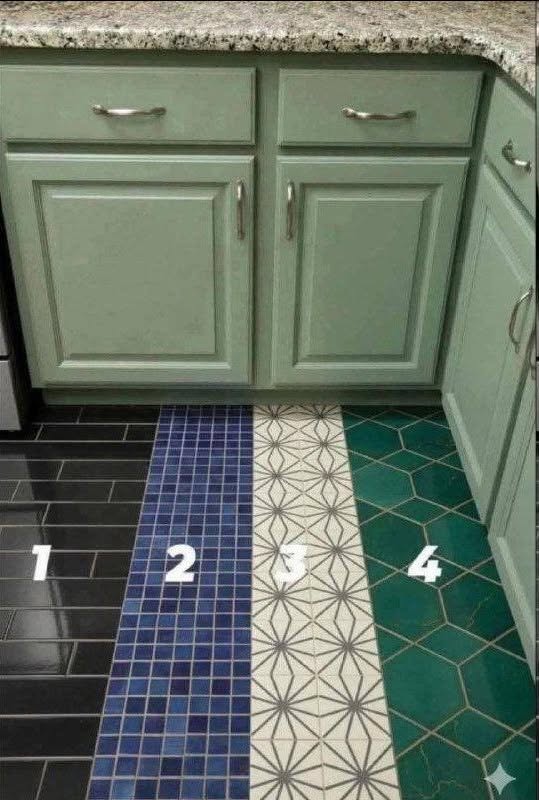
[adinserter block=”3″]
When designing or renovating a kitchen, most homeowners focus on cabinets, countertops, and appliances. However, one of the most important decisions you’ll make is choosing the right flooring. Kitchen floors endure constant foot traffic, spills, dropped utensils, heat, and daily wear, making durability just as important as appearance.
The perfect kitchen floor tile should combine beauty, functionality, comfort, and long-term performance. With countless materials, colors, sizes, and styles available, finding the best option can seem overwhelming. Fortunately, understanding the key factors involved can make the process much easier.
Why Kitchen Flooring Deserves Special Attention
The kitchen is one of the busiest rooms in any home. Unlike living rooms or bedrooms, kitchen floors face unique challenges every day.
A quality kitchen floor should be able to:
- Resist moisture and spills
- Handle heavy foot traffic
- Withstand dropped cookware
- Remain easy to clean
- Complement the kitchen’s design
- Provide long-term durability
Choosing the wrong flooring can lead to premature wear, costly repairs, and ongoing maintenance issues.
Important Factors to Consider Before Choosing Tile
Durability
Kitchen floors experience significant daily use. Durable materials help prevent cracks, chips, scratches, and visible wear.
If your kitchen is frequently used by family members, children, or pets, durability should be one of your top priorities.
Water Resistance
Water is unavoidable in kitchens. Between sinks, dishwashers, cooking activities, and accidental spills, flooring must be able to withstand moisture.
Tiles with strong water resistance help prevent:
- Staining
- Mold growth
- Structural damage
- Long-term deterioration
Maintenance Requirements
Some flooring materials require extensive upkeep, while others remain attractive with minimal effort.
Before making a choice, consider:
- Cleaning frequency
- Special maintenance needs
- Long-term care costs
Busy households often benefit from low-maintenance flooring options.
Comfort
Many people spend extended periods standing in the kitchen while preparing meals.
Consider how the flooring feels underfoot, especially if you cook frequently.
Safety
Kitchen floors can become slippery when wet.
Look for tile surfaces that provide adequate traction to help reduce the risk of slips and falls.
Popular Kitchen Floor Tile Options
Ceramic Tile
Ceramic tile remains one of the most common choices for kitchen flooring.
Benefits
- Budget-friendly
- Easy to clean
- Available in countless colors and designs
- Resistant to moisture
Drawbacks
- Can crack if heavy objects are dropped
- Hard surface may be uncomfortable during prolonged standing
Ceramic offers an excellent balance between affordability and performance.
[adinserter block=”4″]
Porcelain Tile
Porcelain is a denser and more durable version of ceramic tile.
Benefits
- Highly resistant to water
- Extremely durable
- Scratch resistant
- Suitable for high-traffic kitchens
Drawbacks
- Higher initial cost
- More challenging installation
Because of its durability, porcelain is often considered one of the best long-term investments for kitchen flooring.
Natural Stone Tile
Natural stone creates a luxurious and timeless appearance.
Popular choices include:
- Slate
- Marble
- Granite
- Travertine
Benefits
- Unique natural patterns
- Exceptional visual appeal
- Long lifespan
Drawbacks
- More expensive
- Requires periodic sealing
- Can be more difficult to maintain
Stone flooring adds elegance and character that cannot be perfectly replicated by manufactured materials.
Wood-Look Porcelain Tile
Many homeowners love the appearance of hardwood but worry about moisture damage.
Wood-look porcelain tiles offer:
- The visual warmth of wood
- Excellent water resistance
- Increased durability
- Easier maintenance
This option has become increasingly popular in modern kitchen designs.
Choosing the Best Tile Size
Tile size significantly influences the overall appearance of the kitchen.
Large Format Tiles
Advantages include:
- Fewer grout lines
- Cleaner appearance
- Easier maintenance
- Modern aesthetic
Large tiles can make smaller kitchens appear more spacious.
Small Tiles
Benefits include:
- Increased traction
- Greater design flexibility
- Decorative appeal
Smaller tiles work especially well in traditional or highly detailed kitchen designs.
Selecting the Right Color
Color plays a major role in shaping the mood and appearance of a kitchen.
Light-Colored Tiles
Popular options include:
- White
- Beige
- Light gray
- Cream
Benefits:
- Reflect natural light
- Make spaces feel larger
- Create a bright atmosphere
Dark-Colored Tiles
Common choices include:
- Charcoal
- Deep gray
- Dark brown
Benefits:
- Create contrast
- Add sophistication
- Conceal certain stains more effectively
The ideal color depends on your cabinets, countertops, wall colors, and overall design goals.
Understanding Tile Finishes
Different finishes affect both appearance and performance.
Glossy Finish
Pros:
- Reflects light
- Creates a polished appearance
- Easy to wipe clean
Cons:
- Can become slippery
- Shows dirt and footprints more easily
Matte Finish
Pros:
- Better slip resistance
- More forgiving of dust and smudges
- Natural appearance
Cons:
- May require slightly more effort to clean
Many homeowners prefer matte finishes for kitchen floors because of their safety advantages.
The Importance of Grout
Grout is often overlooked but has a major impact on the final result.
Choosing the right grout can:
- Enhance appearance
- Improve durability
- Simplify maintenance
Many experts recommend stain-resistant grout to reduce cleaning requirements over time.
Maintenance Tips for Long-Lasting Floors
To keep your kitchen flooring in excellent condition:
Sweep Regularly
Dirt and debris can scratch tile surfaces over time.
Clean Spills Promptly
Quick cleanup helps prevent staining and protects grout.
Use Appropriate Cleaning Products
Avoid harsh chemicals that may damage the finish.
Inspect Grout Periodically
Address small cracks before they become larger problems.
Common Mistakes to Avoid
Homeowners often make the following errors when selecting kitchen flooring:
- Choosing appearance over functionality
- Ignoring water resistance
- Overlooking slip resistance
- Selecting materials that exceed maintenance preferences
- Failing to consider long-term durability
Balancing aesthetics with practicality leads to the best results.
[adinserter block=”5″]