
[adinserter block=”3″]
The Peace Lily is one of the most popular houseplants in the world, admired for its elegant white flowers, glossy green leaves, and ability to thrive indoors. Many plant lovers are drawn to its low-maintenance nature, but one common question remains: how can you encourage a Peace Lily to bloom consistently year after year?
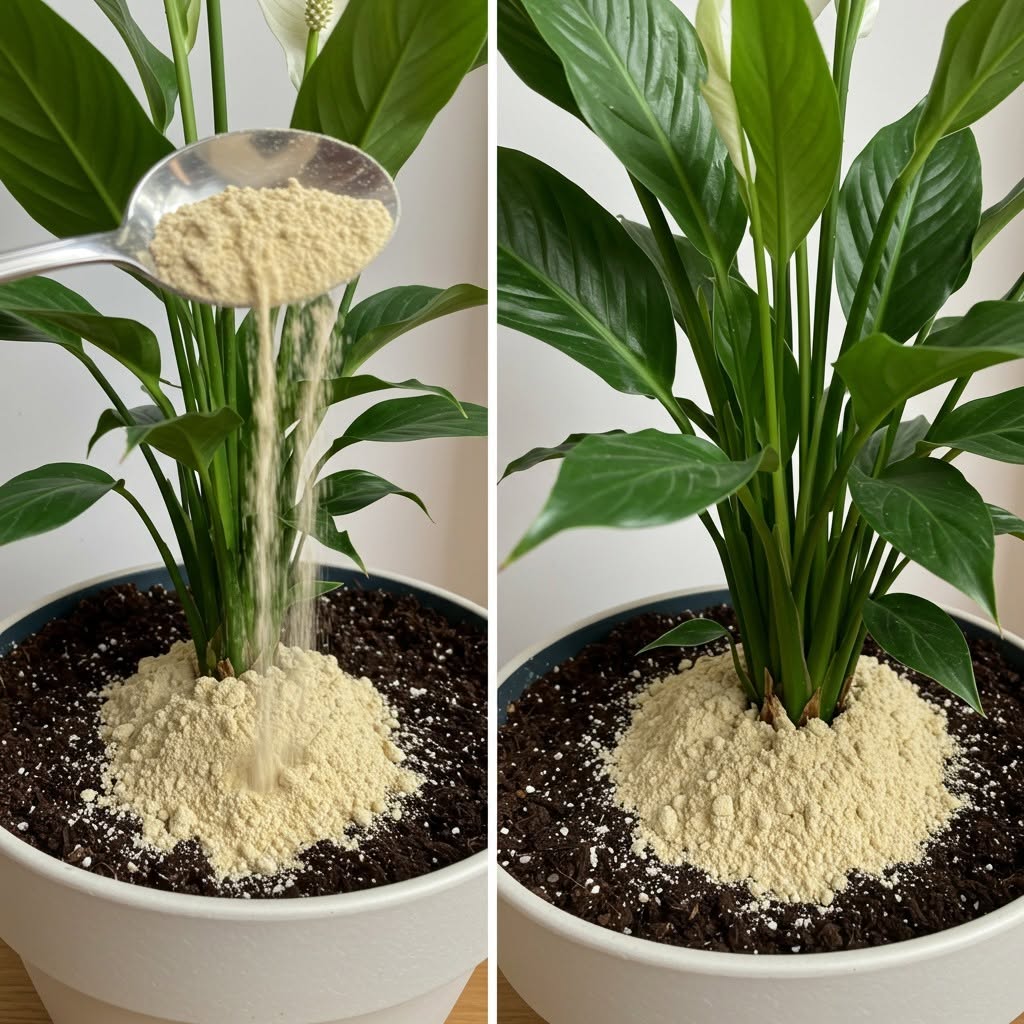
You may have seen viral articles claiming that a single “magic ingredient” can keep a Peace Lily flowering for up to ten years straight. While these claims often exaggerate reality, the good news is that proper care, nutrition, and growing conditions can significantly improve your plant’s health and flowering potential.
Let’s explore what really helps a Peace Lily thrive and produce beautiful blooms for years to come.
Understanding the Peace Lily
The Peace Lily, scientifically known as Peace Lily, is a tropical plant native to Central and South America. Despite its name, it is not a true lily.
Its stunning white blooms are actually modified leaves called spathes that surround a central flower spike.
When cared for properly, a Peace Lily can live for many years and bloom repeatedly throughout its lifetime.
Why Peace Lilies Stop Blooming
Many owners become concerned when their Peace Lily stops producing flowers.
Common reasons include:
- Insufficient light
- Poor soil nutrition
- Overwatering
- Underwatering
- Lack of humidity
- Aging blooms that naturally fade
Fortunately, most flowering issues can be corrected with a few adjustments.
The Importance of Light
One of the biggest factors affecting blooming is light.
Peace Lilies prefer:
- Bright, indirect sunlight
- Filtered natural light
- Well-lit indoor locations
They can survive in low-light environments, but flowering often decreases significantly.
For best results:
- Place the plant near a bright window.
- Avoid direct afternoon sunlight, which may scorch the leaves.
Proper Watering Techniques
Peace Lilies enjoy consistently moist soil but dislike sitting in water.
Watering Tips
- Water when the top inch of soil feels dry.
- Ensure proper drainage.
- Empty excess water from saucers.
Overwatering can cause:
- Root rot
- Yellow leaves
- Reduced flowering
Underwatering may lead to drooping leaves and plant stress.
[adinserter block=”4″]
Feeding Your Peace Lily
Healthy blooms require adequate nutrition.
A balanced houseplant fertilizer applied during the growing season can help support:
- Strong roots
- Healthy foliage
- Flower production
Many gardeners fertilize every 6 to 8 weeks during spring and summer.
Avoid excessive fertilizer, which can damage roots and reduce blooming.
The “Secret Ingredient” Myth
Many viral gardening articles claim that a single household ingredient can guarantee flowering for years.
Common examples include:
- Banana peels
- Coffee grounds
- Rice water
- Eggshells
While some of these materials contain nutrients, none can guarantee a decade of continuous blooms.
Plant health depends on a combination of factors rather than one miracle solution.
Humidity Matters
As tropical plants, Peace Lilies appreciate moderate humidity.
You can increase humidity by:
- Grouping plants together
- Using a humidity tray
- Running a humidifier
- Occasionally misting the leaves
Higher humidity often promotes healthier growth and more attractive foliage.
Repotting for Continued Growth
Peace Lilies eventually outgrow their containers.
Signs that repotting may be needed include:
- Roots growing from drainage holes
- Frequent wilting despite watering
- Slowed growth
Repotting every few years gives roots additional space and fresh soil nutrients.
Temperature Requirements
Peace Lilies thrive in temperatures between:
- 65°F and 85°F (18°C to 29°C)
Avoid exposing the plant to:
- Cold drafts
- Sudden temperature changes
- Air conditioning vents
- Heating vents
Stable temperatures help reduce stress and encourage flowering.
How Long Can a Peace Lily Live?
With proper care, a Peace Lily can live for many years.
Some indoor specimens have survived:
- 10 years
- 15 years
- Even longer
While flowering may vary from year to year, healthy plants can continue producing blooms throughout much of their lifespan.
Signs of a Healthy Peace Lily
A thriving plant typically shows:
- Deep green leaves
- Upright growth
- Strong root system
- Periodic flowering
- Minimal leaf damage
Regular observation allows you to catch potential problems before they become serious.
Common Mistakes to Avoid
Too Much Direct Sunlight
Can scorch leaves and stress the plant.
Overwatering
One of the most common causes of Peace Lily decline.
Ignoring Fertilization
Long-term nutrient deficiencies may reduce flowering.
Using Containers Without Drainage
Poor drainage increases the risk of root rot.
[adinserter block=”5″]