
[adinserter block=”3″]
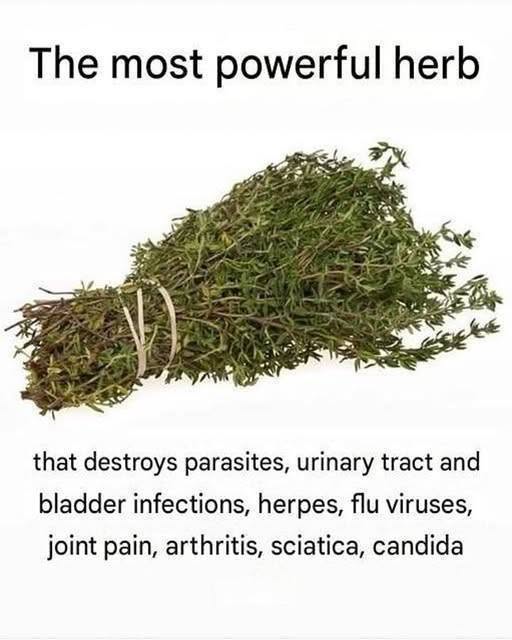
Every year, countless articles appear online claiming that a single herb can destroy parasites, eliminate infections, cleanse the body, prevent disease, and even replace conventional medicine. These headlines attract millions of readers because they offer a simple solution to complex health concerns.
But is there really one herb capable of doing all these things?
The answer is no. While many herbs contain beneficial compounds and have been used in traditional medicine for centuries, no single plant has been scientifically proven to cure every illness or provide miraculous health results.
Understanding what herbs can—and cannot—do is essential for making informed decisions about your health.
Why Miracle Herb Claims Are So Popular
Health-related articles often use dramatic language because it captures attention.
Common examples include:
- “Destroys all parasites”
- “Cleanses the body overnight”
- “Doctors are shocked by this herb”
- “The secret remedy the pharmaceutical industry doesn’t want you to know”
These claims spread quickly because they appeal to people’s desire for natural, affordable solutions.
However, health science is rarely that simple.
The Power of Medicinal Herbs
Although miracle claims are often exaggerated, many herbs do contain biologically active compounds that may support health in certain ways.
For centuries, cultures around the world have used herbs for:
- Digestive support
- Inflammation management
- Immune system support
- Stress relief
- Sleep improvement
Modern researchers continue studying these traditional remedies to understand their potential benefits.
Garlic: One of Nature’s Most Studied Plants
Garlic has been used medicinally for thousands of years.
Research suggests garlic contains compounds that may:
- Support heart health
- Help maintain healthy blood pressure
- Provide antioxidant effects
- Possess antimicrobial properties
Garlic remains one of the most extensively studied natural remedies in the world.
[adinserter block=”4″]
Turmeric and Curcumin
Turmeric contains an active compound called curcumin.
Studies suggest curcumin may:
- Support healthy inflammatory responses
- Act as an antioxidant
- Contribute to overall wellness
Because curcumin is not easily absorbed by the body, many supplements combine it with black pepper extract to improve absorption.
Ginger: More Than a Spice
Ginger is widely known for its potential benefits in relieving nausea and digestive discomfort.
Research has also explored its role in:
- Supporting digestion
- Reducing motion sickness
- Helping with mild inflammatory conditions
Its long history of use makes it one of the most respected medicinal plants worldwide.
Oregano and Herbal Antimicrobial Properties
Oregano contains compounds such as carvacrol and thymol, which have demonstrated antimicrobial activity in laboratory studies.
This has led to growing interest in oregano oil as a natural wellness product.
However, laboratory findings do not automatically mean the same effects occur in humans, and more research is needed.
Can Herbs Really Destroy Parasites?
Many articles claim certain herbs can completely eliminate parasites.
Traditional remedies sometimes include:
- Wormwood
- Clove
- Black walnut
- Garlic
While some of these plants contain compounds that affect parasites in laboratory settings, treating confirmed parasitic infections often requires proper medical diagnosis and prescription medication.
Relying solely on herbal remedies for serious infections can delay effective treatment.
The Importance of Scientific Evidence
One of the biggest problems with viral health articles is the lack of reliable evidence.
A trustworthy health claim should be supported by:
- Human clinical studies
- Peer-reviewed research
- Medical expert consensus
- Reproducible results
Personal testimonials and social media posts are not substitutes for scientific research.
Natural Does Not Always Mean Safe
Many people assume that because a remedy is natural, it must be harmless.
In reality, herbs can:
- Cause allergic reactions
- Interact with medications
- Affect blood pressure
- Influence blood clotting
- Cause digestive side effects
For example, high doses of certain herbs may create unexpected health risks, especially for people taking prescription medications.
Healthy Skepticism Matters
When reading health articles online, ask yourself:
Does the article promise impossible results?
Claims that one herb cures dozens of unrelated diseases should raise concerns.
Are scientific studies mentioned?
Reliable information usually references actual research.
Is fear being used as a marketing tool?
Many articles exaggerate health threats to encourage clicks and shares.
Does it encourage abandoning medical treatment?
This is a major warning sign.
A Better Approach to Natural Health
Rather than searching for a miracle herb, most experts recommend focusing on proven health habits:
- Eating a balanced diet
- Exercising regularly
- Managing stress
- Getting adequate sleep
- Staying hydrated
- Following medical advice when needed
Herbs can sometimes complement a healthy lifestyle, but they are rarely a substitute for comprehensive healthcare.
[adinserter block=”5″]