
[adinserter block=”3″]
Honey is one of the oldest natural sweeteners in the world, valued for its taste, medicinal properties, and long shelf life. But in recent years, concerns about fake or adulterated honey have increased, leaving many consumers wondering whether the honey they buy is actually pure.
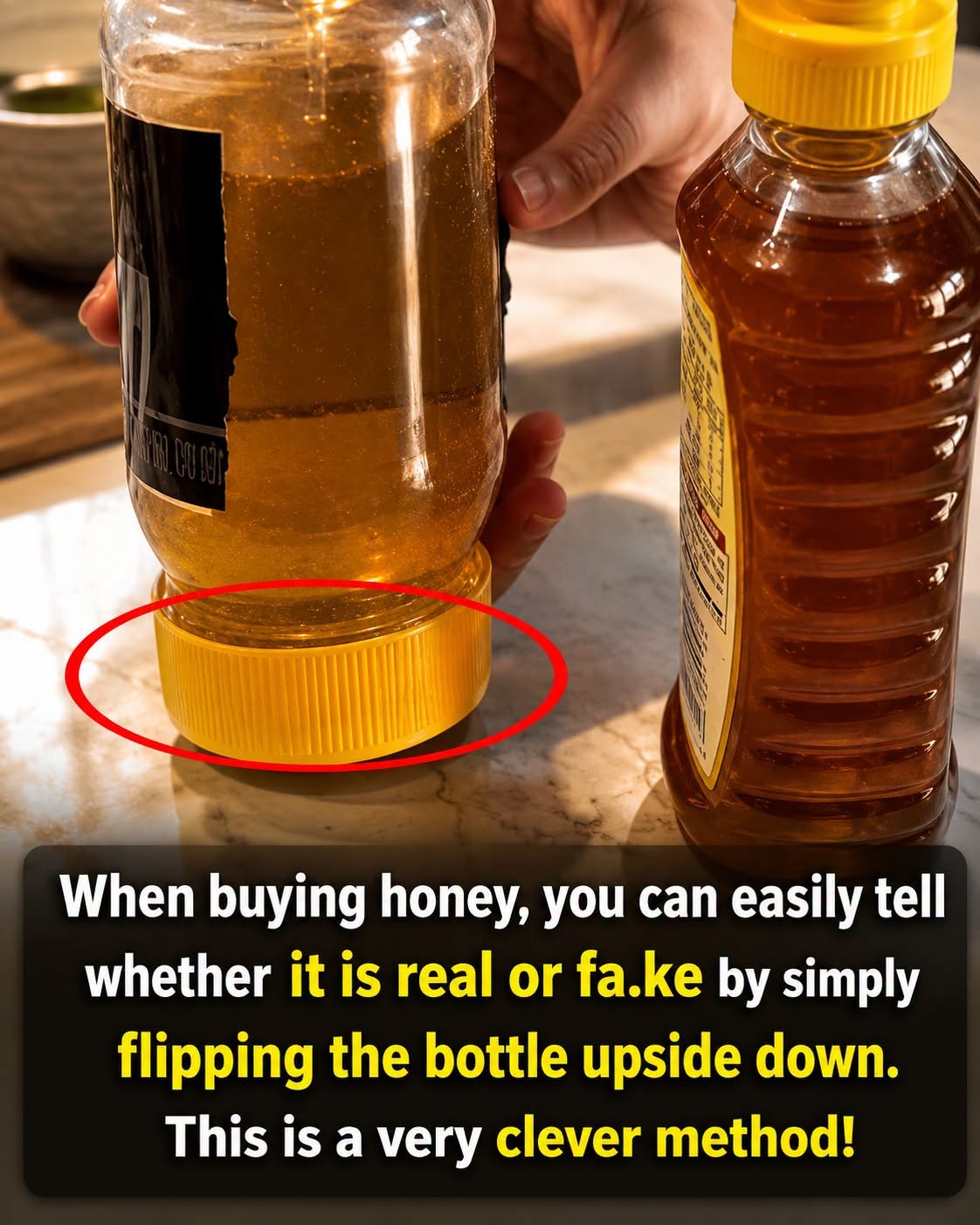
Some online posts claim there are simple “tricks” to instantly detect fake honey—but the truth is more complicated. Understanding how honey is produced, how it can be altered, and how to evaluate quality can help you make better choices.
What Is Real Honey?
Authentic honey is produced by bees from flower nectar. Bees collect nectar, transform it using enzymes, and store it in honeycombs where it naturally thickens over time.
Pure honey typically contains:
- Natural sugars (glucose and fructose)
- Water (in small amounts)
- Enzymes
- Trace vitamins and minerals
- Antioxidants
Its composition can vary depending on flowers, climate, and region.
What Is “Fake Honey”?
Fake or adulterated honey is usually honey that has been:
- Diluted with sugar syrup
- Mixed with corn syrup or glucose syrup
- Over-processed and stripped of natural components
- Artificially flavored to resemble honey
In some cases, products labeled as “honey” may contain only a small percentage of real bee honey.
Why Honey Adulteration Happens
The main reason is economic.
Honey production requires:
- Large numbers of bees
- Time-consuming harvesting
- Careful handling and storage
Because of this, pure honey is more expensive. Some producers cut costs by mixing it with cheaper sweeteners.
Common Myths About Testing Honey
Many viral posts suggest simple home tests such as:
- Water tests
- Flame tests
- Thumb tests
- Paper absorption tests
However, these methods are not reliable scientific proof of purity. They may give inconsistent results depending on honey type, moisture level, and storage conditions.
For example:
- Some pure honeys dissolve in water faster than others
- Crystallization does NOT mean honey is fake (it often means the opposite)
- Thickness alone is not a reliable indicator
Signs of High-Quality Honey
[adinserter block=”4″]
Instead of relying on myths, here are more practical indicators:
1. Ingredient Label
Check the label carefully. The only ingredient should be:
- “Honey”
Avoid products that list:
- Glucose syrup
- Fructose syrup
- Sugar syrup
- Artificial flavors
2. Crystallization Over Time
Natural honey often crystallizes after weeks or months.
This is a normal process and depends on:
- Sugar ratio
- Temperature
- Flower source
Crystallized honey is often a sign of minimal processing.
3. Aroma and Taste
Pure honey usually has:
- A floral or herbal aroma
- A complex, layered sweetness
- A slightly different taste depending on origin
Fake honey often tastes:
- One-dimensional
- Overly sweet
- Artificial or syrup-like
4. Texture and Flow
Real honey tends to:
- Flow slowly but consistently
- Stick slightly due to natural sugars
- Vary in thickness depending on temperature
However, texture alone is not enough to confirm authenticity.
How Experts Actually Test Honey
Food scientists and regulatory agencies use advanced methods such as:
- Isotope analysis
- Pollen analysis (melissopalynology)
- Chemical fingerprinting
- Moisture content testing
- Enzyme activity testing
These methods can accurately detect adulteration—but they are not available at home.
Health Differences: Real vs Fake Honey
Pure Honey May Offer:
- Antioxidants
- Antibacterial properties
- Natural enzymes
- Soothing effects for sore throat
Adulterated Honey:
- Mostly provides sugar calories
- Lacks natural beneficial compounds
- May have reduced nutritional value
Is All Commercial Honey Fake?
No. Not all store-bought honey is fake.
Many brands sell:
- Raw honey
- Organic honey
- Monofloral honey (e.g., eucalyptus, orange blossom)
However, quality varies depending on:
- Source
- Processing methods
- Storage conditions
- Regulation in the country
How to Buy Better Honey
To improve your chances of buying authentic honey:
- Choose reputable brands
- Prefer raw or minimally processed honey
- Buy local when possible
- Check certifications if available
- Avoid extremely cheap honey (often diluted)
[adinserter block=”5″]