
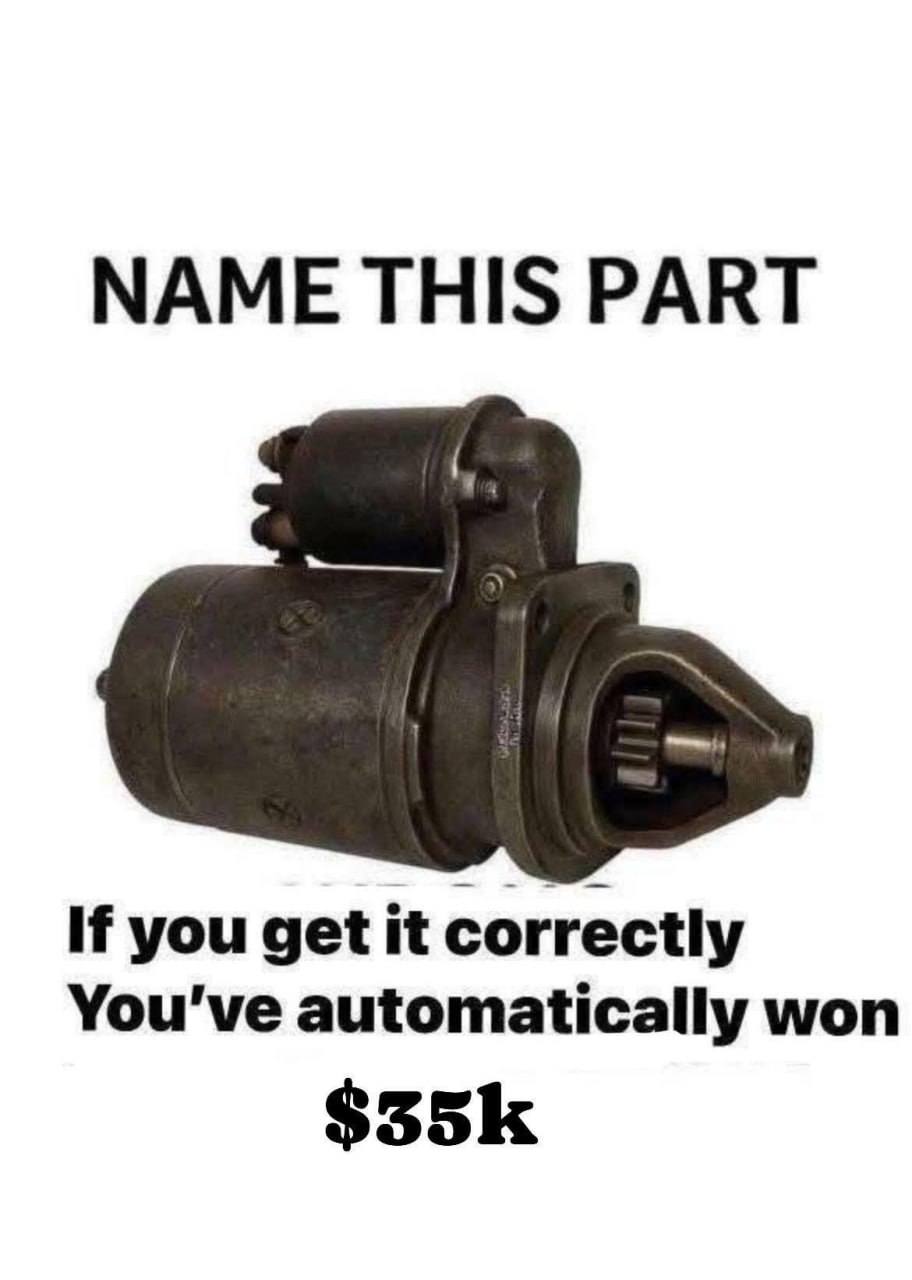
Most starter motors are built to last between 100,000 and 150,000 miles, or roughly 7 to 10 years under normal use. However, several factors can shorten their lifespan:
Frequently starting the engine multiple times in short trips
Exposure to extreme heat or cold
Corroded battery terminals causing the starter to work harder
Oil leaks soaking the starter motor
Holding the key in the start position too long
How Much Does It Cost to Replace a Starter Motor?
Starter motor replacement costs vary depending on your vehicle make and model:
Parts cost: $80 to $350 for most vehicles, with luxury or performance vehicles running higher
Labor cost: $150 to $300 depending on how accessible the starter is on your specific engine
Total cost: $230 to $650 on average
Some starters are easy to access and take under an hour to replace. Others are buried deep in the engine bay and require significant disassembly, driving up labor costs considerably.
Can You Start a Car With a Bad Starter Motor?
In some cases, yes — temporarily. A few tricks that sometimes work in a pinch:
Tap the starter with a hammer — sometimes a stuck solenoid or worn brush can be temporarily freed with a firm tap
Check and clean battery terminals — corroded connections can mimic a bad starter
Push start (manual transmission only) — if you have a manual gearbox, you can sometimes bump-start the car by pushing it to speed and popping the clutch
These are temporary measures only. If your starter is failing, it needs to be replaced.
Starter Motor vs. Alternator — What’s the Difference?
These two are often confused:
The starter motor starts your engine using power from the battery
The alternator recharges the battery and powers your electrical system while the engine is running
They work as a team — the starter gets the engine going, and the alternator keeps everything powered from that point on. A failure in either one will leave you stranded.
Final Thoughts
The starter motor is one of those parts most drivers never think about — until the morning they turn the key and nothing happens. Understanding what it is, how it works, and what warning signs to watch for can save you from an unexpected breakdown and a costly tow.
