
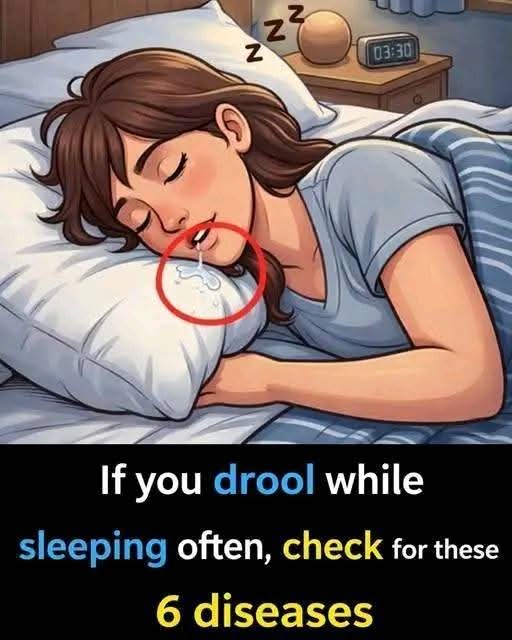
Drooling While Sleeping: Causes, Health Signs, and Simple Solutions
Drooling during sleep is a common experience that happens to many people. While it may seem embarrassing, it is often completely normal and harmless. However, frequent or excessive drooling can sometimes be a sign of an underlying issue that should not be ignored.
🧠 Why Do We Drool While Sleeping?
When you fall into a deep sleep, the muscles in your face and mouth relax. This can cause your mouth to open slightly, allowing saliva to escape — especially if you sleep on your side or stomach.
⚠️ Common Causes of Drooling During Sleep
🤧 1. Nasal Congestion
Blocked sinuses from colds or allergies can force you to breathe through your mouth, leading to drooling.
😮💨 2. Mouth Breathing
Sleeping with your mouth open increases saliva leakage.
🦷 3. Dental or Gum Problems
Issues such as infections or misaligned teeth may affect how your mouth stays closed during sleep.
😴 4. Sleep Disorders
Conditions like sleep apnea can cause irregular breathing patterns and increase drooling.
💊 5. Medications
Some medications may stimulate excess saliva production.
🧠 6. Neurological Conditions (Rare)
Certain disorders can affect muscle control and swallowing.
🚨 When Should You Be Concerned?
Occasional drooling is normal. However, you should pay attention if it happens frequently and is combined with:
Loud snoring
Difficulty breathing during sleep
Daytime fatigue
Sudden increase in saliva
In these cases, it’s best to consult a healthcare professional.
✅ Simple Tips to Reduce Drooling
Try sleeping on your back
Keep your nasal passages clear
Maintain good oral hygiene
Use a supportive pillow
Avoid extreme fatigue before sleep
