
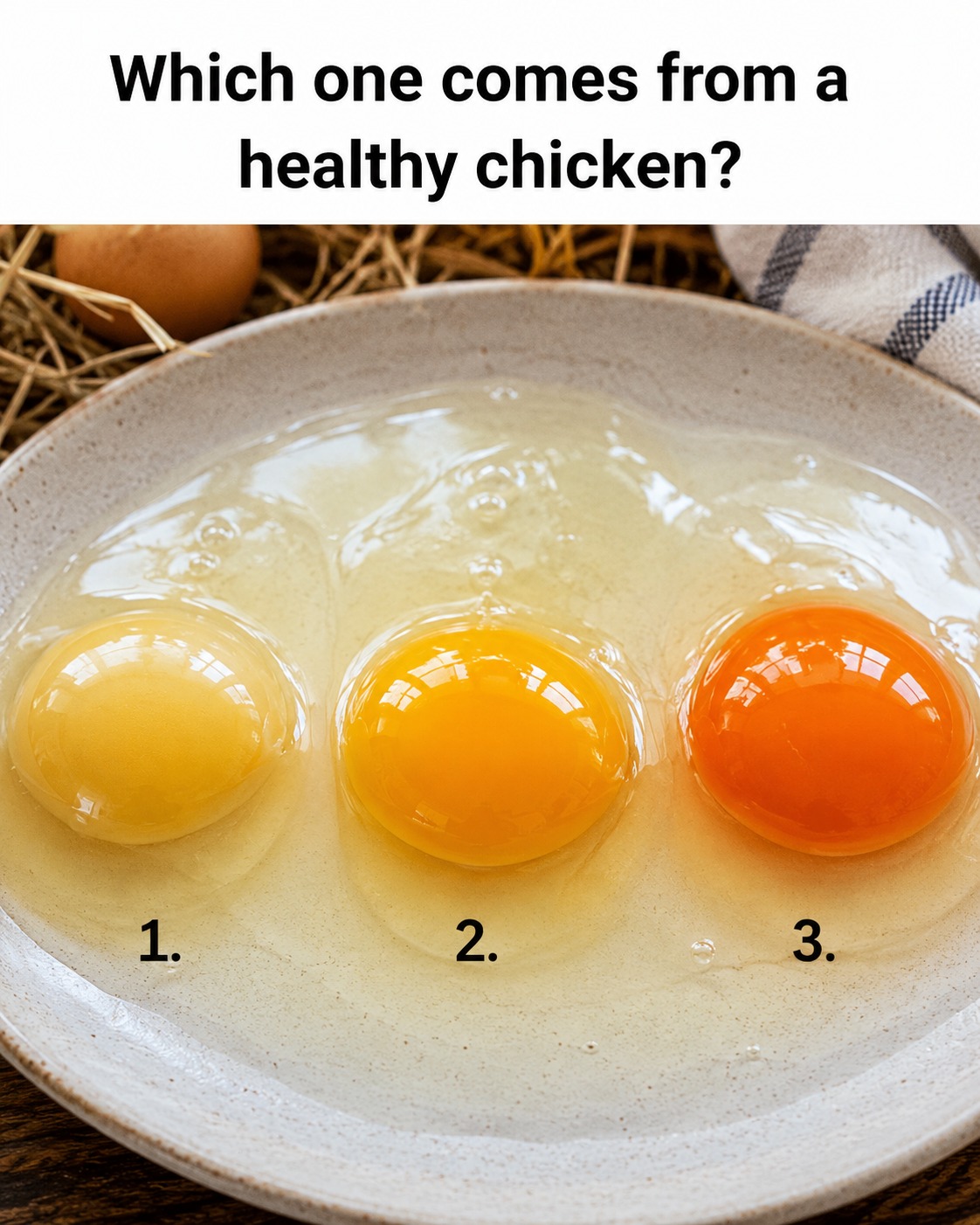
A vivid, deeply orange yolk is almost always the signature of a hen who had access to a rich, varied, carotenoid-packed diet. This typically means one or more of the following:
The hen had genuine outdoor access and spent time foraging on fresh grass, weeds, insects, and seeds — all naturally rich in carotenoids
The hen was fed a diet that included high-carotenoid ingredients like alfalfa, marigold meal, paprika, or leafy greens
The hen was raised in a genuine free-range or pasture-raised environment where natural behavior — scratching, pecking, foraging — was possible throughout the day
Pasture-raised hens that spend their days outside tend to produce the deepest orange yolks, particularly during spring and summer when fresh vegetation is most abundant. This is also why the yolks from eggs bought directly from small farms often vary in color from carton to carton and season to season — because the hens are eating real, changing, seasonal food rather than a controlled, standardized industrial feed. That variation is actually a sign of authenticity.
Beyond the carotenoid richness, eggs from hens with genuine outdoor access and more natural lifestyles have consistently been shown in research to contain higher levels of omega-3 fatty acids, vitamin D, vitamin E, and vitamin A compared to eggs from conventionally raised hens — though it is important to note that the nutritional differences, while real, are not enormous, and all eggs remain one of the most nutritious whole foods available regardless of yolk color.
The Important Caveat: When Orange Yolks Are Fake
Here is the part of the story that the food industry would rather you not know — and it is the reason why a vivid orange yolk is no longer quite the reliable signal it once was.
Because consumer research consistently shows that people associate darker, more orange yolks with higher quality and are willing to pay more for them, some large-scale egg producers have found a workaround: adding synthetic or semi-synthetic carotenoid pigments directly to industrial hen feed. These feed additives — which can include synthetic versions of lutein and zeaxanthin, as well as natural extracts from marigolds or paprika — produce deeply pigmented orange yolks in hens that are still housed in cages or crowded barns with no outdoor access whatsoever.
The result is an egg with a beautiful, vivid orange yolk that looks identical to a pasture-raised egg — but comes from a hen whose living conditions are indistinguishable from the most conventional factory farming operation.
This is a real and widespread practice in commercial egg production. In many countries, including across Europe and parts of Asia, producers openly use the DSM Yolk Color Fan — a standardized color chart — to deliberately calibrate the exact shade of orange they want their yolks to be, adjusting feed pigment additives accordingly to match consumer preferences rather than to reflect the actual diet or lifestyle of the hens.
This means that yolk color alone is no longer a completely reliable indicator of egg quality — because the color can be manufactured, just like a label.
So How Do You Know If Your Eggs Are Genuinely High Quality?
Given that vivid orange yolks can now be produced through artificial feed manipulation in hens with poor living conditions, yolk color needs to be read in context rather than trusted blindly. Here is how to make a genuinely informed choice:
Know your source. The most reliable way to get genuinely high-quality eggs is to buy from a local farmer whose practices you can verify — either directly, through a farmers market, or through a trusted farm-direct delivery service. Ask how the hens are housed, how much outdoor time they have, and what they eat. A genuine small farmer will welcome these questions.
Look for genuine pasture-raised certification. In the United States, the Certified Humane Pasture Raised label requires a minimum of 108 square feet of outdoor space per hen — a meaningful standard that most industrial operations cannot meet. This certification is more meaningful than simply the word “free-range” on a carton, which has much looser legal requirements.
Expect seasonal variation. Real pastured eggs vary in color across seasons — deeper and more orange in spring and summer when vegetation is abundant, slightly paler in winter when hens have less access to fresh outdoor forage. Perfectly consistent orange yolks year-round from a mass-market brand are more likely to reflect feed additives than genuine outdoor living.
Taste is a real indicator. Eggs from genuinely healthy hens with a natural, varied diet taste different — richer, more complex, with a creamier yolk texture. This is subjective, but most people who have tasted truly pastured eggs notice the difference immediately. The yolk stands taller when cracked, the white is firmer, and the flavor has a depth that standard supermarket eggs simply do not replicate.
Price reflects reality. Genuine pasture-raised eggs from small farms with real outdoor access cost more — because producing them costs more. An egg carton priced the same as conventional eggs but claiming exceptional quality should be approached with healthy skepticism.
What Egg Yolks Actually Contain — The Nutritional Truth
Regardless of color, egg yolks are among the most nutritionally dense foods available in the human diet — and they have been unfairly maligned for decades primarily because of their cholesterol content, a fear that modern nutritional science has substantially revised.
A single egg yolk contains:
Fat-soluble vitamins — vitamins A, D, E, and K, which are present in virtually zero amounts in the egg white.
These vitamins are essential for immune function, bone health, vision, skin health, and blood clotting
Choline — one of the most important yet underconsumed nutrients in the modern diet, essential for brain development, liver function, nerve signaling, and memory. Egg yolks are one of the richest dietary sources of choline available
Omega-3 fatty acids — particularly in eggs from hens with outdoor access and varied diets, including DHA, which is critical for brain and eye development
Lutein and zeaxanthin — the same carotenoids responsible for yolk color are also the most important nutrients for long-term eye health, helping to protect against age-related macular degeneration and cataracts
B vitamins — including B12, riboflavin, folate, and pantothenic acid, all essential for energy metabolism and neurological function
Minerals — iron, calcium, phosphorus, zinc, and selenium are all present in meaningful amounts in the yolk
High-quality complete protein — the yolk contains complete protein with all essential amino acids, complementing the protein profile of the egg white
The cholesterol in egg yolks — which drove decades of dietary advice to avoid whole eggs — is now understood by most nutritional scientists to have far less impact on blood cholesterol levels than previously believed for most healthy people. Current evidence suggests that dietary cholesterol from whole foods like eggs has a minimal effect on cardiovascular risk in the context of an overall healthy diet for the majority of adults.
Red or Pink Tints in the Yolk — When to Pay Attention
Occasionally, a yolk may have a reddish or pinkish tint. In most cases, this is simply the result of a very high carotenoid content — particularly from red carotenoid pigments like canthaxanthin, which is found in some insects and certain plant materials that foraging hens consume.
However, a true blood spot — a small red dot visible in the yolk or the white — is caused by a ruptured blood vessel during the egg formation process. Blood spots are entirely harmless and do not affect the safety or nutritional value of the egg, but they are a sign that the egg was not candled (inspected by shining light through it to detect imperfections) before packaging — which is more common with eggs from small farms than large commercial operations.
A greenish or grayish ring around a hard-boiled yolk is not a sign of poor quality — it is a chemical reaction between sulfur in the egg white and iron in the yolk that occurs when eggs are overcooked or not cooled quickly after cooking. It is purely aesthetic and affects neither flavor nor nutrition significantly.
The Bottom Line
That moment of pause when you crack an egg and see an unusually vivid orange yolk is your intuition responding to genuine visual information. The color of an egg yolk is a real signal — it reflects the diet of the hen, and by extension her living conditions, health, and the agricultural system that produced her egg.
A pale yellow yolk suggests a hen fed a low-carotenoid industrial diet. A genuine deep orange yolk from a verified pastured source suggests a hen with outdoor access, natural food, and a lifestyle more consistent with how chickens are meant to live. And a vivid orange yolk from an unmarked supermarket carton at a suspiciously low price may simply reflect feed additives designed to imitate quality rather than deliver it.
