
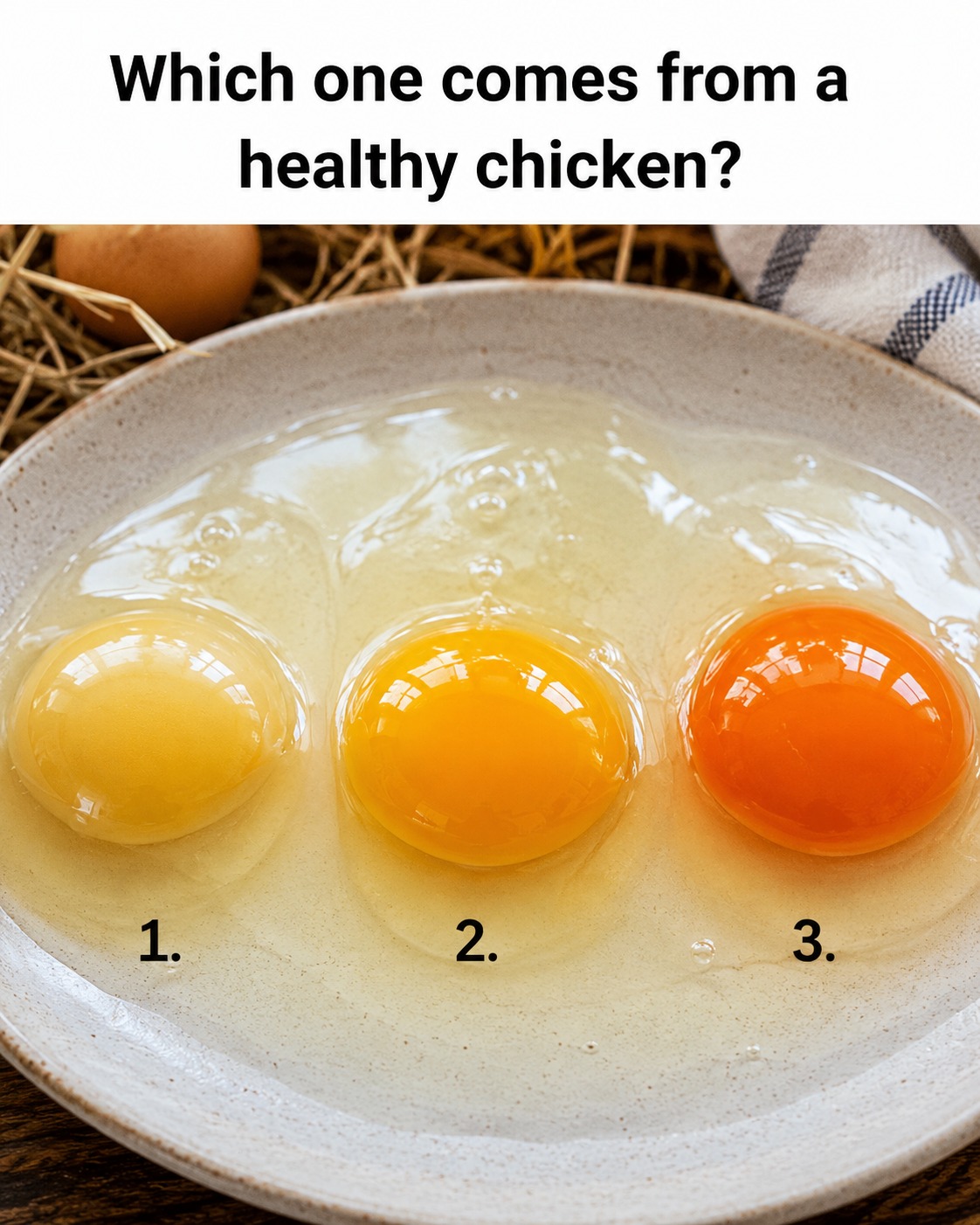
You crack an egg, and something makes you pause. The yolk is a deep, vivid, almost glowing orange — nothing like the pale yellow you are used to. Is it better? Is it safer? Is it even normal? Here is the truth that most people never learn.
Most of us crack eggs every single day without giving the yolk a second thought. It is yellow. It is round. It goes in the pan. But the moment you crack open an egg with a yolk so deeply orange it looks almost like a sunset, something instinctive makes you stop and stare.
That moment of pause is your curiosity working correctly — because the color of an egg yolk is actually one of the most revealing things you can observe about the egg you are about to eat, the hen who laid it, and the food system that produced it.
Here is everything the color of your egg yolk is quietly trying to tell you.
The Spectrum of Yolk Colors — What Is Normal?
First, it is important to know that egg yolks naturally come in a wide range of colors, and all of them can be completely normal depending on context. The spectrum runs from a very pale, almost creamy yellow all the way through golden yellow, deep amber, vivid orange, and in some cases a reddish-orange that looks almost like a flame.
None of these colors indicates that an egg is spoiled, unsafe, or abnormal. The color of a yolk has absolutely nothing to do with whether the egg is fresh or old — a pale yellow yolk can be perfectly fresh, and a vivid orange yolk can be days old. Freshness is determined by other factors entirely — the firmness of the white, the height of the yolk when cracked, the smell — not the color.
What yolk color does reveal — and this is where things get genuinely interesting — is the diet and lifestyle of the hen who produced it.
The Science Behind Yolk Color: Carotenoids
The color of an egg yolk is determined almost entirely by a family of natural pigments called carotenoids — specifically two members of that family called lutein and zeaxanthin, which are also the same compounds responsible for the yellow and orange colors of corn, marigold petals, leafy green vegetables, and many other plants.
Hens cannot produce carotenoids in their own bodies — they can only obtain them through their diet. When a hen eats foods rich in carotenoids — fresh grass, insects, leafy greens, marigold petals, colorful vegetables, a wide variety of natural forage — those carotenoids are absorbed from her digestive system and deposited directly into the yolks of the eggs she produces. The more carotenoids she consumes, the deeper and more vivid the orange color of the yolk.
When a hen eats a diet low in carotenoids — primarily wheat, plain soy, or white corn — she produces very little pigment for the yolk, and the result is a pale, washed-out yellow. The egg is not necessarily of poor quality, but the pale color reflects a less diverse and less natural diet.
This is why yolk color has long been used as a rough indicator of the quality of a hen’s diet and living conditions — and by extension, a rough proxy for the quality of the egg itself.
What a Pale Yellow Yolk Is Telling You
A pale or light yellow yolk typically indicates that the hen who laid the egg was fed a diet consisting primarily of wheat or white corn — both of which are very low in carotenoids. This is the diet most commonly fed to hens in conventional, intensive egg production facilities, where the priority is consistent, high-volume egg production at the lowest possible cost.
A pale yolk does not automatically mean the egg is unhealthy or unsafe. The fundamental nutritional profile of an egg — its protein content, its fat composition, its B vitamins, its choline — is present regardless of yolk color. What the pale color suggests is that the hen had limited or no access to the kind of varied, natural, carotenoid-rich diet that free-ranging birds would naturally seek out.
Pale yolks are the most common type found in standard supermarket eggs in many countries, particularly those produced by hens in battery cages or large enclosed barn systems with no outdoor access.
What a Deep Orange Yolk Is Telling You
