
🏠 1. Storage Tanks (Biggest Issue)
In some homes (especially older ones):
•Water is stored in tanks (often in the roof)
•These tanks can collect:
•Dust
•Bacteria
•Even pests
👉 This makes the water less safe to drink
⸻
🔩 2. Old or Dirty Pipes
Bathroom pipes may:
•Be older
•Contain lead
•Have buildup inside
👉 This can contaminate the water
⸻
⏳ 3. Stagnant Water
Bathroom taps are often used less than kitchen taps.
👉 Water can sit in pipes longer, leading to:
•Bacteria growth
•Metal leaching
⸻
🌡️ 4. Hot Water Is NOT Safe to Drink
•Stored in heaters
•Can contain more contaminants
👉 Always avoid drinking hot tap water
✅ When It CAN Be Safe
Bathroom tap water is generally safe if:
•✔ Your home uses direct mains supply (no tank)
•✔ Pipes are modern and lead-free
•✔ You’re using cold water
👉 In modern homes, it’s often safe—but still not ideal.
⸻
🚫 When You Should Avoid It
Avoid drinking bathroom tap water if:
•❌ You live in an old house
•❌ Water comes from a storage tank
•❌ You notice:
•Strange taste
•Smell
•Discoloration
👉 In these cases, choose another source.
⸻
🧠 What Experts Recommend
👉 Even when it’s technically safe:
✔ Kitchen tap is preferred
✔ Water is fresher and flows more often
👉 That’s why most people drink from the kitchen.
⸻
🧼 Bonus: Why People Still Use It for Brushing Teeth
You might wonder:
👉 “If it’s risky, why brush teeth with it?”
•Small amounts are usually harmless
•You don’t swallow much
👉 Drinking large amounts is different.
⸻
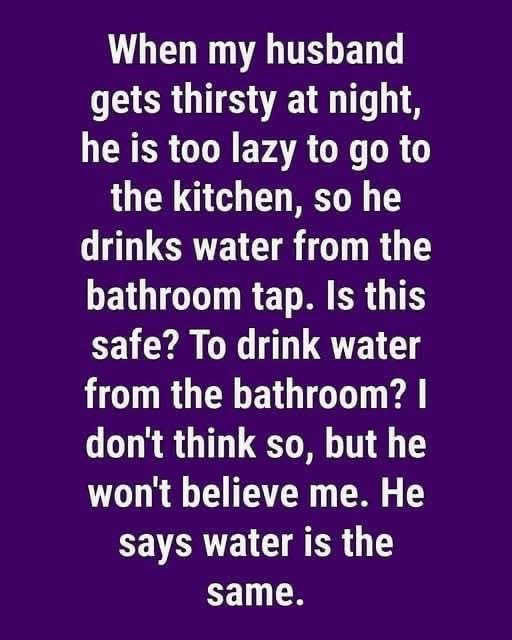
⚠️ The Truth (No Clickbait)
👉 Viral posts say:
•“Bathroom water is dangerous” ❌
•“Never drink it” ❌
👉 Reality:
✔ Often safe
✔ But less reliable than kitchen tap
