
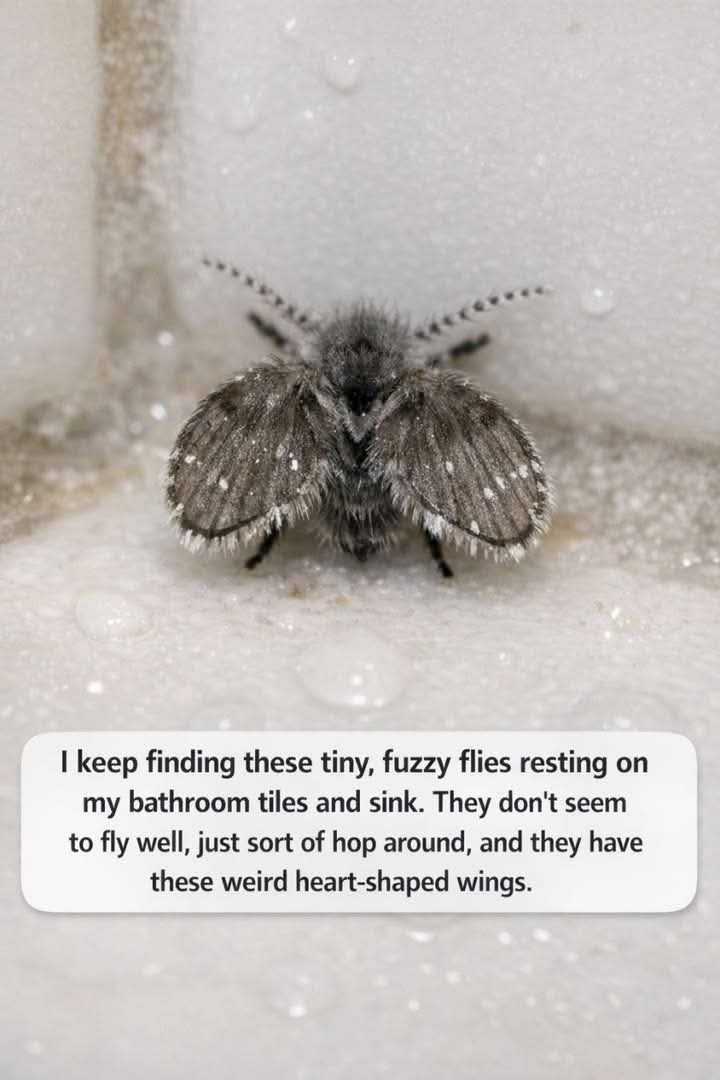
I keep finding these tiny, fuzzy flies resting on my bathroom tiles and sink. They don’t seem to fly well, just sort of hop around, and they have these weird heart‑shaped wings.
Have you ever noticed tiny, fuzzy flies resting on your bathroom tiles or sink, seemingly content to hop around rather than take to the air? These peculiar little creatures, with their distinctive heart‑shaped wings, might seem like an oddity or an annoyance, but they are actually quite common in many households. Understanding the nature of these flies and why they choose your bathroom as their preferred habitat is crucial in managing their presence. This article explains what they are, why they are attracted to your bathroom, and how to manage and prevent them.
1. What Those Tiny, Fuzzy Bathroom Flies Actually Are
The tiny, fuzzy flies you are finding in your bathroom are most likely drain flies, also known as sink flies or moth flies. They belong to the family Psychodidae and are often identified by their small size (1–5 mm) and distinctive heart‑shaped wings covered in fine hair, giving them a moth‑like appearance.
2. How To Tell Drain Flies From Other Bugs
Drain flies can be mistaken for fruit flies, fungus gnats, or mosquitoes, but there are differences:
Fruit flies are slightly larger and brownish with reddish eyes.
Fungus gnats are slender, mosquito‑like, and found near houseplants.
Mosquitoes are larger, with long legs and a more agile flight.
Drain flies are fuzzier and often make short hops or weak flights rather than buzzing around.
3. Why Drain Flies Love Your Bathroom
These flies thrive in damp, humid environments where organic debris accumulates. In bathrooms, moisture from sinks, showers, and baths mixes with soap scum, skin cells, and hair to form a sticky film inside drains — a perfect place for drain flies to breed and feed.
4. The Life Cycle of Drain Flies
A female can lay up to 200 eggs in moist locations rich in organic material, such as inside drains. Eggs hatch in about 48 hours, and larvae feed on the buildup for 8–24 days before pupating; adults emerge shortly after and live roughly 20 days.
5. Where They’re Breeding
Drain flies don’t just breed in sink drains. Other hidden places include:
Floor drains
Overflow holes
Condensation pans under refrigerators
6. How to Find the Source
One tip is using a tape test: place clear tape over a suspected drain overnight. If flies stick to it in the morning, you’ve found a breeding source.
7. Cleaning and Prevention
To make your bathroom less inviting to drain flies:
Clean drains weekly using a brush and ingredients like baking soda and vinegar.
Reduce humidity by wiping surfaces and improving ventilation.
Regularly clean grout and tiles where moisture hangs out.
8. DIY Treatments (and What Doesn’t Work)
Effective home treatments include:
Baking soda + vinegar followed by hot water to break down organic buildup
Enzyme cleaners that digest slime
Avoid harsh chemicals like bleach or ammonia — these can harm pipes and usually don’t reach the deep buildup where larvae live.
9. When to Get Extra Help
If DIY methods don’t solve the problem, professional pest control can assess stubborn infestations and use advanced techniques.
10. How Long It Takes
With consistent treatment, you can often reduce adult flies within a week, but full elimination may take several weeks, especially if you miss a breeding site.
11. Preventing Future Problems
Keep all drains clean, use covers to block debris from entering pipes, fix leaks, and maintain good bathroom ventilation to make the environment hostile to drain flies returning.
