
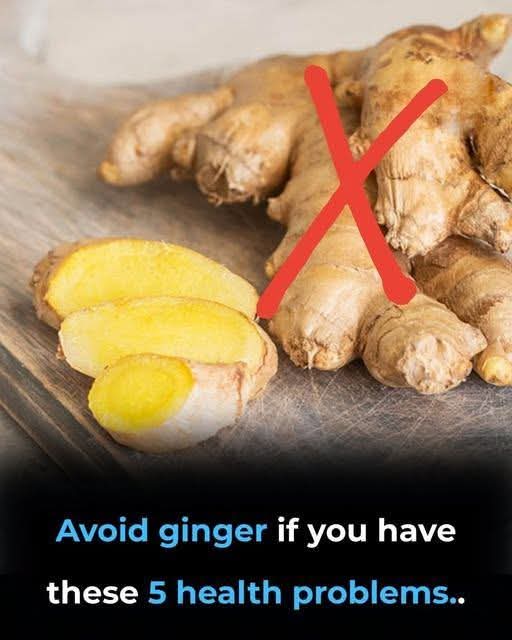
What Ginger Is
Ginger is a root used in cooking and traditional remedies for thousands of years. People use it in food, teas, or supplements because it contains compounds that can benefit the body.
✅ Potential Benefits of Ginger
Ginger may:
Reduce nausea and upset stomach (for motion sickness, after meals, or mild digestive discomfort)
Support digestion and relieve bloating
Act as a natural anti-inflammatory for minor soreness or swelling
Ease mild muscle pain
Improve circulation and relieve minor cold symptoms
⚠️ When Ginger Might Not Be Good
Even though ginger is natural, it can cause problems in certain situations or in high amounts:
1. Stomach Irritation or Heartburn
Large amounts can relax the stomach valve and worsen acid reflux
May increase bloating or cause mild digestive discomfort
2. Diarrhea or Digestive Upset
High doses may speed up digestion, leading to loose stools or diarrhea
3. Mouth or Throat Irritation
Ginger’s spiciness can cause a burning sensation in the mouth or throat if eaten in excess
4. Bleeding Risk
Ginger has a mild blood-thinning effect, which can increase bleeding risk for people on blood-thinning medications
5. Interactions With Medicines
Blood sugar medicines: Ginger may lower blood sugar too much if combined with diabetes medication
Blood pressure medicines: It can reduce blood pressure further
Blood thinners: Can increase the risk of bleeding
6. Pregnancy Caution
Small amounts used in food are usually safe
Very high doses, especially in early pregnancy, should be avoided unless approved by a doctor
📏 Safe Amounts
Small amounts in food or tea are generally safe for most people
Large doses (around 4 grams per day or more) may increase side effects like heartburn, diarrhea, or irritation
