
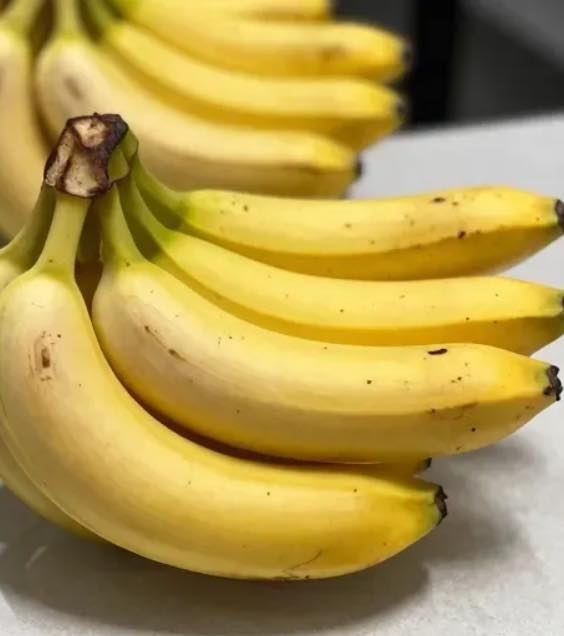
Bananas are eaten by millions of people every single day — yet somehow, no fruit has been more unfairly attacked, feared, or misunderstood. It is time to set the record straight.
From diet culture horror stories to internet lists of “foods you should never eat,” bananas have taken more criticism than almost any other fruit. People avoid them over fears of too much sugar, too many carbs, weight gain, and blood sugar spikes. But how much of that is actually true — and how much is just myth?
Here is a thorough, science-backed look at the most common banana myths and the real truth behind each one.
The Banana’s Reputation Problem
Bananas have been unfairly criticized for decades. The fear started gaining momentum during the low-carb diet craze of the 1990s, was amplified by the paleo movement, and was cemented further by the rise of the ketogenic diet in the 2010s. Each of these dietary trends had one thing in common — they demonized carbohydrates, and bananas, being a naturally sweet fruit, became an easy target.
The irony is that bananas may actually deserve the title of the world’s original superfood. As far back as the early 20th century, the American Medical Association endorsed bananas as a health food for children. And yet today, millions of people feel guilty eating one.
It is time to peel back the myths one by one.
Myth 1: Bananas Are Too High in Sugar and Will Make You Fat
This is probably the most widespread banana myth of all — and it is largely unfounded.
Yes, a medium banana contains around 14 grams of natural sugar. But context matters enormously. A medium banana also contains only around 100 to 105 calories, less than half a gram of fat, 3 grams of dietary fiber, potassium, vitamin C, vitamin B6, and more than a gram of protein. This is not the nutritional profile of a food that causes weight gain.
The fiber in bananas slows digestion and the absorption of sugar into the bloodstream, which means the sugar in a banana behaves very differently in your body than the sugar in a candy bar or a can of soda. The fiber also keeps you feeling full for longer, which actually helps with appetite control and weight management rather than working against it.
It is true that eating excess sugar — from any source — can be stored as fat. But when you are eating a 100-calorie banana as part of a balanced diet and not massively overeating, weight gain from banana consumption is simply not a realistic concern for the vast majority of people.
Myth 2: Diabetics Cannot Eat Bananas
This myth causes unnecessary distress for people managing diabetes, and the reality is far more nuanced.
Bananas do contain carbohydrates that raise blood sugar, which is why people with diabetes need to be mindful of portion size and timing. However, that does not mean bananas are off the table. People who have been diagnosed with diabetes or told their blood sugar is elevated can still enjoy bananas — particularly less ripe, greener bananas, which contain more resistant starch and have a lower glycemic impact than fully ripe yellow bananas.
One very effective strategy for people with diabetes is to pair a banana with a source of protein and healthy fat — such as nut butter, Greek yogurt, or a handful of nuts. This combination significantly slows the digestion of the banana’s carbohydrates and blunts any blood sugar spike, making it a much safer and more balanced snack.
Myth 3: Bananas Are High on the Glycemic Index
The glycemic index (GI) measures how quickly a food raises blood sugar. Bananas are frequently listed as a high-GI food — but this claim requires important context.
The GI of a banana depends significantly on its ripeness. Green, unripe bananas have a much lower glycemic impact because they are high in resistant starch — a type of carbohydrate that the body does not digest quickly and that actually feeds beneficial gut bacteria instead. As a banana ripens and turns yellow, the resistant starch converts into simpler sugars, raising the GI somewhat. A fully ripe, spotted brown banana has the highest sugar content and GI of the three stages.
However, even ripe bananas fall into the low-to-medium GI range when consumed as part of a mixed meal or snack alongside protein and fat — not the dangerously high-GI food they are often portrayed as. The fiber content naturally moderates the blood sugar response.
Myth 4: All Bananas Are Nutritionally the Same
READ MORE
