
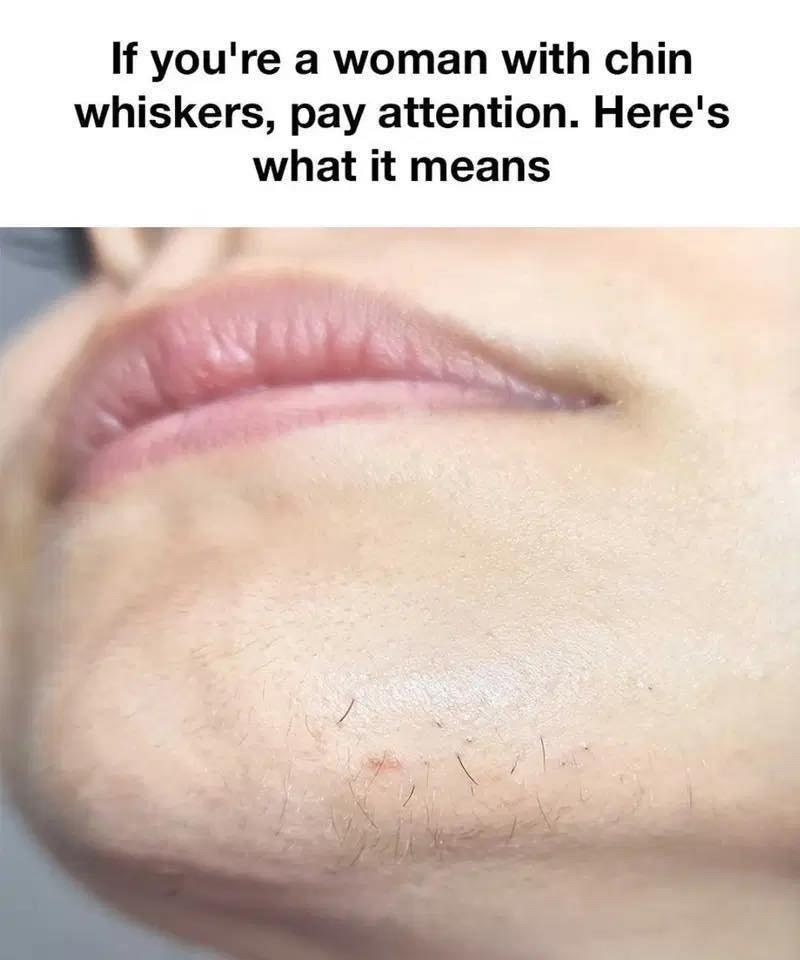
Chin whiskers in women are far more common than most people realize, yet they remain a topic surrounded by embarrassment, confusion, and misinformation. Many women notice a few stray hairs on their chin at some point in their lives, while others experience thicker, darker, or more persistent growth. Although facial hair on women is often considered a cosmetic issue, it can also be a reflection of deeper biological processes taking place in the body.
Understanding why chin whiskers appear, what they may indicate, and how to manage them safely is essential—not only for appearance but also for confidence, emotional well-being, and overall health. This comprehensive guide explores the topic in depth, helping women feel informed, empowered, and reassured.
Understanding Chin Whiskers in Women
Chin whiskers refer to hair growth that appears on the chin or jawline in women. These hairs can vary widely in texture, thickness, and color. Some are fine and light, barely noticeable, while others are coarse and dark, resembling male facial hair.
It’s important to understand that having chin hair does not make a woman abnormal. Hair growth patterns differ from person to person, and facial hair is influenced by a combination of genetics, hormones, and age.
Many women feel isolated or embarrassed by chin whiskers, but the truth is that millions experience the same thing—often silently.
Why Do Women Get Chin Whiskers?
The appearance of chin whiskers is usually linked to hormonal activity, but it can also be influenced by genetic and medical factors. Below are the most common causes.
Hormonal Changes: The Primary Factor
Hormones play a central role in hair growth. Women naturally produce small amounts of androgens (male hormones such as testosterone). When these hormone levels increase or when the body becomes more sensitive to them, facial hair growth may become more noticeable.
Key hormonal stages include:
1. Puberty
During puberty, hormone levels fluctuate significantly. Some women begin to notice facial hair growth during this time.
2. Menstrual Cycle Changes
Temporary hormone imbalances during the menstrual cycle can stimulate hair follicles, especially around the chin.
3. Pregnancy
Hormonal surges during pregnancy can cause new hair growth or darken existing hairs.
4. Menopause
As estrogen levels decline during menopause, the balance between estrogen and testosterone shifts, often leading to increased facial hair.
Polycystic Ovary Syndrome (PCOS)
One of the most well-known medical conditions associated with chin whiskers is Polycystic Ovary Syndrome (PCOS).
Women with PCOS may experience:
Increased androgen levels
Irregular menstrual cycles
Acne
Weight gain
Excess facial or body hair (hirsutism)
Not every woman with chin whiskers has PCOS, but if hair growth is sudden, severe, or accompanied by other symptoms, medical evaluation is recommended.
Genetics: The Family Factor
If women in your family—such as your mother, grandmother, or sisters—have chin hair, there’s a higher chance you may experience it as well. Genetics strongly influence:
Hair follicle sensitivity
Hair thickness
Growth patterns
Ethnic background also plays a role. Women from Mediterranean, Middle Eastern, South Asian, or Latin backgrounds may naturally have more visible facial hair.
Aging and Natural Changes
As women age, hair growth patterns shift. While scalp hair may thin, facial hair—especially on the chin—can become coarser or darker. This is a natural part of aging and does not necessarily indicate a health issue.
Texture and Color Differences
Chin whiskers can vary widely:
Fine and light (vellus hair)
Coarse and dark (terminal hair)
Over time, fine hairs can transform into thicker hairs due to hormonal influence or repeated removal methods.
