
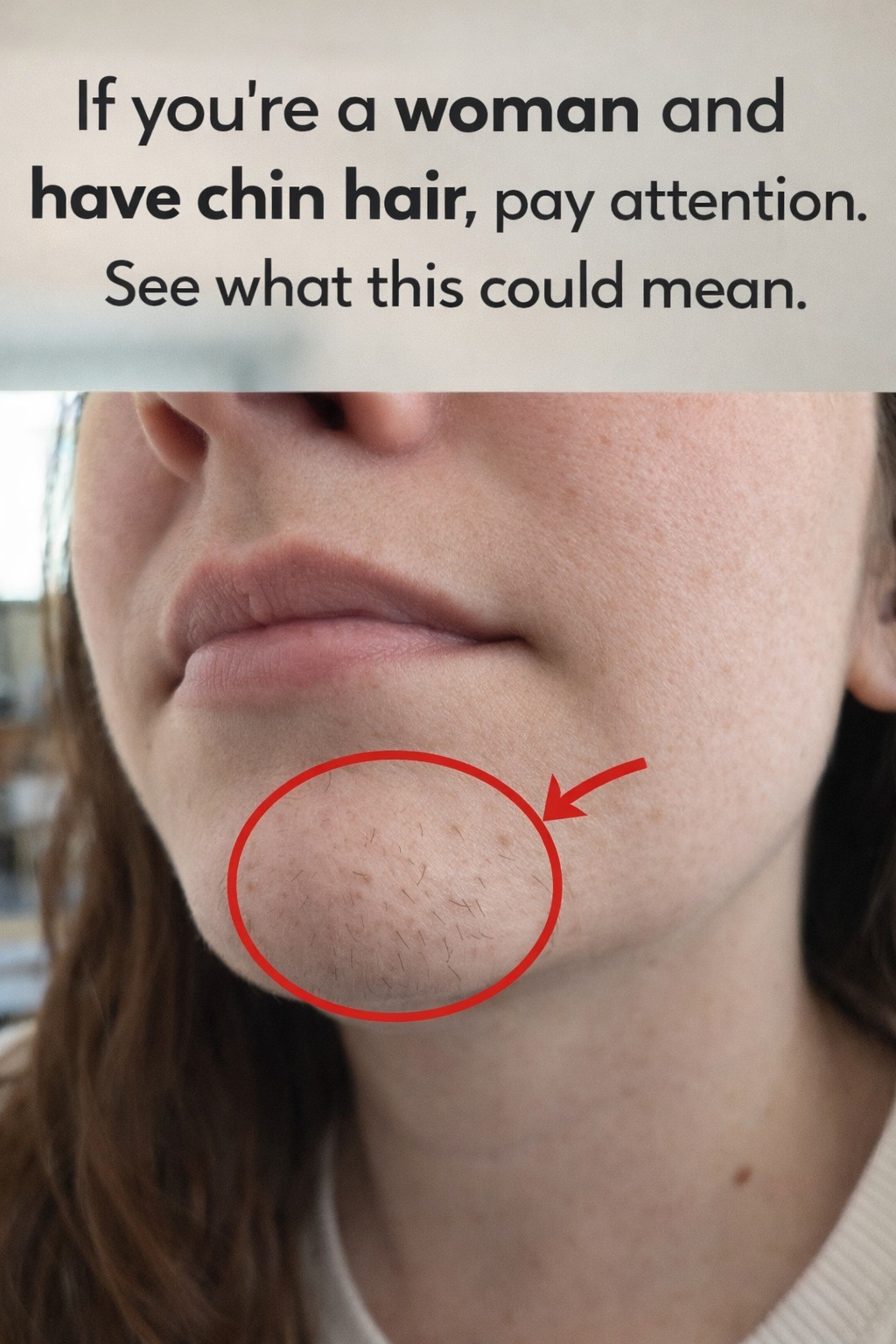
If you’ve noticed a stray hair — or several — growing on your chin, you’re not alone. But what is your body actually trying to tell you?
Chin hair in women is far more common than most people think. While it can feel embarrassing or confusing, it is often completely normal. However, in some cases, those stubborn hairs can be a signal from your body that something deeper is going on hormonally or medically. Understanding the difference is key to taking care of your health.
Here’s everything you need to know about what causes chin hair in women — and when it’s time to pay closer attention.
What Exactly Is Chin Hair in Women?
Not all facial hair is the same. Every woman has fine, soft hair on her face known as vellus hair — what most people call “peach fuzz.” This is completely normal. The concern arises when those fine hairs transform into thicker, darker, coarser strands — a condition known medically as hirsutism.
Hirsutism refers to excess hair growth in women in areas where men typically grow hair, including the chin, upper lip, chest, and back. It is estimated that between 5 and 10 percent of women of reproductive age experience this kind of male-pattern hair growth. The root cause is almost always tied to hormones — specifically androgens.
6 Main Causes of Chin Hair in Women
1. Hormonal Imbalance — The Most Common Cause
Your hormones control more than you realize — including where and how your hair grows. When androgen levels rise relative to estrogen, certain hair follicles on the chin and jaw become activated, producing thicker and more visible hair.
All women produce androgens like testosterone naturally. It plays an important role in bone density, muscle development, and puberty. But when those levels tip out of balance — even slightly — the result can be a few unexpected hairs showing up where you least want them.
This hormonal shift can happen gradually and subtly. In most cases, it is not dramatic enough to cause major changes in appearance, but it is enough to produce those frustrating stray hairs that keep coming back.
2. Polycystic Ovary Syndrome (PCOS)
One of the most common medical conditions linked to chin hair in women is PCOS — polycystic ovary syndrome. PCOS has a profound impact on reproductive health and hormone levels, and chin or facial hair is one of its most recognizable symptoms.
Other signs of PCOS include irregular periods, difficulty losing weight, acne, and trouble conceiving. If your chin hair appeared alongside any of these symptoms, it is worth speaking to your doctor. A simple blood test can check your hormone levels and help confirm or rule out a diagnosis.
3. Menopause and Perimenopause
As women age and approach menopause, the body produces less and less estrogen. This natural decline in estrogen means that androgens — which are still being produced — become relatively more dominant. The result is often an increase in facial hair, including on the chin.
If you started noticing chin hair around the time your periods became irregular, or around the age of 45 to 55, hormonal changes from menopause are the most likely explanation. The hair growth may stabilize over time, or it may require some ongoing maintenance.
4. Genetics and Family History
READ MORE
