
[adinserter block=”3″]
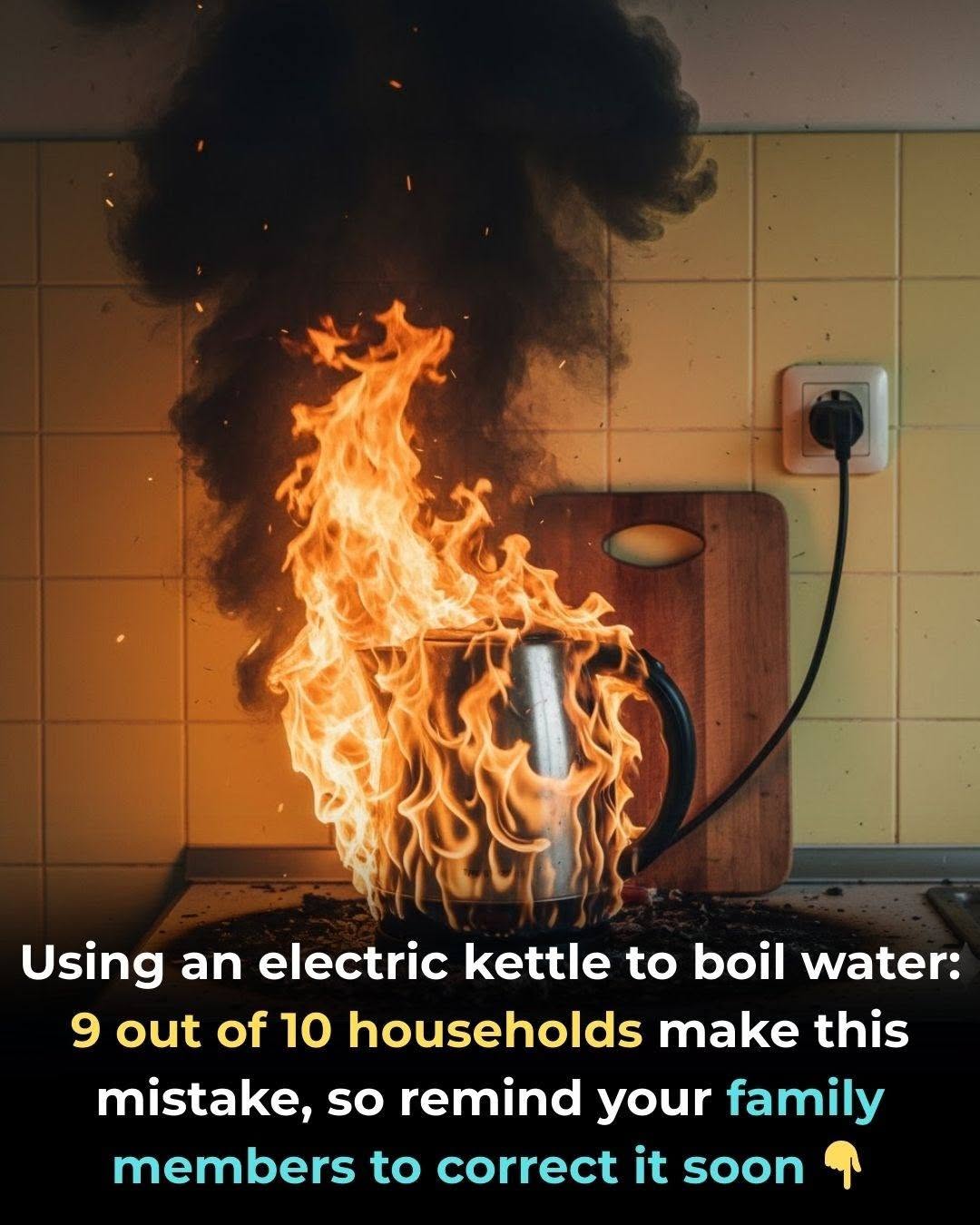
Electric kettles have become a kitchen essential in millions of homes. They are fast, convenient, energy-efficient, and perfect for preparing tea, coffee, instant meals, and other hot beverages. Because they are so simple to use, many people assume there is little that can go wrong.
However, appliance experts note that several common habits can reduce a kettle’s lifespan, waste energy, and even create safety concerns. Surprisingly, many households unknowingly make these mistakes every day.
If you use an electric kettle regularly, it may be worth reviewing a few simple practices that can help keep it operating safely and efficiently.
Mistake #1: Overfilling the Kettle
One of the most common mistakes is filling the kettle above the maximum water level.
When too much water is added:
- Boiling water may splash or spill
- Steam can become excessive
- Internal components may experience additional strain
- Safety risks can increase
Most kettles include clearly marked minimum and maximum fill lines for a reason.
Staying within those limits helps ensure safe operation.
Mistake #2: Boiling More Water Than Necessary
Many people fill the kettle completely even when they only need a single cup of hot water.
This habit can:
- Increase electricity consumption
- Extend boiling time
- Waste energy unnecessarily
Heating only the amount of water you actually need is both economical and environmentally friendly.
Mistake #3: Reboiling Water Repeatedly
Some users leave water inside the kettle and repeatedly boil it throughout the day.
While this is generally not dangerous, it can:
- Increase mineral concentration over time
- Affect taste in some areas with hard water
- Accelerate limescale buildup
Using fresh water whenever possible can help maintain better flavor and appliance performance.
Mistake #4: Ignoring Limescale Buildup
Mineral deposits naturally accumulate inside kettles, especially in areas with hard water.
Over time, limescale can:
- Reduce heating efficiency
- Increase energy usage
- Affect water quality
- Shorten appliance lifespan
Regular cleaning helps prevent excessive buildup.
[adinserter block=”4″]
How to Remove Limescale
Many people use simple household methods to descale their kettles.
Popular approaches include:
White Vinegar Solution
Mix equal parts water and vinegar, boil, allow it to sit, then rinse thoroughly.
Lemon Juice
Natural acids can help dissolve mineral deposits.
Commercial Descaling Products
Products specifically designed for kettles may also be effective.
Always follow manufacturer recommendations before cleaning.
Mistake #5: Operating the Kettle With Too Little Water
Most electric kettles require a minimum amount of water to function properly.
Running the kettle with insufficient water may:
- Trigger safety shutoffs
- Stress heating elements
- Reduce efficiency
Always check the minimum fill indicator before switching it on.
Mistake #6: Neglecting Exterior Cleaning
Many users focus only on the inside of the kettle.
However, dust, grease, and kitchen residue can accumulate on exterior surfaces.
Regular cleaning helps:
- Maintain appearance
- Prevent buildup
- Improve overall hygiene
Ensure the appliance is unplugged and cooled before cleaning.
Mistake #7: Using the Wrong Type of Water
Water quality can influence both taste and appliance maintenance.
Extremely hard water contributes to faster mineral accumulation.
In some areas, filtered water may help reduce limescale formation and improve flavor.
Mistake #8: Leaving Water Sitting for Long Periods
Water left standing inside a kettle for extended periods may lose freshness.
Although it is often still safe to boil, regularly emptying and refilling the kettle can help ensure better-tasting beverages.
Fresh water is generally recommended for optimal results.
Mistake #9: Ignoring Manufacturer Instructions
Different kettles may have unique operating recommendations.
Reading the instruction manual can help users:
- Understand safety features
- Learn proper cleaning procedures
- Avoid misuse
- Maximize appliance lifespan
Many problems occur simply because owners never review the guidelines provided with the product.
Safety Tips for Everyday Use
To use an electric kettle safely:
- Keep the appliance away from children when hot
- Place it on a stable, flat surface
- Avoid immersing electrical components in water
- Inspect cords regularly for damage
- Unplug when necessary for cleaning
Simple precautions can significantly reduce the risk of accidents.
Why Proper Maintenance Matters
A well-maintained kettle can provide years of reliable service.
Routine care helps:
- Improve efficiency
- Reduce energy consumption
- Maintain water quality
- Extend appliance life
Small maintenance tasks performed regularly often prevent larger problems later.
[adinserter block=”5″]