
[adinserter block=”3″]
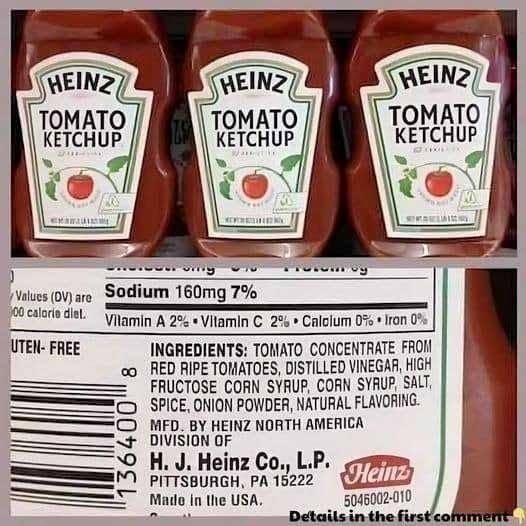
Every few months, a viral article appears online warning consumers to avoid a popular food product. One recent example involves claims that people should “avoid Heinz ketchup like the plague” and switch to another brand immediately.
Headlines like these are designed to grab attention, but do they tell the whole story?
The reality is that choosing a ketchup brand is often more about personal preference, ingredients, nutrition goals, and taste rather than a simple question of one brand being “good” or “bad.” Before making a decision based on a viral headline, it’s worth understanding what ketchup contains, how different brands compare, and what factors actually matter when selecting a condiment.
Why Ketchup Is So Popular
Ketchup is one of the most widely used condiments in the world.
It is commonly paired with:
- French fries
- Burgers
- Hot dogs
- Sandwiches
- Eggs
- Grilled foods
Its combination of sweetness, acidity, and tomato flavor has made it a household staple for generations.
What’s Typically Inside Ketchup?
Although recipes vary slightly among manufacturers, most ketchup products contain:
- Tomato concentrate
- Vinegar
- Sugar
- Salt
- Natural flavorings
- Spices
The balance of these ingredients largely determines the flavor profile of each brand.
Some brands focus on a sweeter taste, while others emphasize tanginess or a richer tomato flavor.
Why Some Consumers Criticize Certain Ketchup Brands
When people criticize major ketchup brands, their concerns often focus on:
Sugar Content
Many ketchup products contain added sugar.
Although serving sizes are usually small, some consumers prefer products with reduced sugar or no added sugar.
Sodium Levels
Like many condiments, ketchup contains salt to enhance flavor and preserve freshness.
Individuals monitoring sodium intake may compare brands to find lower-sodium alternatives.
Ingredient Preferences
Some shoppers prefer:
- Organic ingredients
- Non-GMO products
- Natural sweeteners
- Simplified ingredient lists
These preferences can influence brand selection.
Is One Brand Significantly Healthier?
[adinserter block=”4″]
In many cases, nutritional differences between mainstream ketchup brands are relatively small.
Factors that may vary include:
- Sugar content
- Sodium content
- Calorie count
- Ingredient sourcing
Reading nutrition labels remains the most reliable way to compare products.
Rather than focusing on brand names alone, evaluating the ingredient list and nutrition facts provides a more accurate picture.
Understanding Marketing and Viral Claims
Many viral articles rely on dramatic language such as:
- “Avoid this immediately”
- “The worst product on store shelves”
- “Switch to this healthier alternative now”
These headlines are often designed to generate clicks rather than provide balanced nutritional information.
Food choices are rarely as simple as declaring one product completely harmful and another completely beneficial.
Different Types of Ketchup Available Today
Consumers now have more options than ever before.
Traditional Ketchup
The classic formula combines tomatoes, vinegar, sugar, and seasonings.
Reduced Sugar Ketchup
Designed for individuals seeking lower sugar intake.
No Added Sugar Ketchup
Uses alternative sweetening approaches or relies on natural tomato sweetness.
Organic Ketchup
Made using organically grown ingredients according to certification standards.
Specialty and Gourmet Ketchup
May include unique spices, peppers, or flavor combinations.
What Nutrition Experts Often Recommend
Rather than focusing on a single condiment, nutrition experts typically emphasize overall dietary patterns.
Healthy eating habits generally include:
- Plenty of vegetables
- Fruits
- Whole grains
- Lean proteins
- Healthy fats
In this context, moderate ketchup consumption is unlikely to have a major impact on overall health for most people.
Portion size often matters more than the specific brand chosen.
How to Choose the Best Ketchup for Your Needs
When comparing ketchup products, consider:
Ingredient List
Look for ingredients that align with your preferences.
Sugar Content
Compare labels if reducing sugar intake is important to you.
Sodium Levels
Choose lower-sodium options if necessary.
Taste Preferences
Some people prefer sweeter ketchup, while others enjoy a stronger tomato flavor.
Dietary Goals
Organic, reduced-sugar, or specialty varieties may better fit certain lifestyles.
Can Homemade Ketchup Be an Alternative?
Some people choose to make ketchup at home.
Homemade versions allow greater control over:
- Sugar content
- Salt levels
- Ingredients
- Flavor profile
However, homemade ketchup typically requires more preparation time and has a shorter shelf life.
The Bigger Picture
Ketchup is usually consumed in relatively small amounts.
For most healthy individuals, factors such as:
- Overall diet quality
- Physical activity
- Sleep habits
- Stress management
Have a much greater impact on health than the occasional serving of ketchup.
This perspective helps place condiment choices in proper context.
[adinserter block=”5″]