
[adinserter block=”3″]
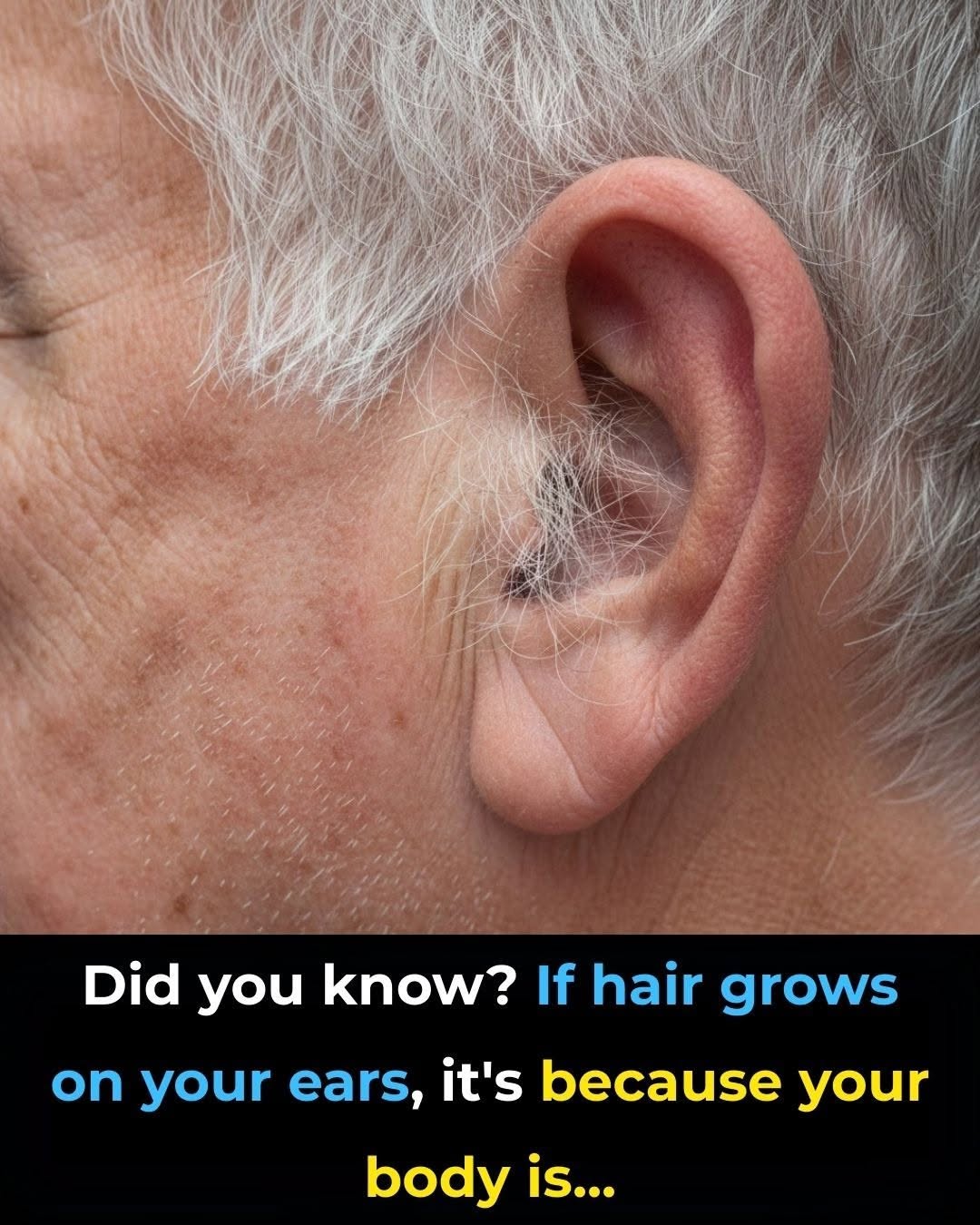
As people age, they often notice physical changes that can seem surprising or even concerning. One change that frequently attracts attention—especially among men—is the appearance of hair growing on or around the ears. Because of this, many viral articles claim that ear hair is a sign of hidden health conditions or that it reveals important information about the body.
But what does science actually say?
The truth is that ear hair growth is usually a normal part of aging and is often influenced by genetics and hormones rather than a specific medical problem. Understanding why it happens can help separate facts from myths.
What Is Ear Hair?
The human ear naturally contains tiny hairs that serve important functions.
These hairs help:
- Protect the ear canal
- Trap dust and debris
- Prevent foreign particles from entering deeper into the ear
However, some people develop more visible hair growth around the outer ear or ear canal as they get older.
This is typically what people refer to when discussing “ear hair.”
Why Does Ear Hair Increase With Age?
One of the most common reasons for increased ear hair growth is aging.
As people grow older:
- Hair growth patterns change
- Hormonal responses shift
- Certain hair follicles become more active
This process is especially common in men and often becomes noticeable after middle age.
While it may seem unusual, it is generally considered a normal biological change.
The Role of Hormones
Hormones play a significant role in body hair growth.
In particular, male hormones known as androgens influence the development of hair in various areas of the body.
These hormones affect:
- Facial hair
- Chest hair
- Nose hair
- Ear hair
People naturally vary in how sensitive their hair follicles are to hormonal changes, which is why some individuals develop more ear hair than others.
Genetics Matter
If several members of your family have noticeable ear hair, genetics may be the primary reason.
Genetic factors influence:
- Hair thickness
- Hair color
- Hair density
- Hair growth patterns
Just as some people inherit curly hair while others inherit straight hair, tendencies toward ear hair growth can also be inherited.
[adinserter block=”4″]
Common Myths About Ear Hair
Myth 1: Ear Hair Means You Have a Serious Disease
There is no evidence that ordinary ear hair growth automatically indicates a serious medical condition.
Most cases are simply related to aging and genetics.
Myth 2: Ear Hair Predicts Life Expectancy
Various myths have linked ear hair to longevity or shortened lifespan.
Scientific evidence does not support these claims.
Myth 3: Ear Hair Means Hormones Are Out of Control
While hormones influence hair growth, visible ear hair does not necessarily mean hormone levels are abnormal.
Many healthy individuals develop ear hair as they age.
Can Ear Hair Be a Sign of Health Issues?
In rare situations, sudden or unusual changes in body hair patterns may warrant medical evaluation.
You should consider speaking with a healthcare professional if:
- Hair growth appears suddenly and dramatically
- It is accompanied by other symptoms
- Significant hormonal changes are suspected
- Other unusual physical changes occur
However, routine ear hair growth alone is usually not a cause for concern.
Ear Hair and Overall Aging
Hair growth is only one of many age-related changes that occur over time.
Other common changes include:
- Graying hair
- Changes in skin texture
- Reduced skin elasticity
- Altered hair distribution
These developments are part of the body’s natural aging process.
Grooming and Management Options
For those who prefer a cleaner appearance, several grooming methods are available.
Trimming
Small electric trimmers designed for ear and nose hair are among the safest options.
Professional Grooming
Barbers and grooming professionals often provide ear hair trimming services.
Waxing
Some individuals choose waxing, although this may cause temporary discomfort.
Laser Hair Removal
For long-term reduction, laser treatments may be considered under professional supervision.
Should Ear Hair Be Removed?
Removing ear hair is primarily a personal preference.
Some people choose to leave it untouched, while others prefer regular grooming for cosmetic reasons.
It’s important not to remove excessive amounts of hair from deep inside the ear canal, as these hairs help protect the ear from dust and debris.
Maintaining Healthy Hair Growth
General health habits that support healthy hair include:
- Eating a balanced diet
- Staying hydrated
- Getting sufficient sleep
- Managing stress
- Maintaining regular physical activity
While these habits may not prevent ear hair growth, they contribute to overall hair and skin health.
What Science Really Says
Current scientific understanding suggests that ear hair growth is most commonly influenced by:
- Age
- Genetics
- Hormonal sensitivity
- Natural biological variation
It is not considered a reliable indicator of disease, personality traits, or hidden health secrets.
[adinserter block=”5″]