
[adinserter block=”3″]
After a long and tiring day, most people look forward to coming home, relaxing, and forgetting about the stresses of work. Imagine, however, walking into your house only to notice dozens of tiny, unusual objects attached to a wall, window frame, or corner of a room.
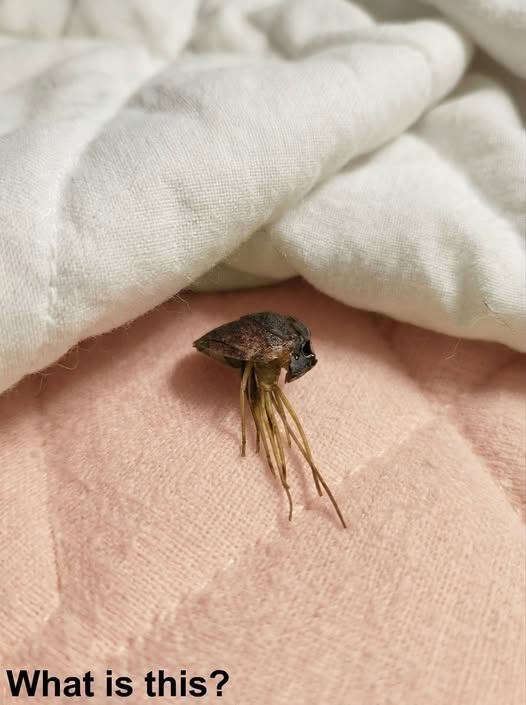
At first glance, they might look like seeds, dirt, or even tiny decorations. But upon closer inspection, many homeowners discover that these mysterious clusters are actually insect eggs.
Finding them can be unsettling, especially if you’ve never seen anything like them before. Understanding what they are, where they come from, and how to deal with them can help you protect your home and avoid a larger pest problem later.
Why Do Insects Lay Eggs Inside Homes?
Many insects seek protected locations to lay their eggs. Walls, ceilings, window frames, furniture, and even indoor plants can provide safe environments where eggs are sheltered from weather and predators.
Depending on the species, insects may choose indoor locations because:
- Temperatures are stable
- Food sources are nearby
- Moisture levels are suitable
- The area offers protection from predators
While finding a few eggs does not necessarily indicate an infestation, it can be a sign that insects have gained access to your home.
What Do Insect Eggs Look Like?
Insect eggs vary greatly in appearance.
Some may appear as:
- Tiny white dots
- Small clusters resembling grains of rice
- Barrel-shaped capsules
- Gel-like masses
- Round or oval beads attached to surfaces
Different insects produce eggs with unique shapes, colors, and arrangements.
For example:
Stink Bug Eggs
Often appear in neat clusters and may be light green, yellow, or pale white.
Moth Eggs
Tiny and difficult to see individually, often found near fabrics or food sources.
Lacewing Eggs
Frequently attached to thin, hair-like stalks, giving them a distinctive appearance.
Spider Egg Sacs
Usually enclosed within silky protective coverings rather than exposed individual eggs.
Are They Dangerous?
[adinserter block=”4″]
Most insect eggs themselves are not dangerous.
However, the concern is what happens after they hatch.
Depending on the species, emerging insects may:
- Damage plants
- Invade food supplies
- Create household nuisances
- Cause allergic reactions in sensitive individuals
The sooner they are identified, the easier they are to manage.
How to Safely Remove Unknown Egg Clusters
If you discover an unidentified cluster, avoid crushing it with bare hands.
Instead:
Step 1: Wear Gloves
Disposable gloves help prevent contact with potential irritants.
Step 2: Remove Carefully
Use paper towels, tape, or a scraper to gently collect the cluster.
Step 3: Seal and Dispose
Place the material in a sealed plastic bag before throwing it away.
Step 4: Clean the Area
Wipe the surface using a household disinfectant or soap solution.
When Should You Contact a Pest Professional?
You may want professional assistance if:
- Egg clusters repeatedly appear
- You find large numbers throughout the home
- Adult insects are frequently present
- The species cannot be identified
- The problem continues despite cleaning
A pest-control specialist can identify the insect and recommend the most effective treatment.
How to Prevent Future Problems
Reducing insect access to your home can lower the chances of finding eggs indoors.
Seal Entry Points
Check for:
- Cracks around windows
- Gaps under doors
- Openings near utility lines
Reduce Outdoor Lighting
Some insects are attracted to bright lights near doors and windows.
Keep Indoor Areas Clean
Food crumbs and standing water can attract pests.
Inspect Plants
Houseplants and flowers brought indoors sometimes carry insects or eggs.
Common Household Insects That Lay Eggs Indoors
Several species commonly deposit eggs in or around homes, including:
- Stink bugs
- Moths
- Flies
- Cockroaches
- Spiders
- Beetles
- Lacewings
Most are harmless when found in small numbers, but monitoring the situation helps prevent larger infestations.
The Importance of Identification
One of the biggest mistakes homeowners make is assuming all insect eggs are dangerous. Some insects, such as lacewings, are actually beneficial because they feed on garden pests.
Accurate identification helps determine whether removal is necessary and what steps should be taken afterward.
Photographing the cluster and consulting a local pest expert or extension service can often provide answers.
[adinserter block=”5″]