
[adinserter block=”3″]
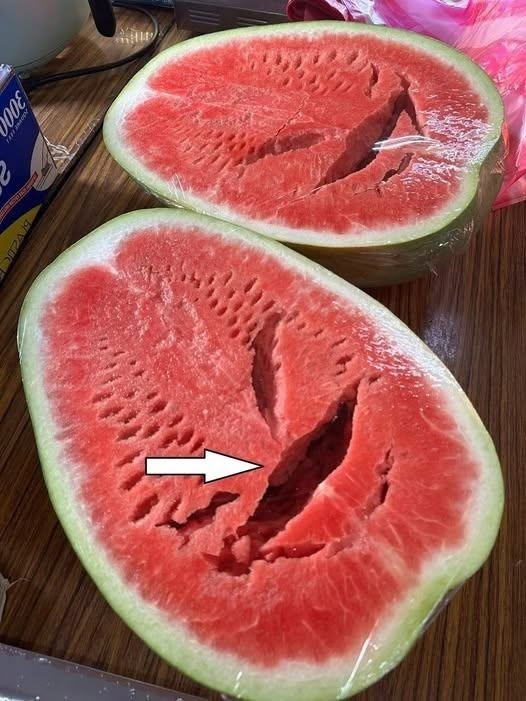
Few things are more refreshing on a hot day than slicing open a juicy watermelon. But sometimes, after cutting into one, you may notice unusual cracks, splits, or hollow spaces inside the fruit. These unexpected openings can leave you wondering whether the watermelon is safe to eat or if it should be thrown away immediately.
The truth is that internal cracking in watermelons is usually not a sign of contamination or poisoning. However, understanding why these cracks form can help you determine whether the fruit is still good to eat.
What Are Internal Cracks in Watermelons?
Internal cracks, sometimes called “hollow heart,” occur when the flesh of the watermelon develops gaps, splits, or cavities inside. These spaces may range from tiny cracks to large hollow areas extending through the center of the fruit.
When you first see them, they can look alarming, but they often result from the watermelon’s growth process rather than spoilage.
Why Do Watermelons Develop Cracks?
Several factors can contribute to internal cracking.
1. Rapid Growth
One of the most common causes is rapid growth during the fruit’s development.
When weather conditions are ideal, a watermelon may grow faster than its internal tissues can properly support. As the fruit expands, the flesh can separate and create cracks or hollow spaces.
2. Pollination Problems
Poor or incomplete pollination can affect how evenly the fruit develops.
If some parts of the watermelon grow differently from others, internal stress may lead to cracking.
3. Fluctuations in Water Supply
Periods of drought followed by heavy rainfall or excessive irrigation can cause sudden growth spurts.
This rapid expansion sometimes creates pressure within the fruit, resulting in internal splits.
4. Variety Differences
Some watermelon varieties are naturally more prone to developing hollow centers than others. Farmers and growers often consider this when selecting seeds for commercial production.
Is a Cracked Watermelon Safe to Eat?
In many cases, yes.
If the watermelon:
- Smells fresh
- Has normal color
- Shows no signs of mold
- Has a firm texture
It is often safe to consume despite the cracks.
The cracks themselves are generally a quality issue rather than a food safety issue.
However, the situation changes if the fruit shows signs of spoilage.
[adinserter block=”4″]
When Should You Throw It Away?
You should discard the watermelon if you notice any of the following:
Sour or Fermented Smell
Fresh watermelon has a mild, sweet aroma. A sour smell may indicate bacterial growth or fermentation.
Slimy Texture
Healthy watermelon flesh should feel crisp and juicy. A slimy surface suggests spoilage.
Mold Growth
Visible mold is a clear sign that the fruit should not be eaten.
Dark or Discolored Areas
Large brown, black, or unusually soft sections may indicate decay.
Unpleasant Taste
If the flavor seems fermented, bitter, or significantly different from normal watermelon, it’s best not to continue eating it.
The Myth About Growth Hormones
Social media posts sometimes claim that internal cracks automatically prove a watermelon was injected with growth hormones or chemicals.
There is no reliable evidence that cracks alone can determine whether a watermelon was treated with growth regulators.
Agricultural experts generally agree that hollow heart is most often linked to growing conditions and pollination issues rather than chemical injections.
Does Hollow Heart Affect Taste?
Sometimes.
Watermelons with hollow heart may be:
- Slightly less juicy
- Less sweet in certain sections
- More prone to uneven texture
However, many still taste perfectly fine and remain enjoyable to eat.
How to Choose a Better Watermelon
While it’s impossible to guarantee what the inside looks like before cutting it open, these tips can improve your chances of selecting a good watermelon:
Look for a Field Spot
A creamy yellow spot indicates the melon had time to ripen on the ground.
Check the Weight
A ripe watermelon should feel heavy for its size because of its high water content.
Examine the Exterior
Avoid melons with:
- Deep cuts
- Soft spots
- Major bruises
- Cracks on the rind
Listen to the Sound
Many people tap the watermelon and listen for a deep, hollow sound, which can indicate ripeness.
How to Store Cut Watermelon Safely
Once sliced:
- Refrigerate promptly
- Cover tightly with plastic wrap or store in an airtight container
- Consume within 3 to 5 days for best quality
Never leave cut watermelon at room temperature for extended periods, especially during hot weather.
[adinserter block=”5″]