
[adinserter block=”3″]
Sometimes you’ll notice thick white strands attached to the yolk.
These structures are called chalazae.
Their purpose is to help keep the yolk centered inside the egg.
In fact, visible chalazae often indicate a relatively fresh egg.
When Should You Be Concerned?
While unusual yolks are often harmless, certain warning signs should never be ignored.
Discard the egg if you notice:
- A strong sulfur-like odor
- Mold growth
- Cracked shells with contamination
- Unusual discoloration throughout the egg
- Slimy texture
These signs may indicate spoilage.
How to Check Egg Freshness
The Water Test
A simple home method involves placing the egg in a bowl of water.
Fresh Egg
- Sinks and lies flat
Older Egg
- Stands upright
Spoiled Egg
- Floats to the surface
Floating occurs because air accumulates inside the shell as the egg ages.
[adinserter block=”4″]
Proper Egg Storage Tips
To maximize freshness:
Keep Eggs Refrigerated
Store eggs at a consistent cold temperature.
Leave Them in Their Carton
The carton helps protect eggs from absorbing odors and moisture.
Avoid Temperature Fluctuations
Repeated warming and cooling can reduce quality.
Use Older Eggs First
Following a first-in, first-out approach helps minimize waste.
Common Egg Myths
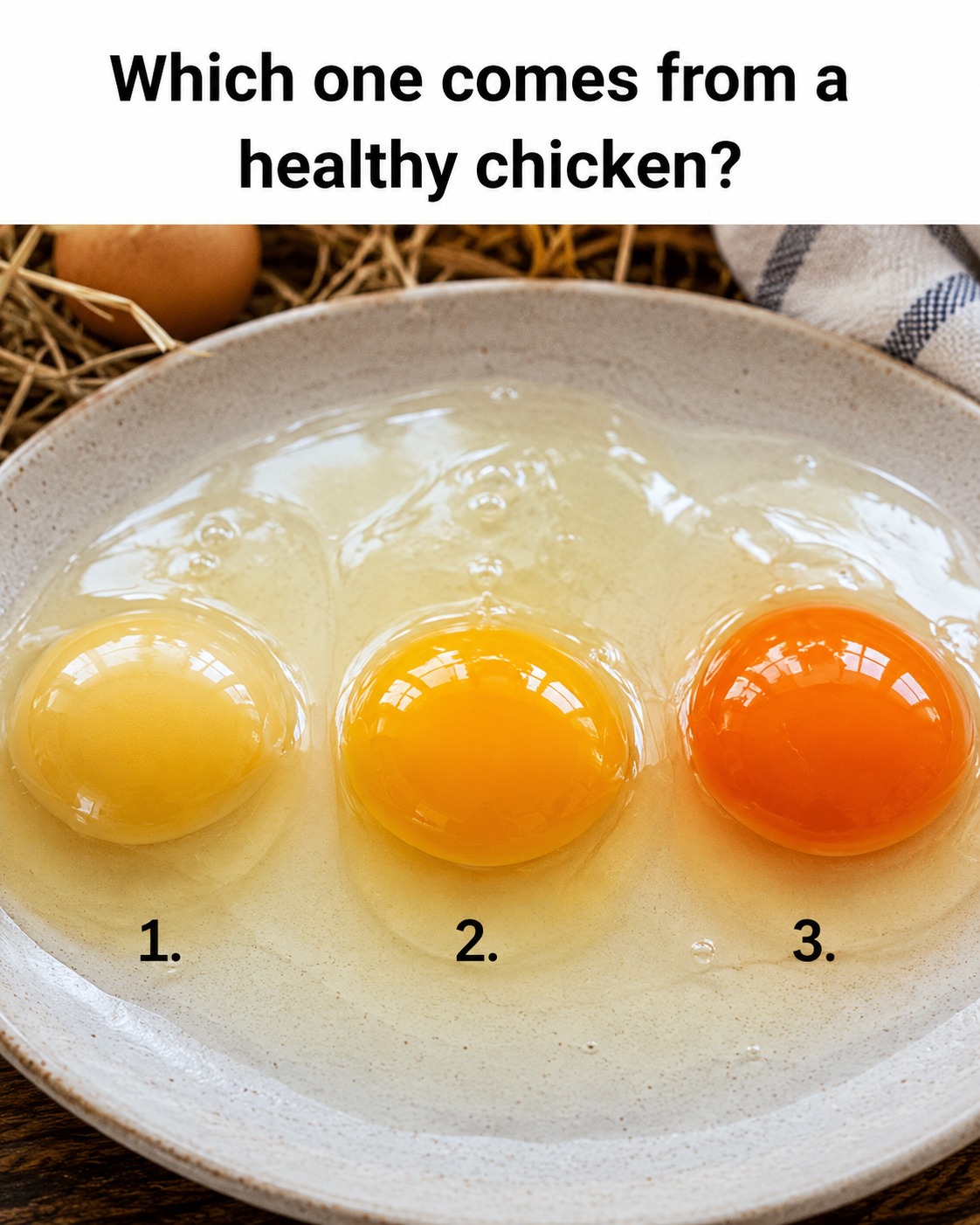
Myth: Dark Orange Yolks Mean the Egg Is Organic
Not necessarily.
Yolk color primarily reflects the hen’s diet.
Myth: Double-Yolk Eggs Are Unsafe
False.
Double-yolk eggs are generally safe to consume.
Myth: Pale Yolks Mean Poor Quality
Color alone doesn’t determine freshness or nutritional value.
Myth: Blood Spots Mean the Egg Is Fertilized
This is one of the most common misconceptions and is typically untrue.
Frequently Asked Questions
Are orange yolks healthier?
Not always. While diet influences yolk color, nutritional differences are often smaller than many people assume.
Can I eat an egg with a blood spot?
In most cases, yes, provided the egg is fresh and otherwise normal.
Why do some yolks break easily?
Older eggs often have weaker yolk membranes, making them more likely to rupture.
Is a double-yolk egg rare?
They’re uncommon but not extremely rare, especially among younger hens.
[adinserter block=”5″]