
[adinserter block=”3″]
Have You Ever Cracked an Egg and Found Something Unexpected?
Most of us crack eggs without giving them much thought. Whether we’re making breakfast, baking a cake, or preparing a quick dinner, eggs are one of the most familiar foods in our kitchens.
But every now and then, an egg reveals something surprising—a yolk that’s unusually pale, incredibly dark orange, oddly shaped, oversized, or even double.
Moments like these often raise an important question:
Is this egg still safe to eat?
The good news is that unusual yolks are often completely normal. In many cases, differences in color, size, and appearance simply reflect variations in a hen’s diet, age, or natural egg production cycle.
Let’s explore what those unusual yolks might actually mean.
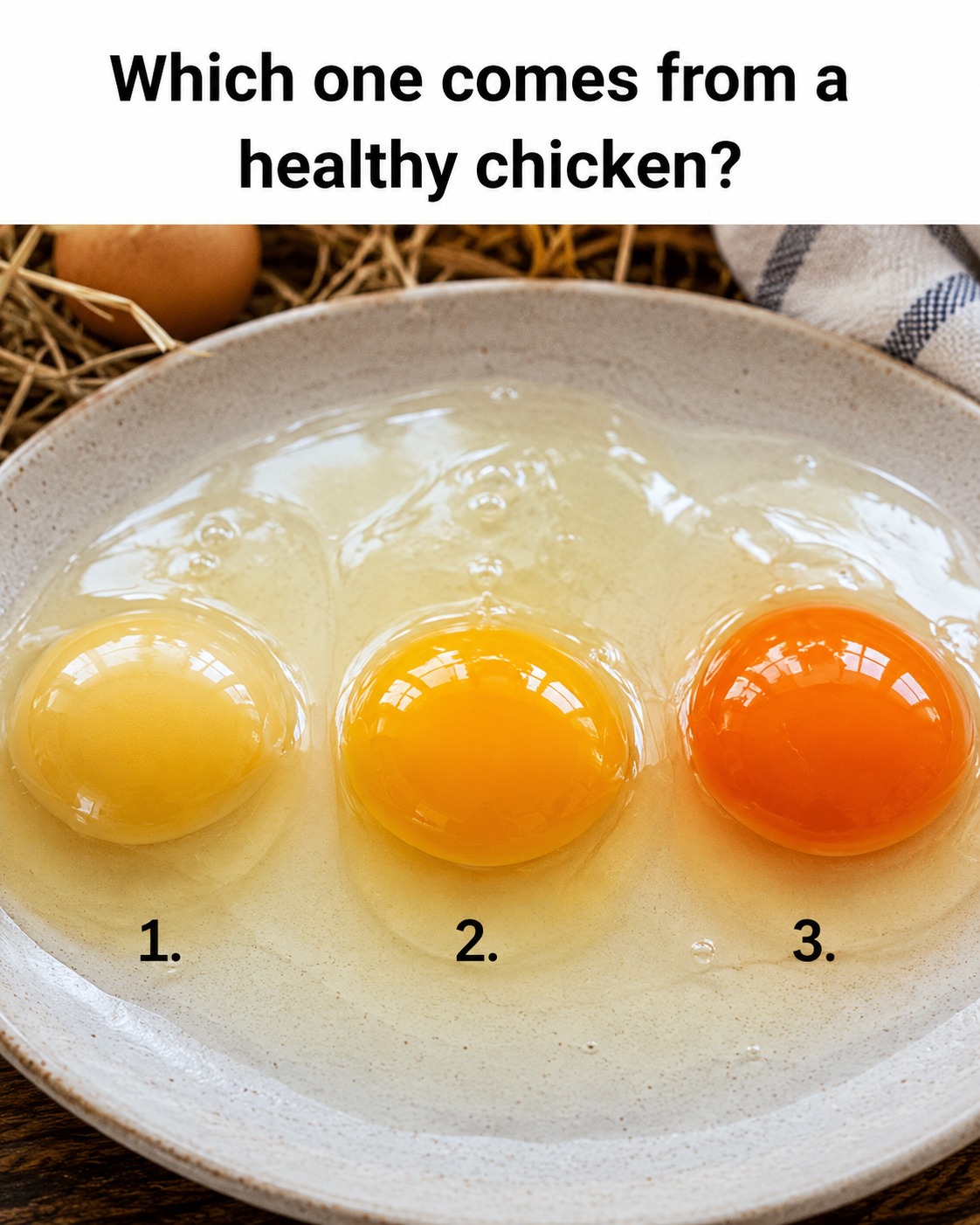
Why Egg Yolks Vary in Color
One of the most common surprises is discovering a yolk that looks much darker or lighter than expected.
Deep Orange Yolks
Bright orange yolks often come from hens whose diets contain pigments naturally found in foods such as:
- Marigold petals
- Corn
- Alfalfa
- Certain vegetables
Many people assume darker yolks are automatically healthier, but color alone doesn’t necessarily indicate nutritional quality.
Pale Yellow Yolks
Lighter yolks are also perfectly normal.
They usually result from differences in feed rather than freshness or safety concerns.
As long as the egg is fresh and properly stored, a pale yolk is generally nothing to worry about.
[adinserter block=”4″]
What Causes Double Yolks?
Finding two yolks in one egg can feel like winning a small lottery.
Double-yolk eggs occur when a hen releases two yolks into the same shell during egg formation.
They are most common in:
- Younger hens
- Hens whose reproductive systems are still adjusting
- Certain breeds that naturally produce larger eggs
Double yolks are usually safe to eat and are considered a natural variation.
Why Some Yolks Look Flat
A fresh egg typically has a firm, rounded yolk that stands up slightly when cracked onto a plate.
As eggs age:
- Moisture slowly evaporates
- Internal structures weaken
- Yolks may appear flatter
This doesn’t automatically mean the egg is unsafe, but it can indicate reduced freshness.
Blood Spots and Tiny Red Marks
Few things cause concern faster than seeing a small red spot inside an egg.
Fortunately, these spots are usually harmless.
Blood spots occur when a tiny blood vessel breaks during egg formation.
While they may look alarming, they are generally considered safe if the egg is otherwise fresh and normal.
White Strings Attached to the Yolk
[adinserter block=”5″]