
[adinserter block=”5″]
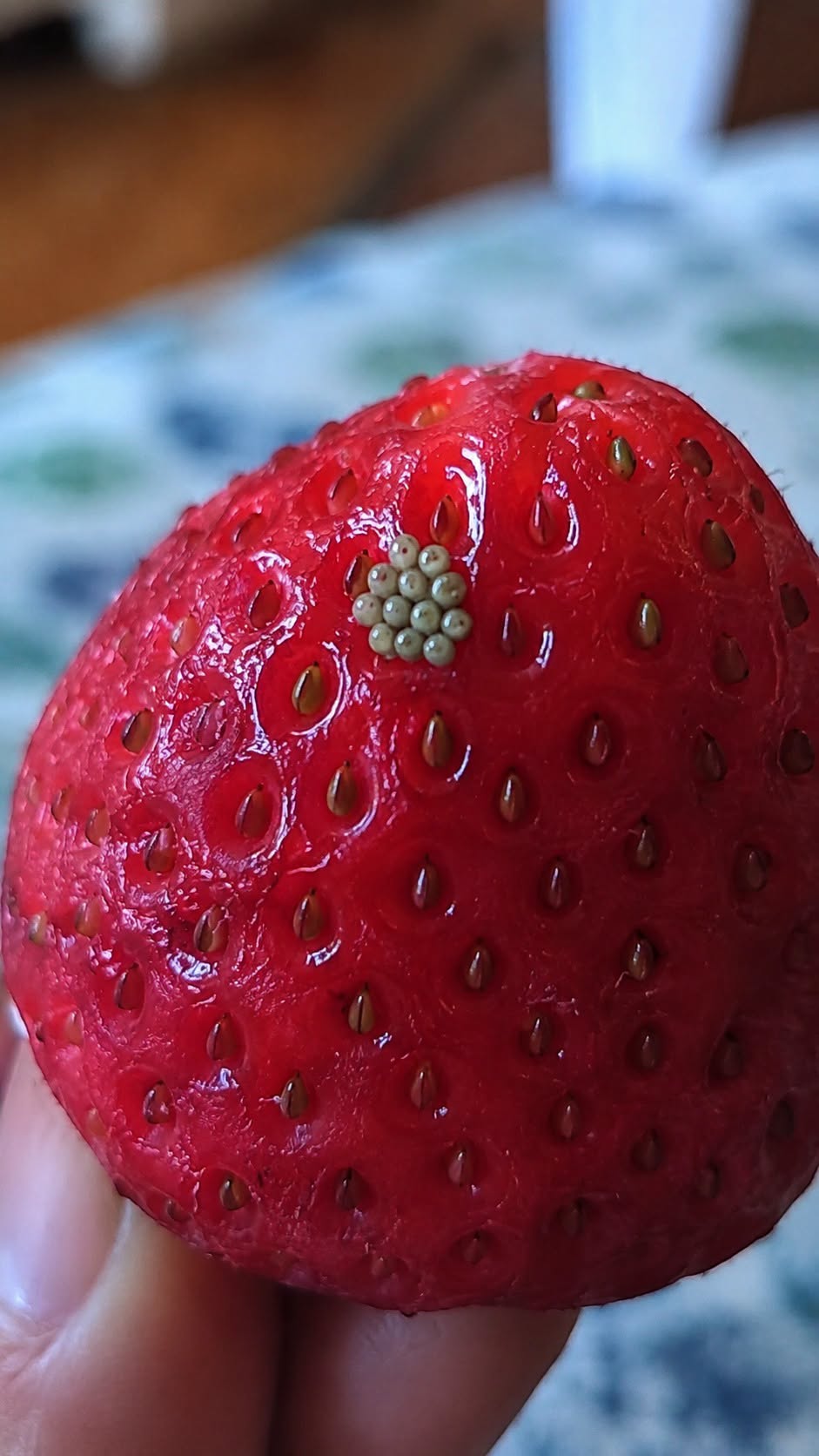
Strawberries are among the most popular fruits in the world, loved for their sweet taste, bright color, and impressive nutritional benefits. However, many people have recently become concerned after seeing videos online showing tiny white worm-like creatures emerging from strawberries soaked in salt water. While the sight can be alarming, understanding what these organisms are and whether they pose any health risks can help put the issue into perspective.
What Are the Tiny White Worms?
The small white creatures occasionally found in strawberries are usually the larvae of a fruit fly species known as the Spotted Wing Drosophila. Unlike common fruit flies that are attracted to overripe or decaying fruit, these insects can lay their eggs inside fresh, ripening strawberries while they are still growing.
After the eggs hatch, the larvae develop inside the fruit. Because they are extremely small and hidden within the berry, consumers often do not notice their presence. In many cases, the fruit appears perfectly normal from the outside.
Why Do They Come Out in Salt Water?
When strawberries are soaked in salt water, the change in environment can irritate the larvae and cause them to emerge from the fruit. This is why many viral demonstrations show tiny white organisms wriggling out of strawberries after several minutes of soaking.
The salt water does not create the larvae; it simply makes them visible. If larvae are present, they were already inside the fruit before the soaking process began.
Are They Harmful to Humans?
For most people, the answer is no. These larvae are not known to transmit diseases to humans, and accidentally consuming them is generally not considered a health concern. In fact, people may unknowingly consume small amounts of insect material in various fruits and vegetables without any adverse effects.
While the thought of eating insect larvae may be unpleasant, food safety experts generally agree that the presence of these tiny organisms does not make strawberries dangerous to eat.
How Common Is This?
The occurrence of larvae in strawberries depends on several factors, including growing conditions, climate, season, and pest management practices. Warm temperatures and humid conditions can increase insect activity, making infestations more likely in some regions.
Commercial farmers use various methods to monitor and control pests, which helps reduce the chances of larvae being present in produce sold to consumers. Nevertheless, because strawberries are grown outdoors, occasional insect activity is a natural part of the agricultural process.
How to Clean Strawberries Properly
[adinserter block=”3″]
If you would like extra reassurance before eating strawberries, there are several simple cleaning methods you can use.
Rinse with Cold Water
Wash strawberries thoroughly under cool running water. Gently rub the surface of each berry to remove dirt, dust, and other contaminants.
Salt-Water Soak
Mix a small amount of salt into a bowl of water and soak the strawberries for 10 to 15 minutes. If larvae are present, they may emerge during this process. Rinse the berries thoroughly afterward to remove any remaining salt.
Vinegar Wash
A solution made from one part vinegar and three parts water can help remove surface contaminants and extend freshness. After soaking for a few minutes, rinse the strawberries well and allow them to dry before storage.
When Should Strawberries Be Discarded?
The presence of larvae alone is not necessarily a reason to throw strawberries away. However, strawberries should be discarded if they show signs of spoilage, such as:
- Mold growth
- Unpleasant or sour odors
- Excessive softness or mushiness
- Leakage of liquid
- Significant discoloration
These signs indicate that the fruit is deteriorating and may no longer be suitable for consumption.
Understanding Nature’s Role
Fresh fruits are natural products grown in outdoor environments where they are exposed to insects, weather, and other elements of nature. It is virtually impossible to eliminate all insect interactions without heavily processing the fruit. The occasional presence of insect larvae is not unusual and does not necessarily reflect poor farming practices.
In many ways, finding evidence of insects in fresh produce is a reminder that our food comes from living ecosystems rather than sterile laboratory conditions.
[adinserter block=”4″]