
[adinserter block=”3″]
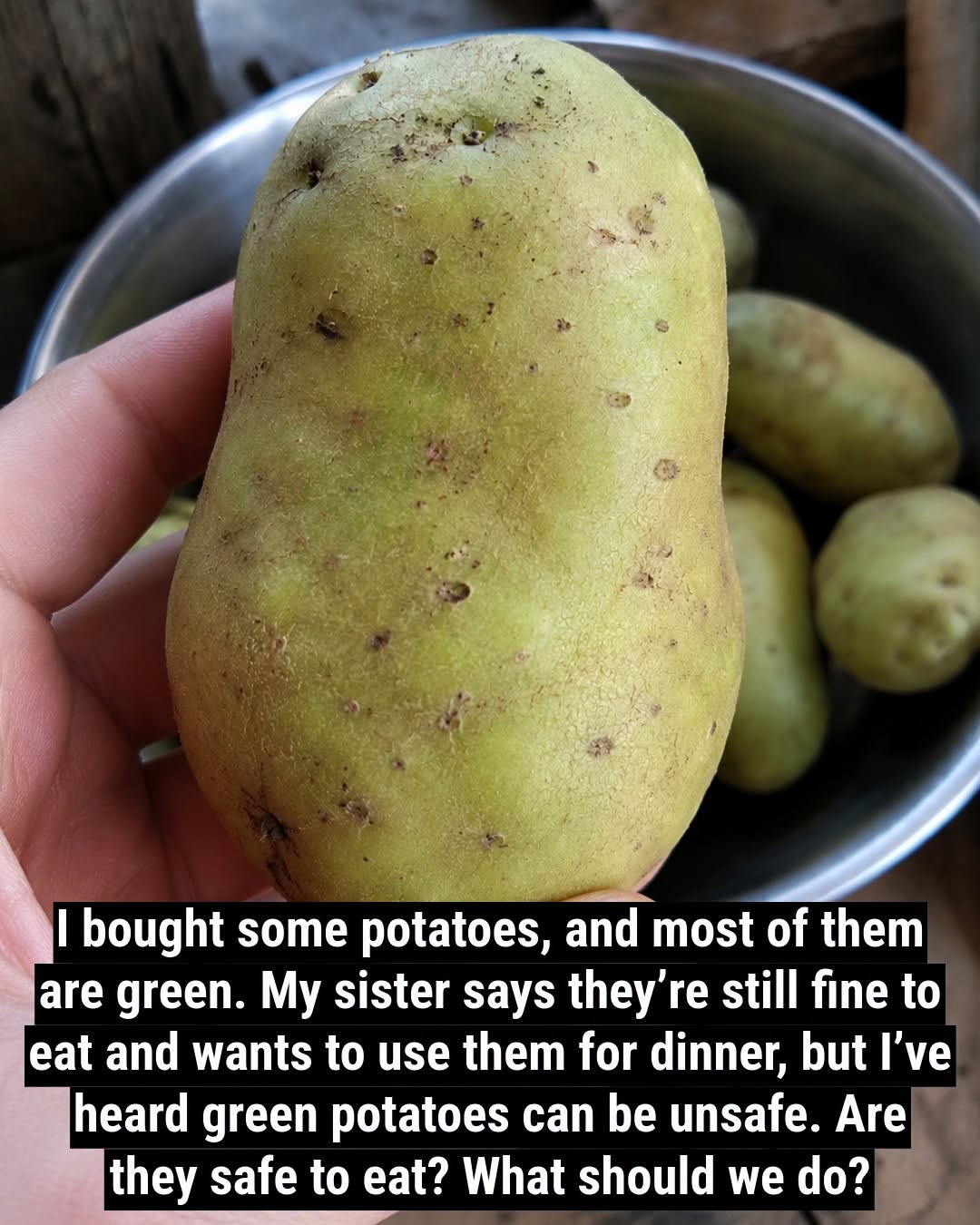
Have you ever reached for a potato and noticed patches of green on the skin? Many people wonder whether green potatoes are harmless or if they should be thrown away.
The answer is a little more complicated than you might think.
Why Potatoes Turn Green
Potatoes turn green when they’re exposed to light for extended periods.
When this happens, the potato produces chlorophyll, the same green pigment found in plants.
Chlorophyll itself is harmless, but its presence often indicates that the potato may also be producing higher levels of naturally occurring compounds called glycoalkaloids, particularly solanine.
What Is Solanine?
Solanine is a natural chemical that helps protect potatoes from insects, fungi, and other threats.
Small amounts are normally present in potatoes, but levels can increase when potatoes are exposed to:
- Light
- Physical damage
- Improper storage
- Sprouting
Are Green Potatoes Safe?
Small Green Areas
If only a small portion of the potato is green:
- Cut away the green parts generously.
- Remove any sprouts.
- Inspect the rest of the potato.
If the remaining potato looks healthy, many people choose to use it.
Heavily Green Potatoes
If the potato is extensively green or has a bitter taste, it’s best to discard it.
The higher the level of greening, the greater the chance of elevated glycoalkaloid content.
Possible Symptoms of Eating Too Much Solanine
[adinserter block=”4″]
Consuming large amounts of glycoalkaloids may cause:
- Nausea
- Vomiting
- Stomach discomfort
- Diarrhea
- Headaches
Severe cases are rare but can occur when large quantities are consumed.
Does Cooking Remove the Problem?
Unfortunately, normal cooking methods do not completely eliminate glycoalkaloids.
Boiling, baking, or frying may reduce levels slightly, but they do not reliably make heavily green potatoes safe.
How to Prevent Potatoes From Turning Green
Store potatoes:
- In a cool place
- In a dark location
- Away from direct sunlight
- In a breathable container
- Away from heat sources
Avoid storing potatoes on countertops where they receive regular light exposure.
Signs a Potato Should Be Discarded
Consider throwing away potatoes that are:
- Deeply green
- Heavily sprouted
- Soft or shriveled
- Moldy
- Bitter tasting
[adinserter block=”5″]