
[adinserter block=”4″]
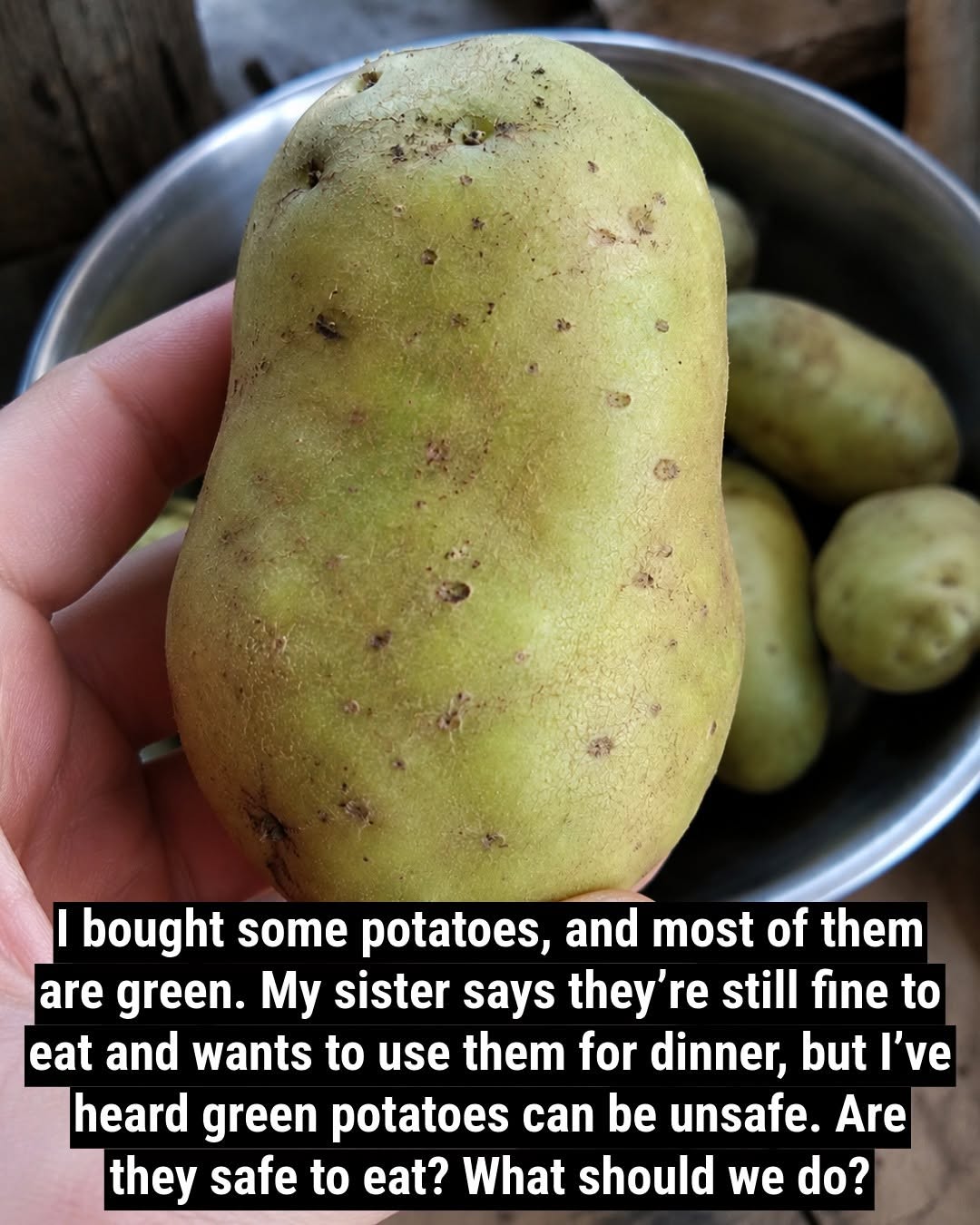
It happens to almost everyone at some point. You reach into the bag, pull out a potato, and notice patches of green on the skin — or sometimes deeper in the flesh. Your first instinct might be to toss it, or it might be to shrug and throw it in the pot anyway. Before you do either, here’s what you actually need to know.
Why Potatoes Turn Green
The short answer is simple: light exposure.
Potatoes grow underground, in complete darkness. When they’re brought to the surface and stored somewhere with regular light exposure — a sunny countertop, a brightly lit store shelf, even a kitchen with fluorescent lighting — their cells begin producing chlorophyll in response to the light. Chlorophyll is the same pigment that makes leaves and grass green. In plants, its production is a completely natural process triggered by light. In potatoes, it produces that distinctive green tint on the skin and, if exposure continues long enough, in the flesh beneath.
Here’s the critical point: the green color itself — caused by chlorophyll — is not toxic. Chlorophyll is completely harmless.
But it’s a warning signal. Because the same conditions that trigger chlorophyll production also trigger the production of something far more concerning.
The Real Problem: Solanine
When a potato is exposed to light, it doesn’t just produce chlorophyll. It simultaneously begins producing solanine — a natural glycoalkaloid compound that the potato plant uses as a chemical defense against insects, fungi, and other threats.
Solanine is present in all potatoes at all times, in very small amounts concentrated primarily in the skin and just beneath it. That baseline level is harmless at normal consumption. The problem arises when light exposure, physical damage, or improper storage causes solanine levels to increase significantly — which is exactly what happens when a potato turns green.
Solanine is a neurotoxin. It does not break down during cooking — boiling, frying, baking, and roasting all leave it completely intact. Peeling away the green areas is the only way to remove it.
It also has a distinctly bitter taste. If you’ve ever bitten into a potato and noticed an unusually bitter or burning sensation in your mouth or throat, elevated solanine was almost certainly the cause — even if the potato didn’t look visibly green.
[adinserter block=”3″]
What Are the Symptoms of Solanine Poisoning?
Solanine poisoning from potatoes is rare but real. Symptoms typically appear within a few hours of consuming a significant amount and can include:
- Nausea, vomiting, and diarrhea
- Stomach cramps and abdominal pain
- Headaches and dizziness
- Fever or, in some cases, abnormally low body temperature
- Slow pulse and breathing
- In more severe cases: confusion, neurological symptoms, and hallucinations
It’s important to be accurate about the risk level here. You would need to consume a considerable quantity of green potato to experience serious symptoms. A small amount of green — a few patches quickly trimmed away — is unlikely to cause any noticeable effect in a healthy adult. Children, however, are significantly more vulnerable due to their smaller body mass and lower threshold for toxic compounds. Green potatoes should never be served to children under any circumstances.
Can You Still Eat a Potato That Has Turned Green?
[adinserter block=”5″]