
[adinserter block=”3″]
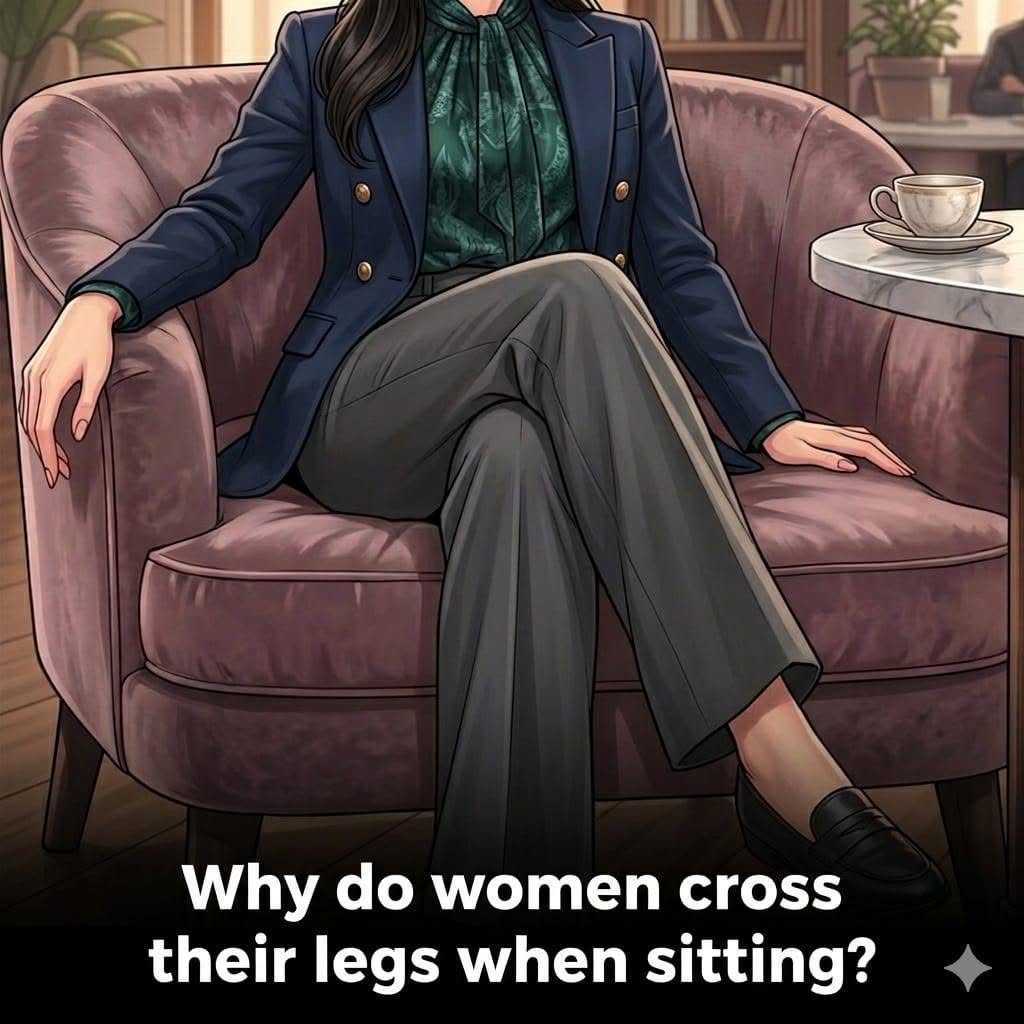
Sitting cross-legged is one of the most common sitting positions around the world. Many people, particularly women, naturally adopt this posture while working, socializing, waiting, or relaxing. While some view it as a matter of comfort or habit, others wonder whether sitting this way has any effects on health, posture, circulation, or joint function.
The truth is that sitting cross-legged is generally harmless for most healthy individuals when done occasionally. However, spending long periods in any single position may have consequences over time.
Let’s take a closer look at why people sit cross-legged and what science says about its effects on the body.
Why Do People Sit Cross-Legged?
There is no single reason why someone chooses this position. Factors may include:
- Comfort
- Habit
- Social norms
- Clothing choices
- Body flexibility
- Personal preference
Many people find that crossing their legs feels natural and requires little effort while seated.
The Role of Culture and Social Habits
Throughout history, sitting postures have often been influenced by cultural expectations and social customs.
In some settings, crossing the legs is viewed as:
- Polite
- Relaxed
- Professional
- Elegant
In others, different sitting positions may be more common.
Ultimately, posture choices are influenced by a combination of physical comfort and learned behavior.
Can Sitting Cross-Legged Affect Posture?
When done occasionally, sitting cross-legged is unlikely to cause significant problems.
However, remaining in the same position for extended periods may contribute to:
- Muscle tightness
- Temporary postural imbalances
- Lower back discomfort
- Hip stiffness
The key issue is usually prolonged sitting itself rather than the specific act of crossing the legs.
[adinserter block=”4″]
Effects on Circulation
A common belief is that crossing your legs seriously restricts blood flow.
In reality:
- Temporary pressure may slightly affect circulation.
- Normal blood flow typically returns once the position changes.
- Healthy individuals generally experience no lasting effects.
However, people with certain circulatory conditions may benefit from avoiding prolonged leg crossing.
Impact on the Hips and Joints
Cross-legged sitting places the hips and knees in a particular alignment.
For some people, especially those with:
- Hip pain
- Arthritis
- Joint injuries
- Reduced flexibility
the position may become uncomfortable over time.
Listening to your body’s signals is important. If discomfort develops, changing positions is recommended.
Can It Cause Varicose Veins?
One persistent myth suggests that crossing your legs directly causes varicose veins.
Current evidence does not strongly support this claim.
Varicose veins are more commonly associated with:
- Genetics
- Aging
- Pregnancy
- Obesity
- Prolonged standing
While sitting for long periods may contribute to circulation issues, simply crossing the legs is not considered a primary cause.
Benefits of Changing Positions Frequently
Regardless of how you sit, movement is important.
Experts often recommend:
- Standing up regularly
- Stretching throughout the day
- Walking periodically
- Avoiding prolonged static positions
These habits support circulation, flexibility, and overall comfort.
Alternative Sitting Positions
If you spend long hours seated, consider rotating between positions such as:
- Feet flat on the floor
- One foot slightly forward
- Supported ergonomic sitting
- Standing desk use when possible
Variety helps reduce stress on specific muscles and joints.
What About Back Pain?
For some individuals, crossing the legs may temporarily relieve pressure and feel comfortable.
For others, it may worsen:
- Lower back discomfort
- Hip tension
- Muscle imbalances
Because body mechanics differ from person to person, there is no universally perfect sitting posture.
Tips for Healthier Sitting
To improve comfort and support overall musculoskeletal health:
Maintain Good Back Support
Use a chair that supports the natural curve of the spine.
Keep Moving
Change positions every 20–30 minutes when possible.
Stretch Regularly
Gentle stretching helps reduce stiffness.
Strengthen Core Muscles
A stronger core can improve posture and reduce strain.
Listen to Your Body
Discomfort is often a signal that it’s time to move or adjust your position.
When Should You Be Concerned?
Consider consulting a healthcare professional if you experience:
- Persistent leg numbness
- Chronic joint pain
- Significant swelling
- Ongoing circulation concerns
- Repeated discomfort while sitting
These symptoms may indicate issues unrelated to sitting posture alone.
[adinserter block=”5″]