
[adinserter block=”3″]
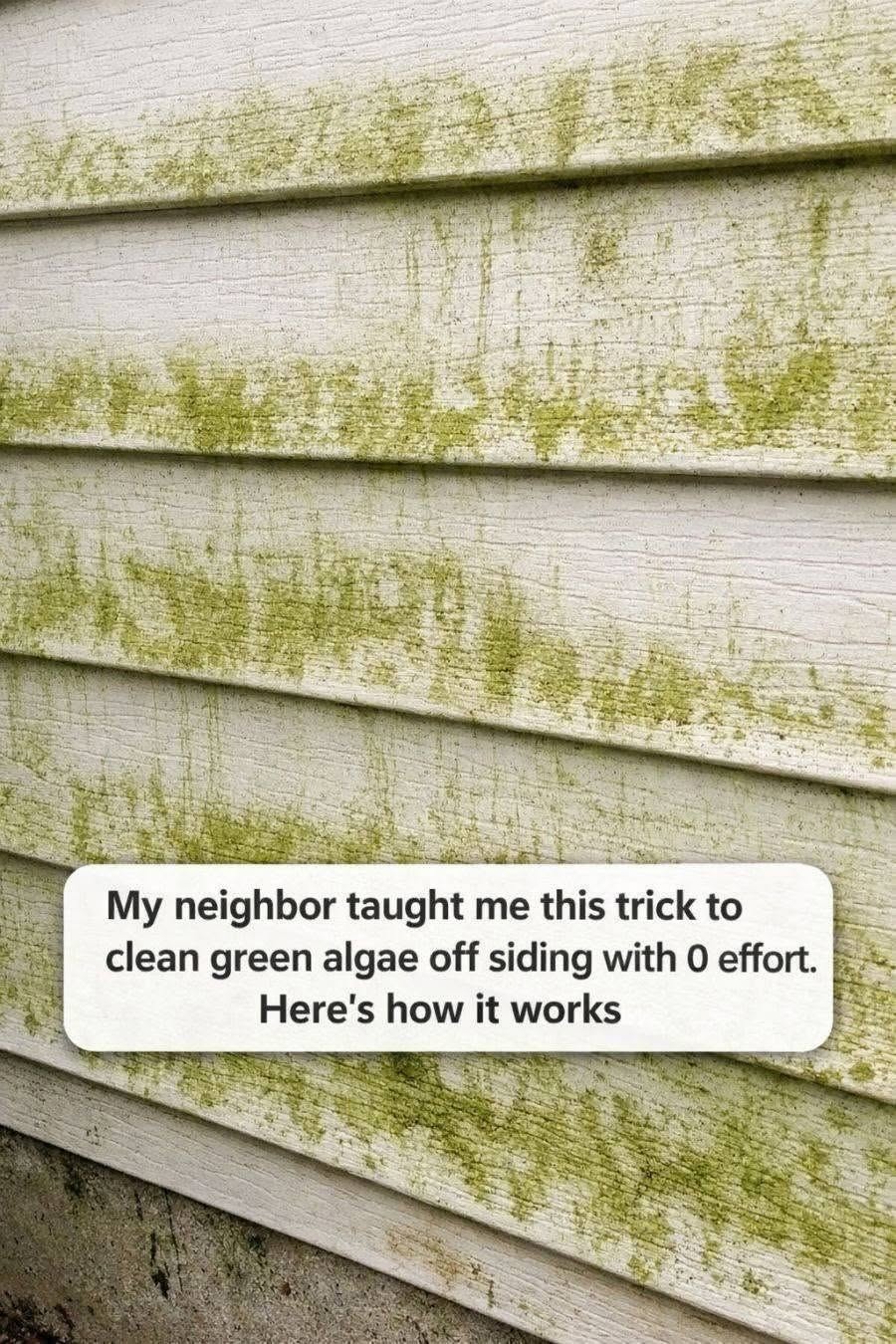
If you’ve noticed green streaks, stains, or patches appearing on your home’s exterior siding, you’re not alone. Green algae growth is a common problem in many regions, especially in areas with high humidity, frequent rainfall, or limited sunlight.
While algae may seem harmless at first, it can make a home look older, dirtier, and poorly maintained. Fortunately, there are several effective ways to remove it without spending a fortune on professional cleaning services.
Let’s explore why algae develops, how to remove it safely, and what you can do to prevent it from coming back.
Why Does Green Algae Grow on Siding?
Algae thrive in environments that provide:
- Moisture
- Shade
- Organic debris
- Limited airflow
North-facing walls and areas shaded by trees are especially vulnerable because they tend to stay damp longer after rain.
Over time, microscopic algae spores settle on siding and begin to multiply, creating visible green discoloration.
Is Algae Harmful to Your Home?
In many cases, algae are primarily a cosmetic issue.
However, allowing heavy growth to remain for long periods can lead to:
- Stained surfaces
- Trapped moisture
- Increased dirt accumulation
- Reduced curb appeal
Regular cleaning helps preserve the appearance and condition of your home’s exterior.
The Popular Cleaning Solution
Many homeowners use a simple cleaning mixture to remove algae from siding.
A common recipe includes:
Ingredients
- Water
- Mild detergent
- White vinegar or an exterior cleaning product
The cleaning solution helps loosen algae and dirt while minimizing damage to siding materials.
How to Clean Algae from Siding
Step 1: Protect Surrounding Plants
Before cleaning:
- Cover delicate plants if necessary.
- Wet nearby vegetation with water.
This helps reduce the chance of cleaning solutions affecting landscaping.
[adinserter block=”4″]
Step 2: Apply the Cleaning Solution
Using a garden sprayer or soft brush:
- Apply the mixture evenly.
- Focus on algae-covered areas.
- Allow the solution to sit for several minutes.
This gives it time to break down buildup.
Step 3: Gently Scrub
Use a soft-bristle brush to remove stubborn patches.
Avoid abrasive tools that may scratch siding surfaces.
Step 4: Rinse Thoroughly
Use a garden hose to rinse away loosened algae and cleaning residue.
Work from top to bottom for the best results.
What About Pressure Washers?
Pressure washers can be effective but require caution.
Improper use may:
- Force water behind siding
- Damage vinyl panels
- Remove paint
- Cause surface wear
If using a pressure washer, follow manufacturer recommendations and use appropriate settings.
Why Some People Call It “Zero Effort”
Many viral cleaning articles exaggerate results by suggesting algae disappears instantly.
In reality:
- Most solutions need time to work.
- Some brushing is often required.
- Heavy buildup may need multiple treatments.
The process can be relatively easy, but it is rarely completely effortless.
Preventing Algae from Returning
Once siding is clean, several steps can help reduce future growth.
Trim Overhanging Branches
More sunlight helps surfaces dry faster.
Improve Airflow
Reducing dense vegetation near walls can decrease moisture retention.
Clean Gutters Regularly
Overflowing gutters may create damp conditions that encourage algae.
Wash Siding Periodically
Routine maintenance prevents major buildup.
Common Mistakes to Avoid
Avoid:
- Using excessively harsh chemicals
- Mixing cleaning products without proper knowledge
- Scrubbing aggressively
- Ignoring manufacturer recommendations for siding materials
Gentle cleaning is often more effective and safer in the long run.
When Professional Help May Be Needed
Consider professional exterior cleaning if:
- Algae covers large areas
- Stains have become deeply embedded
- The home has multiple stories
- Safety concerns make DIY cleaning difficult
Professionals have equipment and experience that may simplify larger jobs.
[adinserter block=”5″]