
One reason people notice a flavor difference is because cane sugar and high-fructose corn syrup are produced differently.
Cane sugar comes directly from sugar cane plants and has been used in soft drinks for generations. High-fructose corn syrup, on the other hand, became more common in the food industry because it is often cheaper and easier to produce in large quantities.
Although both ingredients provide sweetness, many consumers believe cane sugar creates a cleaner and more balanced flavor experience.
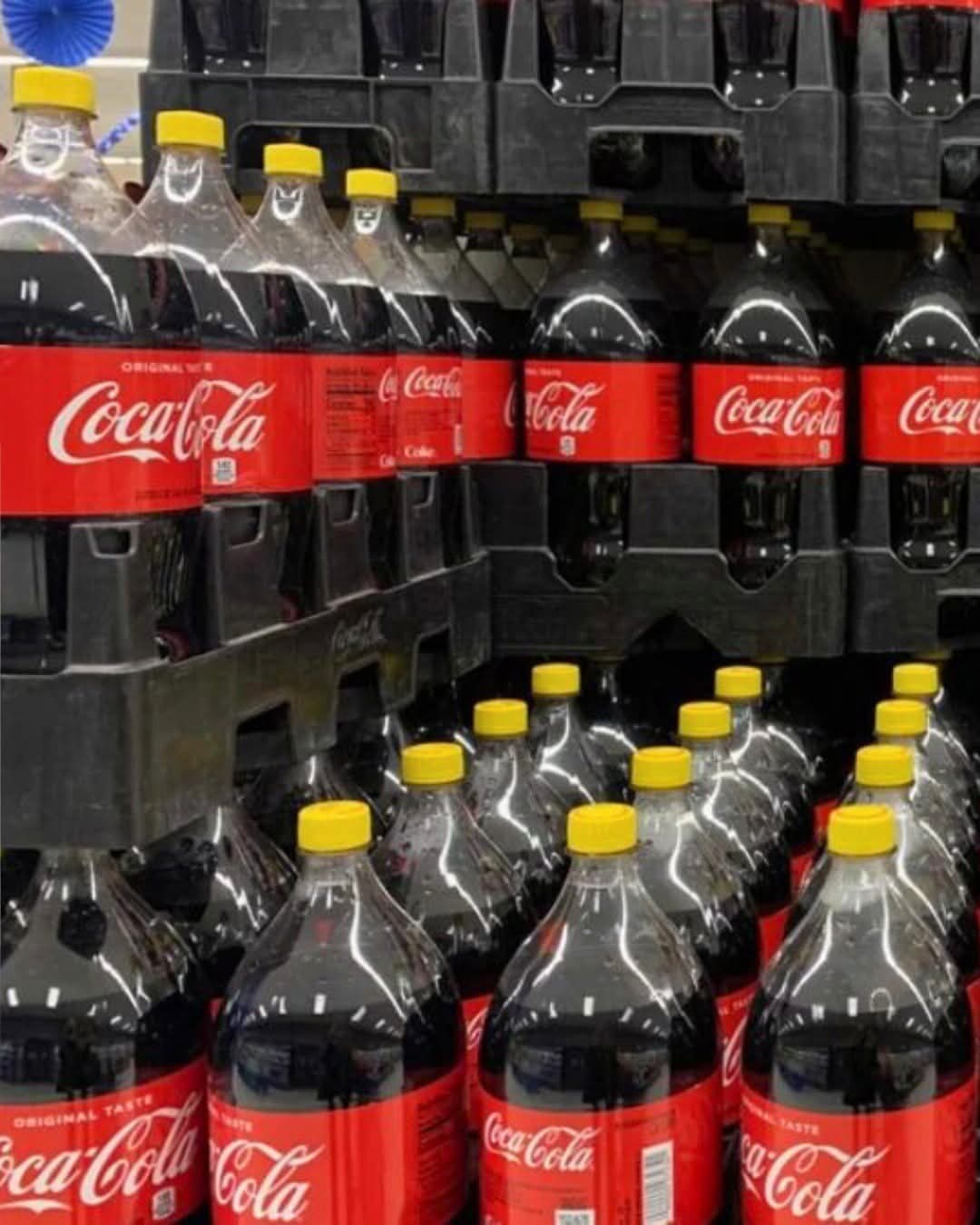
This debate has existed for years among soda lovers, and the yellow-cap Coca-Cola has become one of the most talked-about examples.
Similar to Mexican Coca-Cola
The yellow-cap bottles are often compared to Mexican Coca-Cola, another version famous for using cane sugar instead of corn syrup.
Many Coca-Cola enthusiasts specifically search for Mexican Coke because they prefer its taste. When the yellow-cap Passover bottles appear in stores, some people consider them a more accessible alternative with a similar flavor profile.
As a result, the bottles attract attention from collectors, soda fans, and curious shoppers alike.
How to Recognize the Special Bottles
If you want to identify these seasonal Coca-Cola bottles, there are several easy signs to look for:
A bright yellow bottle cap
Special kosher labeling on the bottle
Availability mainly during springtime
Placement in stores with kosher or international food sections
The bottles are usually sold for a limited period around the Passover season and may disappear quickly due to high demand.
More Than Just a Bottle Cap
What seems like a small design change actually carries cultural, historical, and religious importance. It shows how global companies sometimes adapt their products to respect traditions followed by millions of people around the world.
The yellow cap is more than a packaging detail — it represents inclusion, tradition, and the connection between food and cultural identity.
It also demonstrates how even the smallest changes in ingredients can create massive curiosity among consumers. A simple bottle cap color has sparked discussions online, inspired countless social media posts, and turned a seasonal Coca-Cola variation into something many people eagerly wait for each year.
The Internet’s Fascination With Yellow-Cap Coca-Cola
Every spring, photos of the yellow-cap bottles begin spreading online again. People share their discoveries, compare flavor opinions, and explain the meaning behind the unusual caps to confused shoppers.
Some people are surprised to learn the reason is connected to Passover. Others become interested in trying the drink themselves after hearing about the cane sugar recipe.
For many consumers, the yellow cap has transformed from a mysterious supermarket sight into one of the most interesting hidden stories in the beverage world.
So the next time you notice a Coca-Cola bottle with a yellow cap, you’ll know there is much more behind it than a simple packaging change. It represents a decades-old tradition, a recipe adjustment made for religious observance, and a seasonal favorite that countless people look forward to every single year.
