
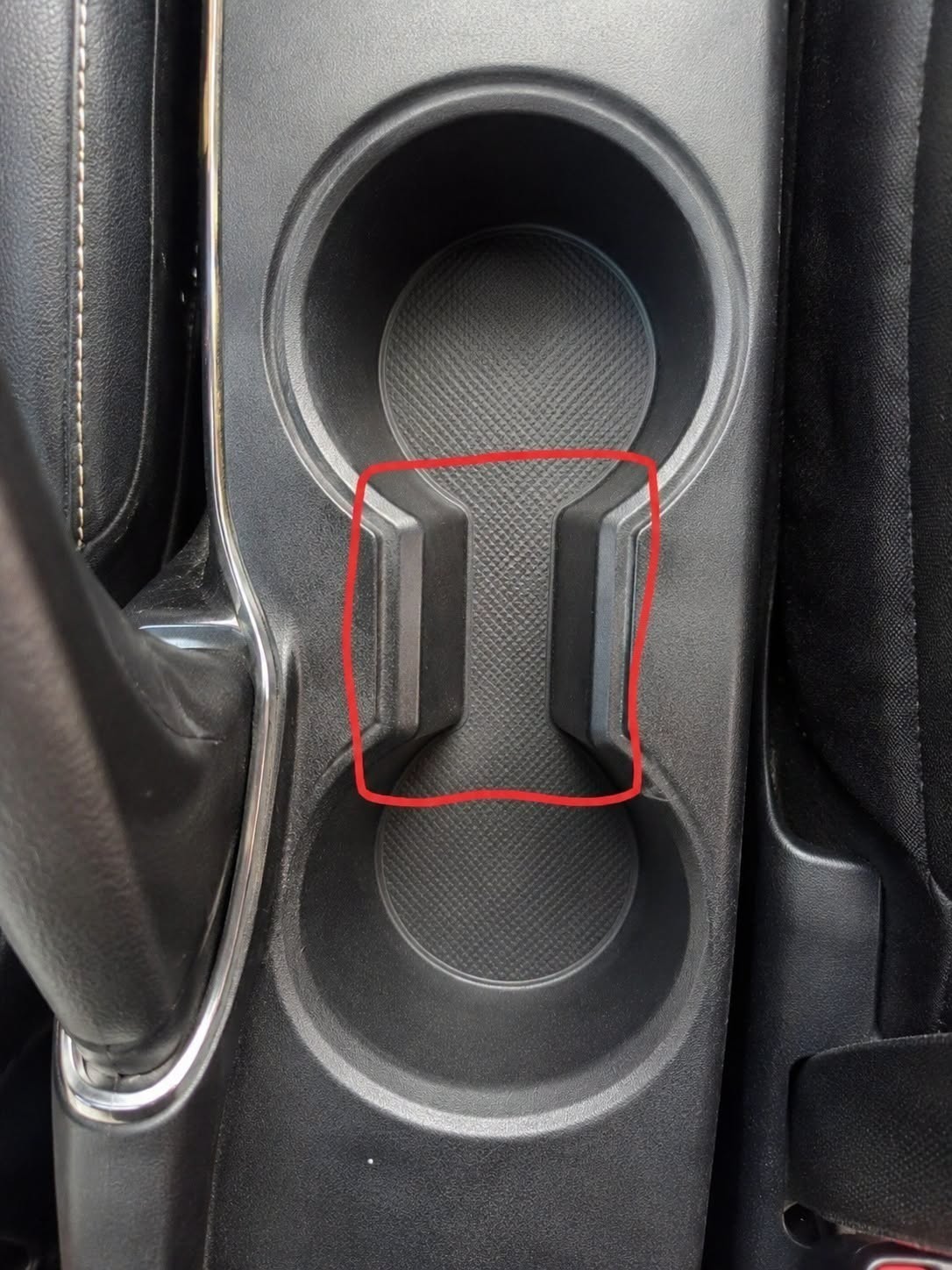
Every driver knows the feeling. You’re at a red light, reaching for your phone, and it slips — tumbling sideways into that narrow dark abyss between your seat and the center console. Gone. Sometimes forever.
That gap is one of the most universally frustrating design quirks in modern cars. But why does it exist in the first place? Is it a design flaw? An engineering oversight? Or is there actually a reason for it?
Here’s everything you need to know about that mysterious gap — what causes it, why it exists, and most importantly, how to stop losing things in it forever.
Why Does the Gap Exist?
The short answer is: it’s an unavoidable byproduct of how modern car seats are designed and installed.
For most of automotive history, cars used a single bench seat that stretched across the full width of the vehicle — no gap, no problem. But as bucket seats became the standard in modern vehicles, a fundamental challenge emerged. Individual seats need to slide forward and backward to accommodate drivers and passengers of different heights and leg lengths. They also need to recline, raise, lower, and in many vehicles, swivel or fold.
All of that movement requires clearance. The seat cannot be flush against the center console because if it were, the seat couldn’t slide or adjust without grinding against it. The gap is the space that makes your seat adjustments physically possible.
According to patent filings for seat gap filler devices, automotive engineers have long acknowledged the problem: closing the gap entirely through vehicle design requires significantly increased manufacturing complexity, additional seating material, and higher fabrication costs. The gap, frustrating as it is, is currently the most practical and cost-effective engineering solution.
So the next time your phone disappears into that void, know that it didn’t fall because of carelessness in the factory. It fell because your seat needs room to move.
What Exactly Falls Down There?
If you’ve never actually looked into the gap, you might be surprised by what’s accumulated down there over the months and years. Drivers have reported finding:
Coins and loose change — sometimes significant amounts over time
Phone and charging cables
Sunglasses and cases
Receipts, cards, and important documents
Lip balm, makeup, and personal care items
Snacks, wrappers, and crumbs
Keys — including car keys, which is particularly inconvenient
Pens, pencils, and styluses
Earbuds and small electronics
One forum poster memorably described the gap as a “forced savings mechanism” — joking that the only real problem arose when car keys disappeared into it before keyless entry made that concern obsolete. Others have described reaching under their seats from the rear passenger area to retrieve wallets that slid through in a moment of distraction.
Is It a Safety Issue?
