
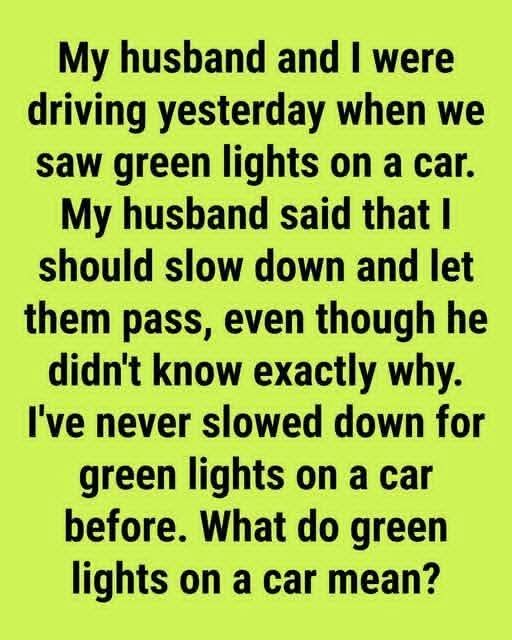
What Do Green Lights on Cars Mean? Understanding Their Purpose
Most drivers are familiar with red and blue emergency lights, but green lights on vehicles often raise questions. While they are not as common, green lights can serve important purposes depending on local laws and regulations. Their meaning may vary from one region to another, but they are often associated with medical transportation services, volunteer emergency responders, or special emergency support vehicles.
Why Are Green Lights Used?
Green lights are typically used to help identify vehicles that play a role in emergency response or medical services. Unlike traditional emergency vehicles such as police cars, fire trucks, and ambulances, vehicles displaying green lights may not always have special traffic privileges. Instead, the lights help alert other road users to the vehicle’s role and purpose.
Medical Transport Vehicles
One of the most common uses of green lights is on medical transport vehicles. These vehicles are often responsible for transporting patients who need medical assistance but are not experiencing life-threatening emergencies.
Medical transport services may carry elderly individuals, people with disabilities, patients attending medical appointments, or those requiring specialized care. The green lights help make these vehicles more recognizable on the road and can improve visibility during transport operations.
Volunteer Emergency Responders
In some communities, volunteer firefighters, emergency medical technicians, and other emergency personnel may use green lights on their personal vehicles when responding to emergencies. The lights serve as a signal that the driver is traveling to assist with an emergency situation.
Although these responders are performing important duties, they are often required to obey normal traffic laws and may not have the same legal authority as official emergency vehicles operating with sirens and flashing red or blue lights.
Incident Command and Support Vehicles
Green lights may also be used by certain support vehicles involved in emergency management. These vehicles can assist at accident scenes, natural disasters, public safety operations, or large community events. Their lighting helps identify their role and improves visibility, especially during nighttime operations.
What Should You Do If You See Green Lights?
If you notice a vehicle displaying green lights, the best approach is to remain attentive and drive responsibly. Avoid sudden lane changes, maintain a safe following distance, and allow the vehicle room to maneuver when possible.
Even though green-light vehicles may not always have special road privileges, giving them extra space can help them perform their duties safely and efficiently.
Conclusion
Green lights on vehicles are often linked to medical transportation services, volunteer emergency responders, and support units involved in public safety operations. While their exact meaning can differ depending on local regulations, they generally serve as an identification tool rather than a full emergency warning signal. Understanding what these lights represent can help drivers stay informed, improve road safety, and show consideration for those providing important community services.
