
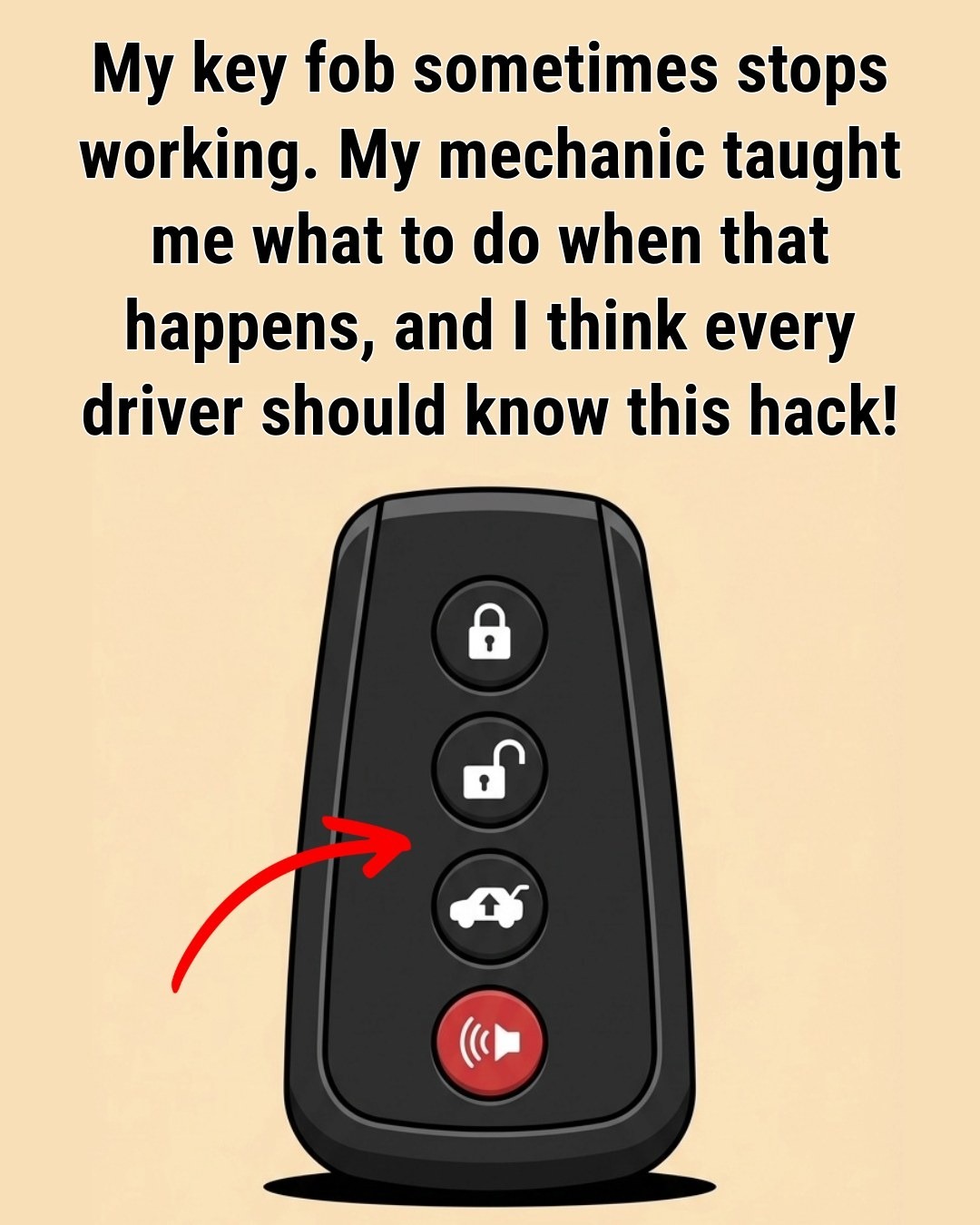
Key fobs can sometimes lose their paired connection with your vehicle — this is more common than most people realize. It can happen after a battery replacement, after your car’s own battery dies and is replaced, or following a software update to your vehicle’s electronics. When this happens, the fob is physically fine but the car simply no longer recognizes it.
Reprogramming steps vary by make and model, but many vehicles allow you to do this yourself. The process typically involves:
Sitting in the car with all doors closed
Inserting the physical key and turning it to the ON position a specific number of times
Pressing a button on the fob at the right moment
Check your vehicle owner’s manual for the exact sequence, or search your car’s make, model, and year along with “key fob reprogramming” online. For vehicles that require a dealer tool to reprogram, a licensed automotive locksmith can often do it at a significantly lower cost than going to the dealership.
Hack #5: Inspect the Buttons and Internal Contacts
If your fob works sometimes but not others, and pressing certain buttons doesn’t always register, the buttons themselves may be the problem. Heavy daily use wears down the rubber button membranes over time, and the small metal contact points underneath can corrode or become misaligned.
Open the fob carefully and inspect the interior:
Look for any visible damage to the circuit board
Check for corrosion — greenish or dark discoloration on the contacts
Clean the contacts gently with a cotton swab dipped in rubbing alcohol
Check that all internal components are seated properly and nothing has come loose
Sometimes simply cleaning the contacts and reassembling the fob is enough to restore full function. Key fob repair kits are also available online for under $10 and can replace worn button membranes and shells without replacing the entire unit.
Hack #6: Test With Your Spare Fob
If you have a second key fob for your vehicle, use it now. This is the fastest way to determine whether the problem lies with the fob itself or with your car’s receiver system.
If the spare works perfectly, the issue is isolated to your original fob — and the fixes above should resolve it or point you toward a replacement
If the spare also fails to work, the problem is likely with your car’s central locking receiver, its antenna, or the vehicle’s electrical system — and that requires professional diagnosis
This single test saves enormous time and prevents you from replacing a perfectly good fob when the real issue is on the car’s side.
Hack #7: Use the Hidden Manual Key
Almost every key fob contains a physical backup key hidden inside it. Look for a small button or tab on the side of the fob — pressing or sliding it releases a traditional metal key that can physically unlock your door.
This won’t help with push-button start, but it gets you inside your car in an emergency while you troubleshoot the electronic issue. Once inside, many vehicles with push-start also have a backup start method using the physical key — check your owner’s manual for your specific vehicle.
When to Call a Professional
Most key fob problems are genuinely DIY-fixable with the steps above. But there are situations where professional help is the right call:
The battery is new, reprogramming has been completed, and the fob still doesn’t work
Physical inspection reveals a cracked circuit board or severe corrosion damage
Both of your key fobs have stopped working simultaneously
Your car’s dashboard shows a “Key Not Detected” warning that won’t clear
The issue is intermittent and unpredictable despite all troubleshooting attempts
In these cases, an automotive locksmith is typically far less expensive than a dealership and can handle everything from reprogramming to full replacement. Many offer mobile services, meaning they come to you.
How to Prevent Key Fob Failures in the Future
A few simple habits can extend your key fob’s lifespan and help you avoid being caught off guard:
Replace the battery proactively every two years — even if the fob still seems to be working fine
Keep it dry — store it away from water, and use a protective case if you’re frequently near pools, rain, or washing machines
Avoid sitting on it or storing it where it gets regularly compressed or dropped
Keep a spare and test it a few times per year to make sure it’s still functional
Reprogram promptly if your car battery is replaced or reset
The Bottom Line
A key fob that stops working feels like a crisis — but in most cases, it’s anything but. The fix is often as simple as a $3 battery from your nearest store, a quick reprogram sequence, or moving away from an area with signal interference.
