
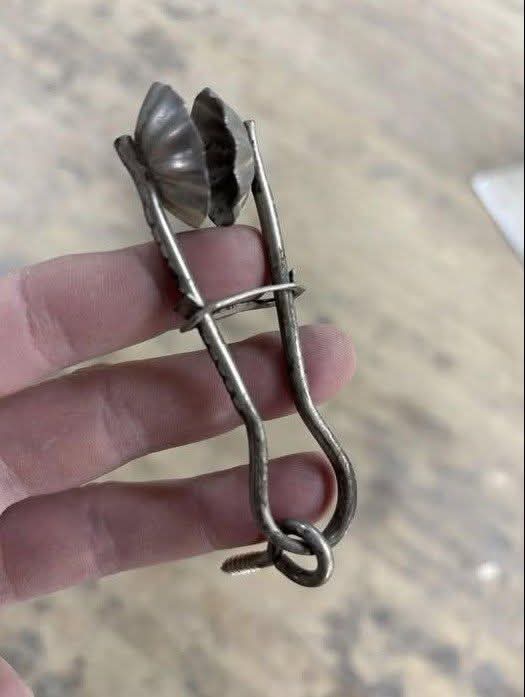
The Vintage Sugar Tongs: A Small Tool with a Big History
In a world where modern conveniences dominate our daily routines, many charming tools from the past have quietly faded into obscurity. One such item is the vintage sugar tongs—a small yet elegant utensil that once played an important role in tea and coffee culture.
At first glance, sugar tongs may seem like a simple tool. Typically made of metal and designed with a spring mechanism, they feature small spoon-like or claw-shaped ends that allow users to gently pick up sugar cubes. Before granulated sugar became common in households, sugar was often served in solid cubes. Using fingers to handle sugar was considered unhygienic and improper, especially in formal settings. This is where sugar tongs became essential.
These tongs were especially popular during the 18th and 19th centuries in Europe, where tea drinking was not just a habit, but a social ritual. Hosting guests for tea required attention to detail, and presentation mattered. Sugar tongs added a touch of refinement and elegance, allowing hosts to serve sugar cubes gracefully without direct contact.
Beyond their practical use, vintage sugar tongs were often beautifully crafted. Many featured intricate designs, engravings, or decorative finishes, making them not just functional tools but also collectible pieces. Today, they are appreciated by antique enthusiasts and collectors who admire their craftsmanship and historical significance.
Although they are no longer a necessity in modern kitchens, sugar tongs remain a symbol of a more refined era. They remind us of a time when even the smallest details in daily life were handled with care and style.
Whether displayed as a decorative item or used for special occasions, vintage sugar tongs continue to carry a unique charm that connects us to the traditions of the past
