
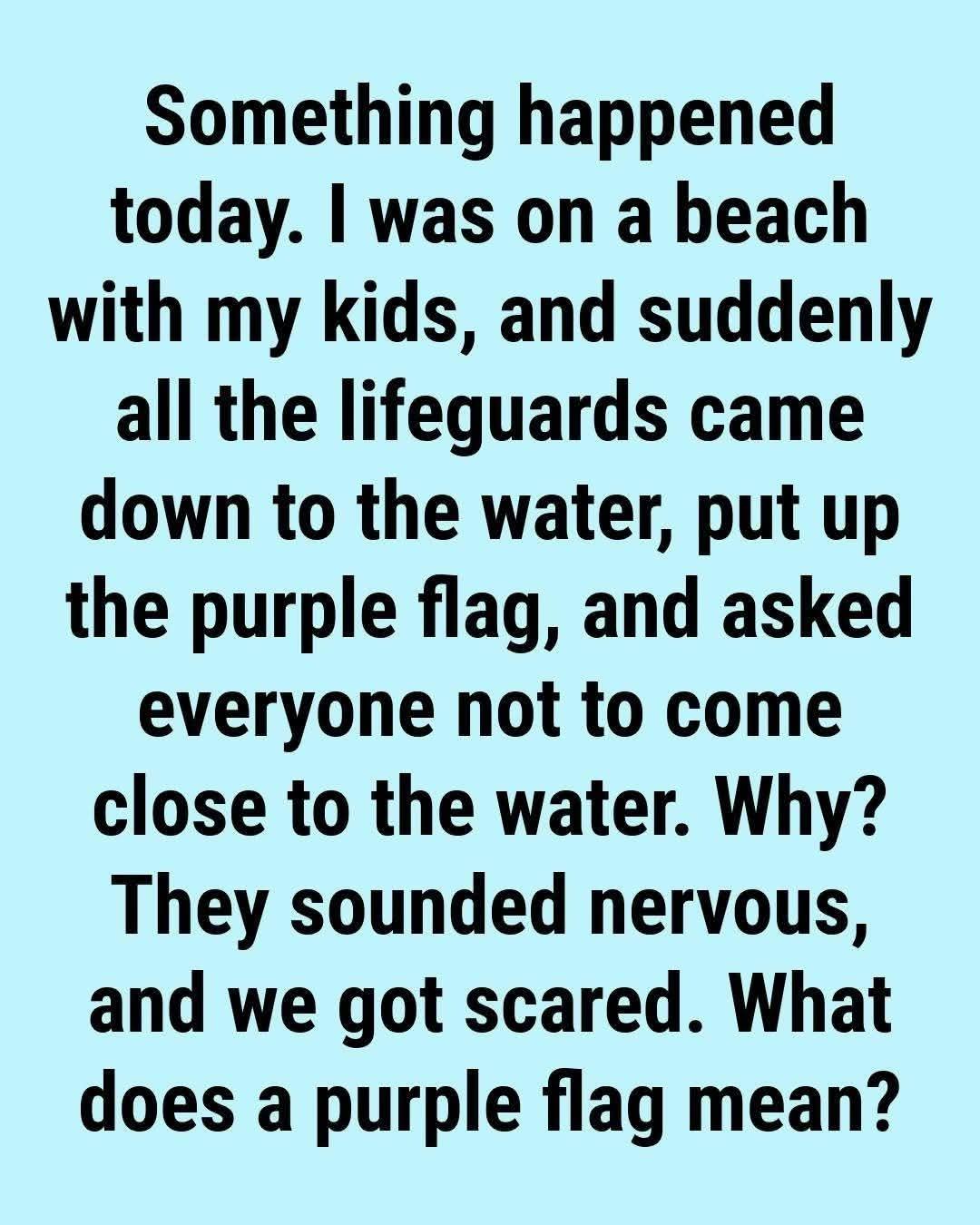
The Purple Flag at the Beach: What It Really Means and Why You Should Pay Attention
When visiting the beach, most people pay attention to the weather, the waves, and the water conditions. However, many overlook the warning flags displayed along the shoreline. These flags are an important safety system used by lifeguards and beach authorities to communicate potential hazards to visitors.
One of the least understood warning signals is the purple flag. While it may not seem as alarming as a red flag, it carries an important message that every beachgoer should know.
What Does a Purple Flag Mean?
A purple flag is typically used to warn beach visitors about the presence of potentially dangerous marine life in the area. This does not necessarily mean there is an immediate emergency, but it indicates that certain sea creatures have been spotted nearby and caution is advised.
These creatures may include:
Jellyfish
Stingrays
Portuguese man o’ war
Sea lice
Certain species of fish
Other marine animals that could cause injury or irritation
The purpose of the flag is to alert swimmers so they can make informed decisions before entering the water.
Why Is the Warning Important?
Many marine animals are not aggressive, but accidental contact can lead to painful stings, cuts, allergic reactions, or other injuries. Even small creatures can cause significant discomfort if touched.
A purple flag helps reduce the risk of unexpected encounters by informing visitors that marine life activity has been observed in the area.
Should You Stay Out of the Water?
Not necessarily.
A purple flag does not automatically mean the beach is closed or that swimming is prohibited. Instead, it serves as a warning to exercise caution. Lifeguards may continue to allow swimming while encouraging visitors to remain alert and avoid disturbing marine animals.
Before entering the water, it is always a good idea to speak with lifeguards about current conditions and any specific risks that have been reported.
Other Common Beach Flags
Understanding the full flag system can help keep you safe:
Red Flag
Indicates dangerous water conditions such as strong currents, rough surf, or hazardous waves.
Double Red Flag
The water is closed to the public, and swimming is prohibited.
Yellow Flag
Signals moderate hazards. Swimmers should use caution.
Green Flag
Generally indicates calm conditions and a lower level of risk.
Purple Flag
Warns of potentially dangerous marine life in the area.
How to Stay Safe
If a purple flag is flying:
Watch for posted warnings and notices.
Listen to lifeguard instructions.
Avoid touching unfamiliar marine creatures.
Wear protective footwear when walking in shallow water.
Stay alert while swimming.
Supervise children closely near the shoreline.
Final Thoughts
The purple flag may not be as widely recognized as other beach warning flags, but it serves an important purpose. It alerts visitors to the presence of potentially hazardous marine life and encourages extra caution while enjoying the water. Understanding what this flag means can help prevent injuries and ensure a safer, more enjoyable day at the beach for everyone.
