
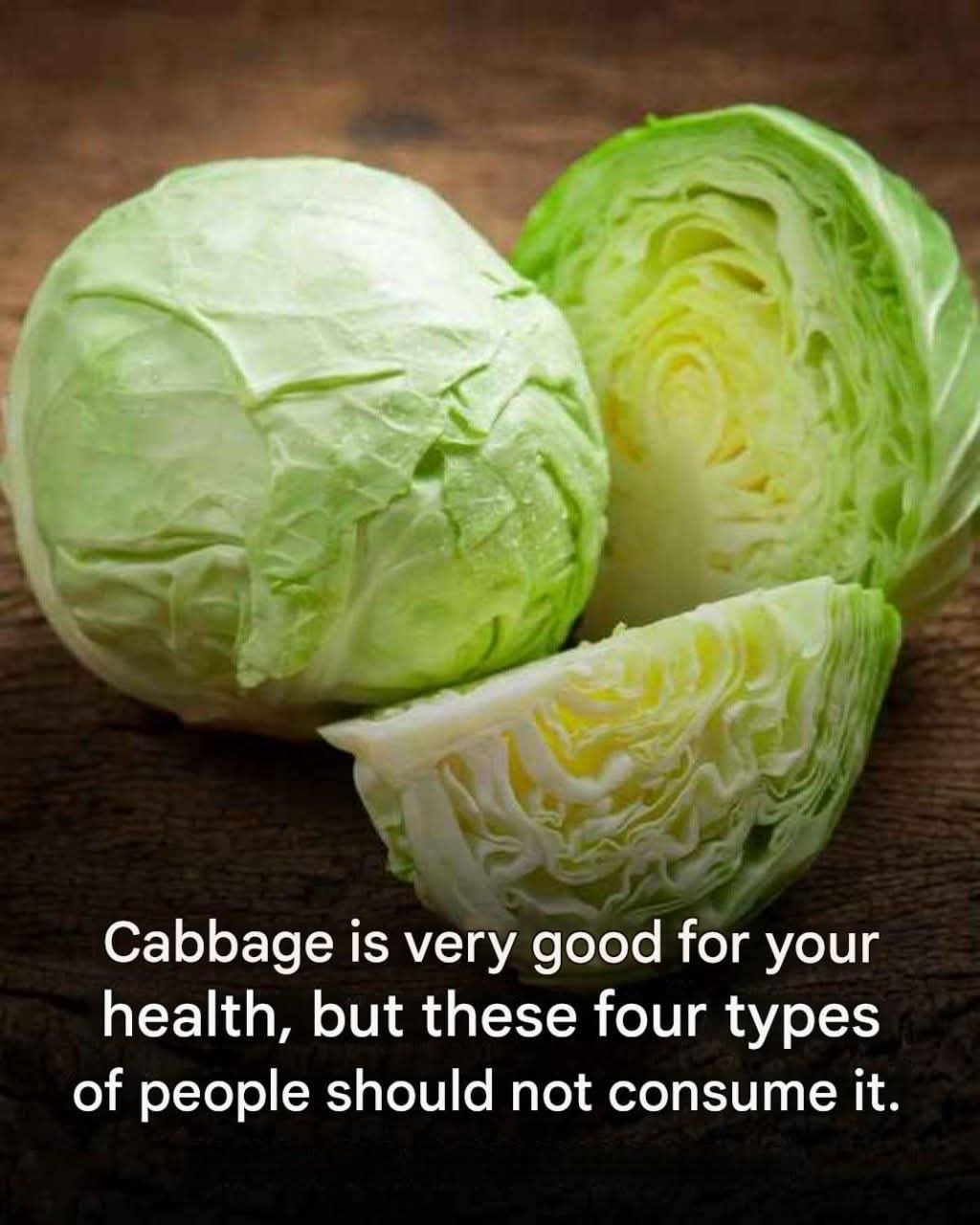
4 Types of People Who Should Avoid Eating Cabbage
Cabbage is known as a healthy vegetable packed with vitamins, fiber, and antioxidants. It supports digestion, boosts immunity, and is low in calories. However, despite all its benefits, cabbage is not suitable for everyone.
Here are four types of people who should limit or avoid eating cabbage:
1. People with Thyroid Problems (Hypothyroidism)
Cabbage contains compounds called goitrogens, which can interfere with thyroid function. These compounds may reduce the body’s ability to absorb iodine, which is essential for proper thyroid hormone production. For people with an underactive thyroid, eating large amounts of cabbage—especially raw—can worsen the condition.
2. People with Digestive Disorders (like IBS)
Cabbage is high in fiber and fermentable carbohydrates, which can cause bloating, gas, stomach cramps, and diarrhea. People with sensitive digestive systems or conditions like Irritable Bowel Syndrome (IBS) may find cabbage difficult to tolerate.
3. People with Gastrointestinal Issues or Recent Surgery
Due to its high fiber content, cabbage can be hard to digest. It may irritate the digestive tract and worsen conditions like colitis, ulcers, or pancreatitis. It’s also not recommended for people recovering from gastrointestinal surgery.
4. People Prone to Kidney Stones
Cabbage contains compounds like oxalates and purines, which may contribute to the formation of kidney stones in some individuals. People with a history of kidney stones should consume cabbage in moderation.
