
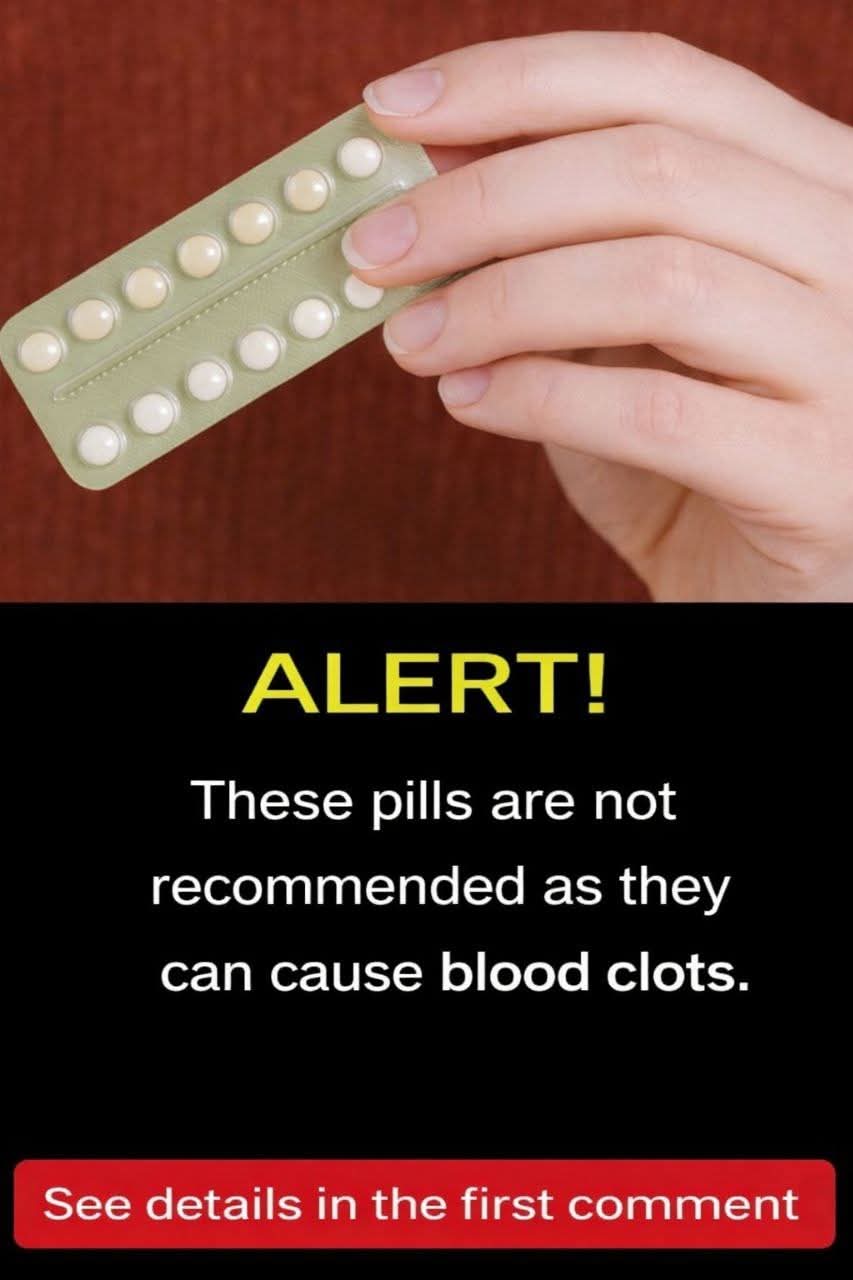
These Common Pills May Increase the Risk of Blood Clots — Here’s What You Should Know
Millions of women around the world use hormonal birth control every day, often without experiencing serious side effects. However, medical experts continue to warn that some contraceptive pills may slightly increase the risk of dangerous blood clots in certain individuals.
Although the risk is considered low for most healthy women, understanding the symptoms and risk factors is extremely important.
Why Can Birth Control Pills Increase Clot Risk?
Some birth control pills contain estrogen, a hormone that can affect the body’s natural clotting process. In some cases, this may increase the chance of developing blood clots in veins or arteries.
These clots can sometimes form in the legs, lungs, or other parts of the body. While rare, severe cases can become life-threatening if not treated quickly.
Warning Signs You Should Never Ignore
Blood clots can develop suddenly, and the symptoms are often mistaken for less serious problems.
Common warning signs may include:
Swelling in one leg
Pain or tenderness in the calf
Sudden chest pain
Trouble breathing
Severe headaches
Dizziness
Sudden vision changes
Unusual warmth or redness in the leg
Doctors say immediate medical attention is important if these symptoms appear unexpectedly.
Who May Be at Higher Risk?
Certain factors can increase the chances of developing blood clots while taking hormonal contraceptives.
These risk factors may include:
Smoking
Being over age 35
Obesity
Family history of clotting disorders
Long periods of inactivity
Previous blood clot history
High blood pressure
Women who smoke while using estrogen-based birth control are often considered at significantly higher risk.
Not All Pills Carry the Same Risk
Different birth control pills contain different hormone combinations. Some formulations may carry a higher clotting risk than others depending on the type and dosage of hormones used.
In many cases, doctors may recommend lower-risk alternatives for women who have certain health conditions or family histories.
The Overall Risk Is Still Low
Health experts emphasize that serious blood clots remain uncommon for most users. Many women use birth control safely for years without complications.
However, awareness remains important because early detection can prevent severe outcomes.
Why Understanding the Risks Matters
Many people start medications without fully understanding possible side effects. Learning the warning signs and discussing personal risk factors with a healthcare professional can help people make safer and more informed decisions.
Sometimes paying attention to small symptoms early can make a very big difference later.
