
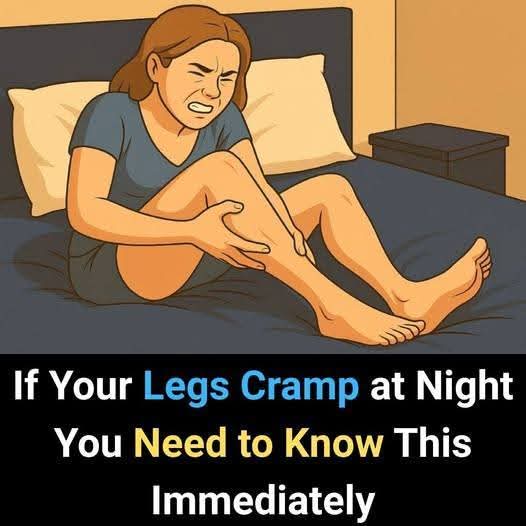
Nighttime Leg Cramps
Nighttime leg cramps are sudden, painful contractions of the muscles in your legs, usually in the calves, that often occur while sleeping or resting. They can last from a few seconds to a few minutes and may leave your muscle sore afterward.
📌 Common Causes
Muscle Overuse or Fatigue – Overworking your leg muscles during the day through exercise, standing, or walking can trigger cramps at night.
Age & Pregnancy – These cramps are more common in older adults and pregnant women.
Dehydration & Electrolyte Imbalance – Low levels of potassium, calcium, or magnesium can make cramps more likely.
Prolonged Sitting or Standing – Staying in one position for too long can reduce circulation and cause cramps.
Medication Side Effects – Certain medicines, like diuretics or cholesterol-lowering drugs, may increase the risk of cramps.
🛏️ How to Relieve a Cramp
If a cramp happens at night, try:
Gently stretching the affected muscle, for example, flex your foot upward if your calf cramps.
Massaging the muscle to increase blood flow.
Applying warmth, such as a warm towel or heating pad.
🛡️ Tips to Prevent Nighttime Leg Cramps
Stretch Before Bed: Light stretches for calves and thighs can reduce cramps.
Stay Hydrated: Drink enough water throughout the day.
Balanced Diet: Eat foods rich in potassium (bananas, avocados), magnesium, and calcium to support healthy muscle function.
Gentle Exercise: Low-impact activity like walking or cycling helps keep leg muscles relaxed.
Limit Caffeine and Alcohol at Night: These can interfere with hydration and muscle relaxation.
⚠️ When to See a Doctor
Consult a healthcare provider if:
The cramps are severe or very frequent.
They disrupt your sleep regularly.
You have muscle weakness or other unusual symptoms.
Most nighttime leg cramps are harmless, but consistent or severe cramps should be evaluated to rule out underlying conditions.
