
If You Suffer from Poor Circulation in Your Legs, Here’s What You Need to Know
Poor circulation in the legs is a common problem that affects many people. It often causes discomfort such as heaviness, swelling, numbness, or a tingling sensation—especially after sitting or standing for long periods.
While many quick remedies are shared online, not all of them actually solve the problem. Understanding the real causes and effective solutions is key to improving your condition.
Common Symptoms of Poor Circulation
You may be experiencing poor circulation if you notice:
Swelling in your feet or legs
A heavy or tired feeling
Tingling or numbness
Muscle cramps, especially while walking
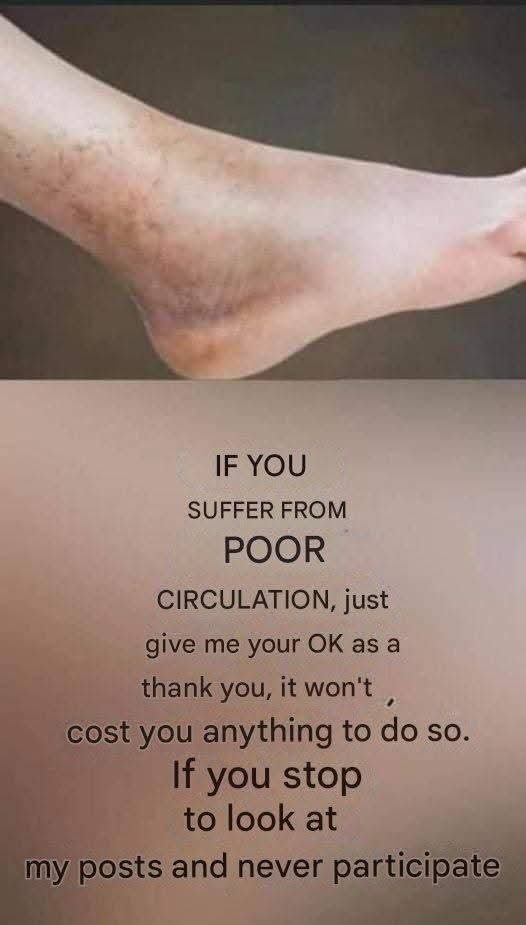
Cold feet or changes in skin color
These symptoms usually happen when blood flow to the lower body is reduced.
The Truth About “Quick Fixes”
Some people use creams or topical products to relieve these symptoms. While they may create a cooling or soothing feeling, they don’t actually improve blood circulation.
These effects are temporary and mostly affect how your skin feels, not how your blood flows.
What Actually Helps Improve Circulation
Instead of relying on quick fixes, focus on simple daily habits that truly make a difference:
1. Stay Active
Regular movement is essential. Walking, stretching, or light exercise helps improve blood flow and reduce discomfort.
2. Elevate Your Legs
Raising your legs above heart level for a few minutes each day can help reduce swelling and support circulation.
3. Drink Enough Water
Proper hydration helps your blood flow more efficiently throughout your body.
4. Avoid Long Periods of Sitting or Standing
Try to change your position regularly to keep blood moving.
5. Wear Comfortable Clothing
Tight clothing or shoes can restrict circulation and make symptoms worse.
When to Take It Seriously
Poor circulation should not be ignored if symptoms continue or get worse. In some cases, it can lead to more serious health issues.
If you experience ongoing pain, severe swelling, or unusual skin changes, it’s important to seek medical advice.
