
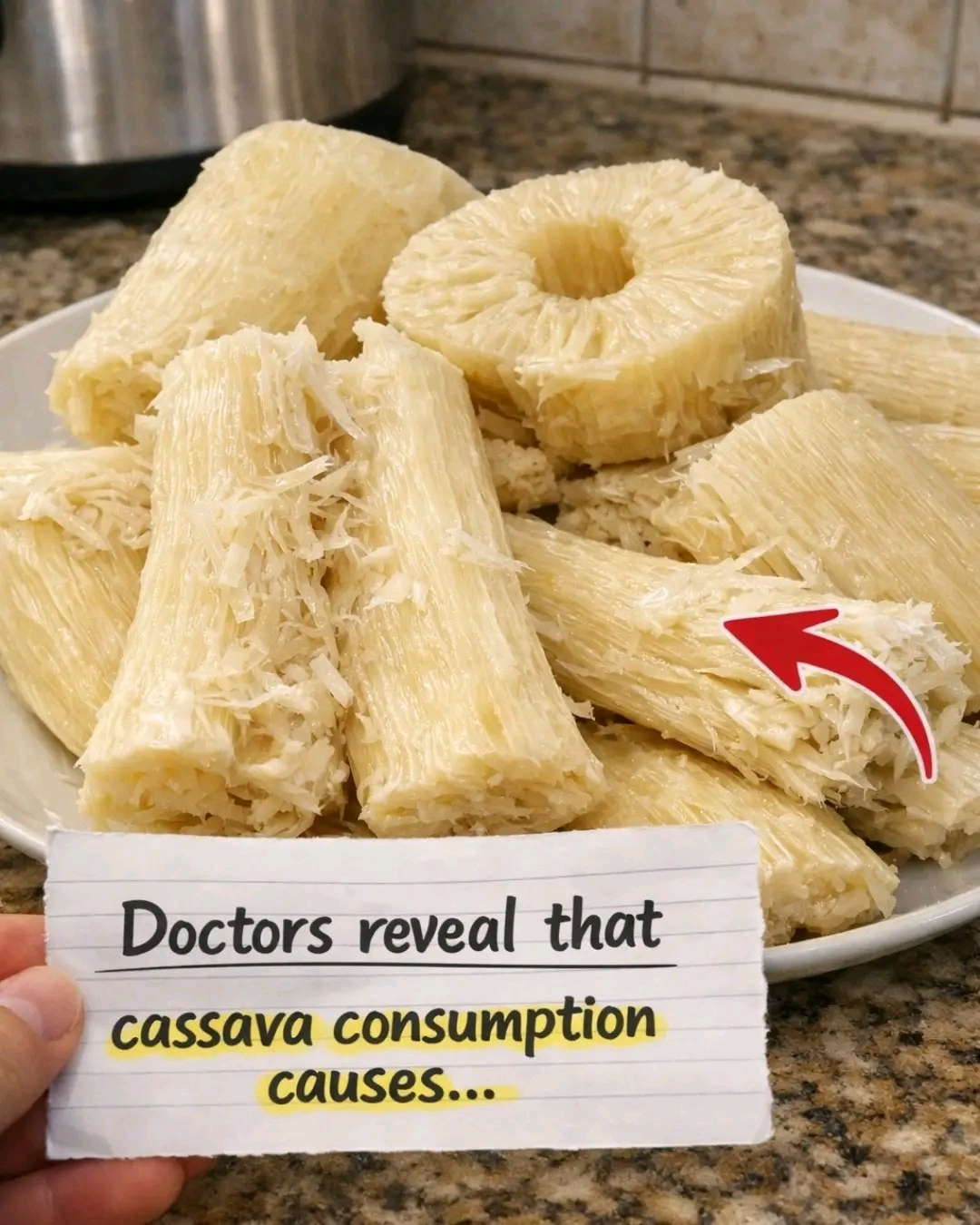
Doctors Reveal That Cassava Consumption Causes: What You Should Know Before Eating This Popular Root
Cassava is a tropical root vegetable that is widely eaten in many parts of the world. It is known for being rich in carbohydrates and is often used to make foods like flour, tapioca, and traditional dishes in Africa, Asia, and Latin America. While cassava can be a valuable food source, doctors say it is important to understand how to prepare it properly.
One of the main concerns with cassava is that it naturally contains compounds called cyanogenic glycosides. If cassava is eaten raw or not prepared correctly, these compounds can release small amounts of cyanide, which can be harmful to the body. This is why traditional preparation methods such as soaking, fermenting, drying, and cooking are very important before eating cassava.
When cassava is properly prepared and cooked, it is generally safe to eat and can provide energy because of its high carbohydrate content. However, eating large amounts of poorly processed cassava over time may lead to health problems such as digestive issues or nutrient deficiencies.
Another point doctors mention is that cassava is low in protein and some essential nutrients. Because of this, people who rely heavily on cassava as a main food should combine it with other foods like vegetables, beans, fish, or meat to maintain a balanced diet.
