
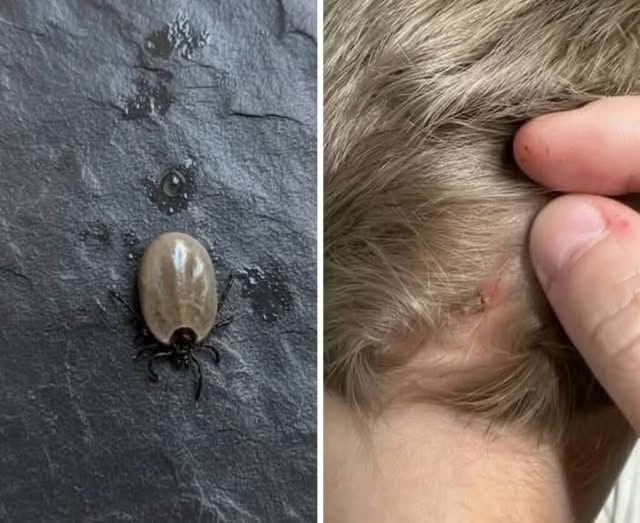
🤔 What Is That “Scalp Invader”?
That “weird bug” shown in viral posts is almost always:
👉 Head lice
✔ Tiny parasitic insects that live in hair
✔ Feed on small amounts of blood from the scalp
✔ Lay eggs (called nits) attached to hair strands
😬 Why It Looks Scary (But Isn’t Dangerous)
Let’s be clear:
✔ Lice are common in children
✔ They do NOT mean poor hygiene
✔ They are not dangerous and don’t spread diseases
👉 The main problem is discomfort (itching), not health risk
🧠 Signs Your Child Has Lice
Look for:
- Persistent itching (especially at night)
- Small white/yellow eggs stuck to hair
- Feeling like something is moving in the hair
👉 Eggs are often easier to see than the lice themselves
🔄 How Do Kids Get Lice?
Lice spread easily through:
- Head-to-head contact
- Sharing combs, hats, pillows
👉 They crawl, not jump or fly
🚨 What Parents Should Do (Step-by-Step)
1. Confirm It’s Lice
- Use a fine comb
- Check near ears and neck
2. Use Proper Treatment
- Medicated shampoo or lotion
- Follow instructions carefully
👉 These products are designed to kill lice effectively
3. Remove Eggs (Important!)
- Use a nit comb on wet hair
- Repeat every few days
4. Clean Personal Items
- Wash bedding and clothes in hot water
- Clean brushes and combs
5. Check the Whole Family
👉 Lice spread easily — others may have it too
⚠️ Common Myths (Debunked)
❌ “It means your child is dirty”
✔ False — lice affect clean and dirty hair
❌ “They can jump or fly”
✔ False — they only crawl
❌ “It’s dangerous”
✔ False — mostly harmless
