
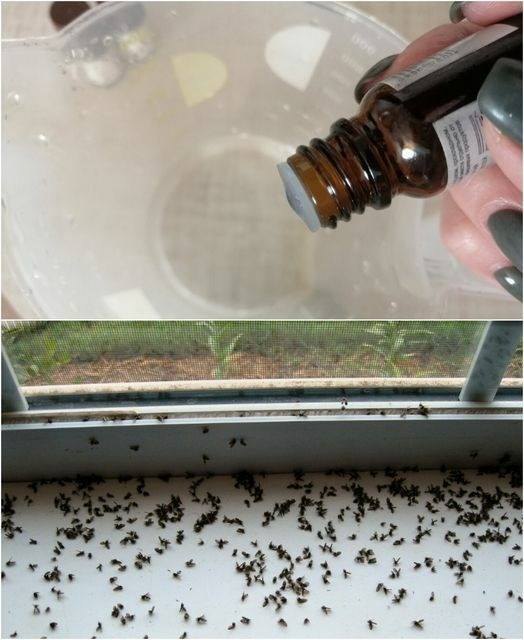
Pour two to three tablespoons of apple cider vinegar into a bowl or jar. Add three to four drops of dish soap and stir gently. Place near areas where flies are most active — on the kitchen counter, near the fruit bowl, beside the trash can, or under the sink.
The vinegar attracts the flies with its fermented scent. The dish soap breaks the surface tension of the liquid, so when flies land to investigate, they sink immediately and cannot escape. This trap works around the clock and catches flies continuously without any further effort.
For enhanced effectiveness, add a teaspoon of sugar to the mixture. Cover the top with plastic wrap and poke several small holes in it — the flies enter easily but cannot find their way back out.
Lavender Essential Oil Spray
Lavender is one of the most powerfully effective natural fly repellents, and it has the added benefit of making your home smell beautiful while eliminating the problem.
How to use it:
Add 15 drops of lavender essential oil to a spray bottle filled with water. Spray thoroughly around windows, door frames, curtains, and any area where flies enter or gather. You can also add a few drops to a diffuser and run it continuously in affected rooms.
For a longer-lasting barrier, soak strips of cloth or ribbon in lavender oil and hang them near windows and doorways. The scent releases slowly over days, creating a continuous repellent effect at every entry point.
Other essential oils that work equally well include:
Peppermint — intensely repellent to virtually all flying insects
Eucalyptus — particularly effective against larger houseflies
Lemongrass — creates a long-lasting aromatic barrier
Tea tree oil — antimicrobial and strongly repellent
Cayenne Pepper Spray
Cayenne pepper is one of the most effective and fast-acting natural fly repellents available — and it works on contact.
How to make it:
Mix one tablespoon of cayenne pepper into two cups of hot water. Stir thoroughly and let the mixture steep for 15 to 20 minutes so the pepper’s compounds fully infuse the water. Pour into a spray bottle.
Spray directly onto surfaces where flies land — windowsills, countertops, the edges of trash cans, and any entry points. The capsaicin in the cayenne creates an environment that flies find completely intolerable. Reapply every day or two for continuous protection.
The Pine Oil Trick
Pine oil is a powerful natural fly repellent and surface disinfectant that most people have never thought to use for pest control.
Soak several cotton balls in pine oil and place them in small dishes wherever flies are gathering. You can also add a few drops to a cloth and wipe down windowsills, door frames, and countertops. The strong pine scent is deeply repellent to flies and will cause them to clear the room rapidly.
As an added benefit, pine oil is antimicrobial — so it cleans and disinfects the surfaces it touches while repelling insects at the same time.
Natural Plant Barriers
Some of the most effective long-term fly prevention strategies involve growing specific plants near windows, doorways, and in the kitchen. Flies have an acute sensitivity to certain plant scents and will consistently avoid areas where these plants are present:
Basil — one of the most potent natural fly repellents. A pot of fresh basil on a kitchen windowsill or near a frequently used door is one of the simplest and most effective ongoing deterrents available. It also keeps your kitchen stocked with fresh herbs.
Mint — equally effective and incredibly easy to grow. Place pots of fresh mint near entry points and any area where flies congregate.
Lavender — works both as a live plant and as an essential oil. A lavender plant near a sunny window creates a beautiful, fragrant, and continuously effective fly barrier.
Marigolds — planted outdoors near doors and windows, marigolds repel flies and other insects before they even enter the home.
The Drain Solution
If flies are appearing consistently around your kitchen sink, bathroom drains, or anywhere near standing water — the source of the infestation may be inside the drain itself. Drain flies breed in the organic buildup that accumulates inside pipes, and they can be difficult to eliminate without addressing this source directly.
How to treat drains:
Pour a cup of diluted bleach — or a mixture of baking soda followed by white vinegar — down any affected drain. Let it sit for 15 to 20 minutes, then flush with hot water. Repeat every few days until the problem resolves.
For an ongoing preventive measure, pour boiling water down your drains once a week to break down organic buildup before it becomes a breeding ground.
The Homemade All-Purpose Fly Repellent Spray
This combination spray addresses multiple fly species at once and works on surfaces, in the air, and at entry points simultaneously:
Ingredients:
1 cup of water
1 tablespoon of white vinegar
1 tablespoon of baking soda
5 drops of dish soap
10 drops of your chosen essential oil — clove, lavender, peppermint, or eucalyptus
Instructions:
Combine all ingredients in a spray bottle and shake gently. Spray throughout the affected rooms, focusing on windowsills, door frames, countertops, and any area where flies gather. The vinegar and baking soda neutralize odors that attract flies, the dish soap acts as a contact insecticide, and the essential oil creates a lasting repellent barrier.
Use morning and evening for the first few days to establish the barrier, then maintain with a daily spray as needed.
Preventing Flies From Returning
Once you’ve cleared the infestation, these simple ongoing habits will prevent it from returning:
Store all fruit in the refrigerator or in sealed containers rather than on the counter
Empty kitchen trash cans daily during warm weather and always keep lids firmly closed
Rinse bottles, cans, and food packaging before placing them in the recycling bin
Clean up food spills immediately — even small residues are enough to attract flies
Keep drains clean and free of organic buildup
Repair any holes or gaps in window screens and door seals
Avoid leaving pet food out for extended periods
Place clove cotton balls or basil plants near entry points as a permanent deterrent
The Bottom Line
Flies are persistent — but they are not invincible. The natural remedies above, used consistently and in combination, are genuinely effective at eliminating infestations and keeping your home fly-free without chemical sprays or professional pest control.
