
[adinserter block=”3″]
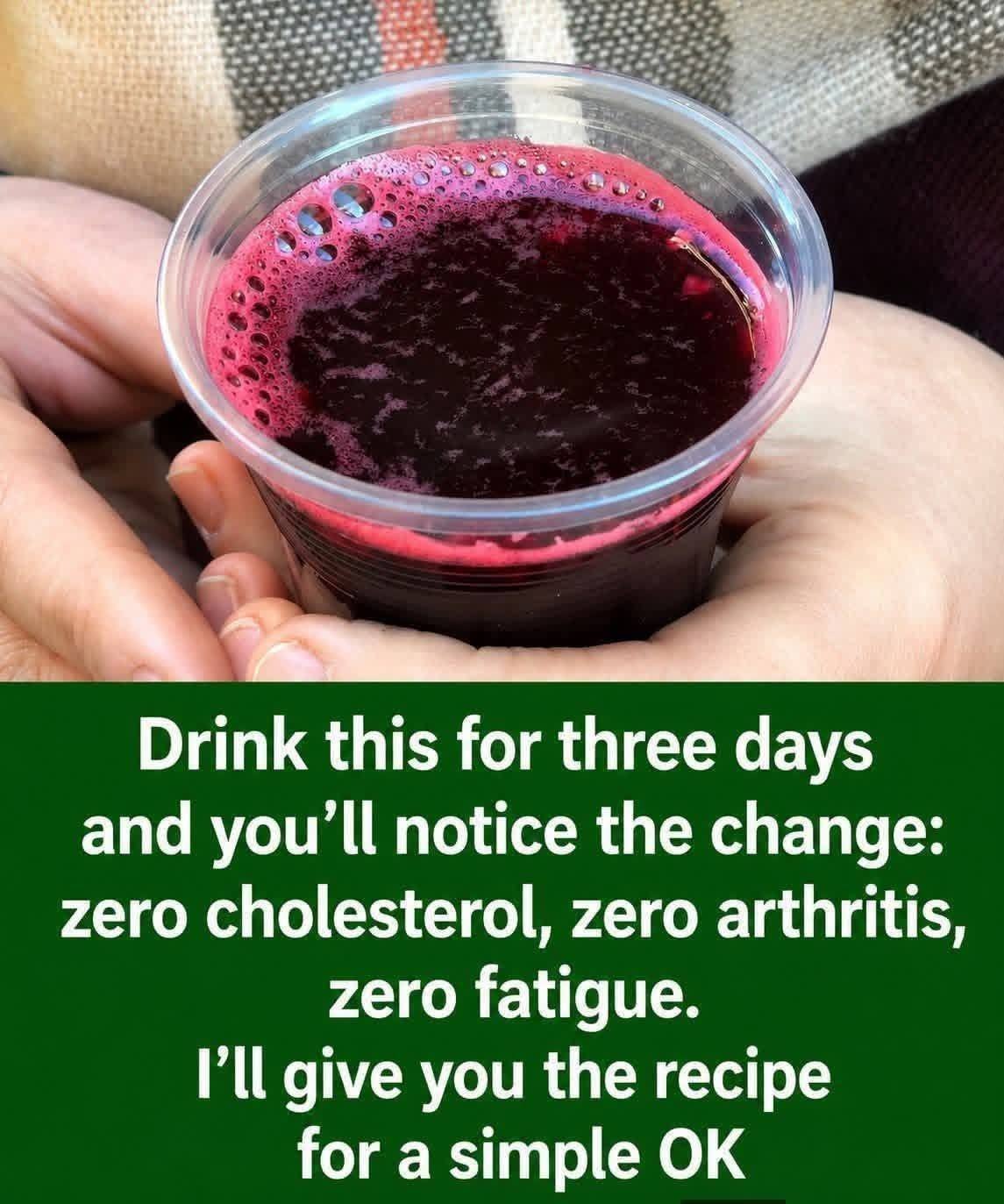
Beetroot has earned a reputation as one of nature’s most nutrient-dense vegetables. Its vibrant color, earthy flavor, and impressive nutritional profile have made it a popular ingredient in juices, smoothies, and wellness drinks around the world.
Many health articles claim that drinking a beetroot-based beverage daily for 30 days can improve energy levels, support heart health, and promote overall well-being. While some of these claims are exaggerated, scientific research does suggest that beetroot contains compounds that may offer several health benefits when included as part of a balanced diet.
Let’s explore what makes beetroot special and what you might realistically expect from incorporating it into your routine.
Why Beetroot Is Considered a Superfood
Beetroot contains a variety of nutrients that support overall health, including:
- Dietary fiber
- Folate (Vitamin B9)
- Potassium
- Iron
- Vitamin C
- Manganese
- Antioxidants
One of its most studied components is a group of naturally occurring compounds called nitrates.
These nitrates play an important role in many of beetroot’s potential health benefits.
The Science Behind Beetroot and Blood Flow
When consumed, dietary nitrates can be converted into nitric oxide within the body.
Nitric oxide helps:
- Relax blood vessels
- Improve circulation
- Support healthy blood pressure
- Enhance oxygen delivery to muscles
Because of these effects, beetroot has attracted attention among athletes and researchers alike.
Potential Energy Benefits
Many people report feeling more energetic after regularly consuming beetroot juice.
One possible explanation is improved oxygen utilization during physical activity.
Research has suggested that beetroot may help the body perform certain types of exercise more efficiently by enhancing blood flow and oxygen delivery.
This does not mean beetroot functions like a stimulant, but it may support endurance and exercise performance in some individuals.
Supporting Heart Health
Heart health is one of the most frequently discussed benefits of beetroot.
Healthy blood vessels are essential for cardiovascular function.
The nitrates found in beetroot may contribute to:
- Improved circulation
- Better blood vessel function
- Support for healthy blood pressure levels
Maintaining healthy blood pressure is an important factor in long-term cardiovascular wellness.
[adinserter block=”4″]
Beetroot and Joint Comfort
Some advocates claim beetroot helps reduce joint discomfort.
While beetroot is not a cure for arthritis or joint conditions, it contains antioxidants and plant compounds that may help combat oxidative stress.
A diet rich in antioxidant-containing foods can contribute to overall wellness and support the body’s natural inflammatory response.
Nutrients That Matter
Potassium
Potassium helps regulate:
- Fluid balance
- Muscle function
- Nerve signaling
- Blood pressure
Folate
Folate supports:
- Cell growth
- DNA production
- Healthy red blood cell formation
Iron
Iron is essential for transporting oxygen throughout the body.
Adequate iron intake can help support energy production and overall vitality.
A Simple Beetroot Drink Recipe
Many people enjoy preparing a homemade beetroot beverage using fresh ingredients.
Ingredients
- 1 medium beetroot
- 1 carrot
- 1 apple
- Juice of half a lemon
- 1 cup water
Instructions
- Wash and peel the beetroot and carrot.
- Chop all ingredients into small pieces.
- Blend with water until smooth.
- Strain if desired.
- Add lemon juice and serve chilled.
This combination offers a balance of sweetness, nutrients, and refreshing flavor.
What to Expect During 30 Days
Individual results vary significantly.
Some people may notice:
- Increased vegetable intake
- Improved hydration
- Better overall dietary habits
- Enhanced energy during exercise
- Greater awareness of nutrition
Others may experience little noticeable change.
Health outcomes depend on many factors, including overall diet, physical activity, sleep, and existing medical conditions.
Possible Side Effects
Beetroot is generally safe for most healthy individuals, but some effects may surprise first-time users.
Pink or Red Urine
A harmless condition known as beeturia can occur after consuming beetroot.
Digestive Changes
Large amounts may cause mild digestive discomfort in some people.
Kidney Stone Concerns
Individuals prone to certain types of kidney stones may need to monitor foods high in oxalates, including beets.
Anyone with specific health concerns should consult a healthcare professional.
The Importance of a Balanced Perspective
No single food or drink can transform health overnight.
The greatest benefits come from consistent healthy habits such as:
- Eating a balanced diet
- Exercising regularly
- Staying hydrated
- Managing stress
- Getting sufficient sleep
Beetroot can be a nutritious addition to these habits, but it is not a miracle solution.
[adinserter block=”5″]