
[adinserter block=”3″]
Most people think of fire hazards as obvious dangers—faulty wiring, unattended candles, overloaded outlets, or malfunctioning appliances. However, firefighters frequently report that some of the most dangerous risks in a home come from everyday items that seem completely harmless.
In recent years, fire safety experts have repeatedly warned homeowners about the importance of recognizing hidden hazards before they lead to serious accidents. One small mistake involving a common household object can sometimes create conditions that increase the risk of a fire.
Understanding these risks and taking a few simple precautions can help protect your home, family, and property.
Why Everyday Objects Can Become Dangerous
Many household fires begin unexpectedly.
Items that are perfectly safe under normal conditions can become hazardous when they are damaged, improperly stored, or used incorrectly.
Examples include:
- Electrical devices
- Charging equipment
- Batteries
- Heating appliances
- Decorative items
- Kitchen equipment
Because these objects are part of everyday life, people often underestimate the potential danger they can pose.
The Growing Concern Over Battery-Powered Devices
One area that has received increasing attention from fire departments is the widespread use of rechargeable batteries.
Many modern products contain lithium-ion batteries, including:
- Smartphones
- Tablets
- Laptops
- Power banks
- E-bikes
- E-scooters
- Wireless tools
- Portable electronics
These batteries are efficient and convenient, but they can become dangerous if damaged, exposed to extreme temperatures, or charged improperly.
Warning Signs You Should Never Ignore
Firefighters encourage people to pay attention to signs that a battery-powered device may be experiencing problems.
Potential warning signs include:
Excessive Heat
A device that becomes unusually hot during charging or use may require inspection.
Swelling or Bulging
Battery expansion can indicate internal damage.
Strange Odors
Chemical smells may suggest battery failure.
Smoke or Sparks
These signs require immediate action and should never be ignored.
Unusual Noises
Hissing, crackling, or popping sounds can signal a serious issue.\
[adinserter block=”4″]
Charging Safety Matters
Many battery-related incidents occur while devices are charging.
Safety experts recommend:
- Using manufacturer-approved chargers
- Avoiding damaged charging cables
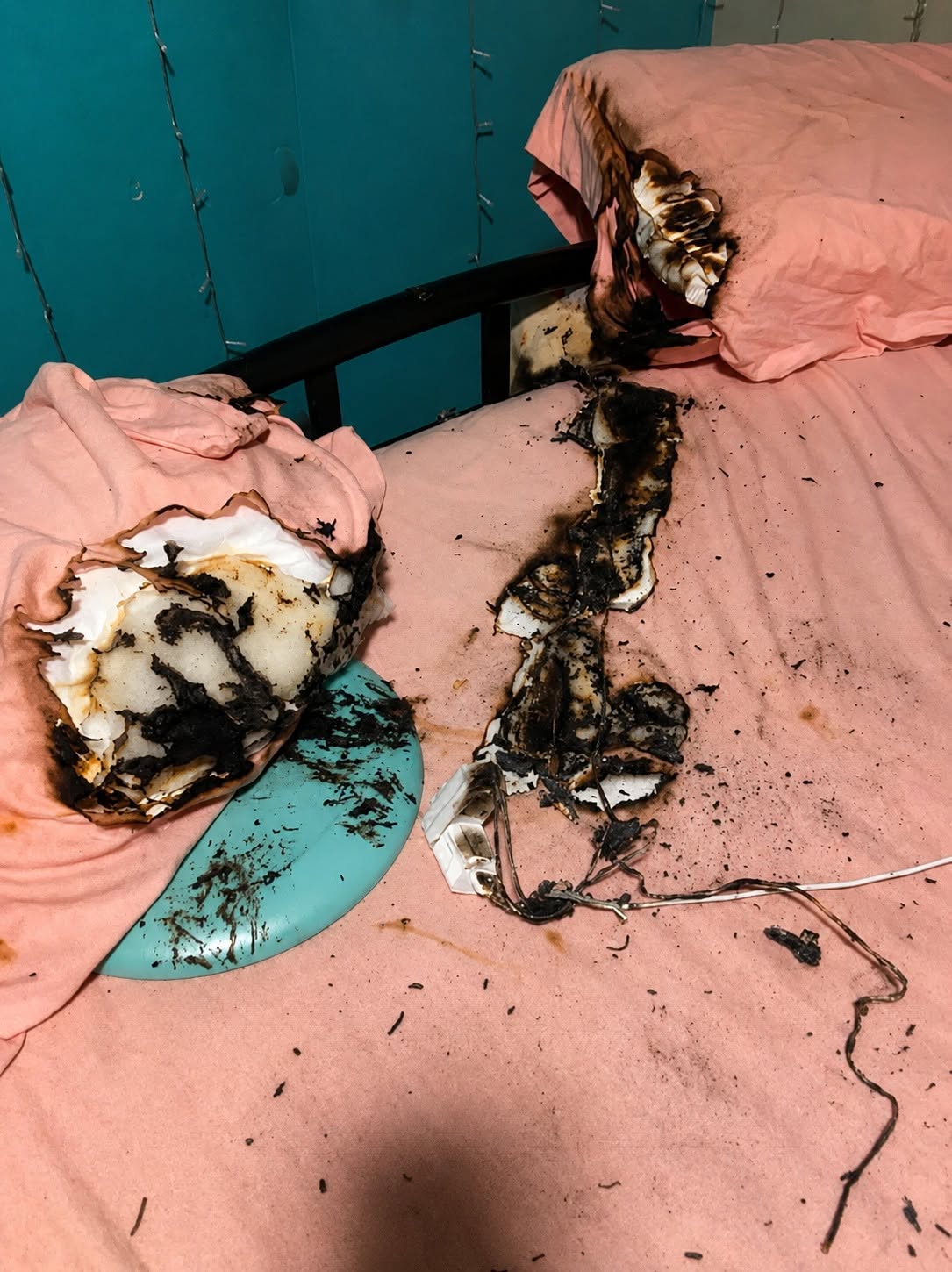
- Charging devices on hard, nonflammable surfaces
- Keeping chargers away from bedding and upholstered furniture
- Unplugging devices once charging is complete when practical
Charging a device under pillows, blankets, or other materials can trap heat and increase risk.
Overloaded Electrical Circuits
Another frequent cause of residential fires involves overloaded outlets and extension cords.
Warning signs include:
- Flickering lights
- Warm outlets
- Burning smells
- Frequently tripped breakers
If multiple high-powered devices are connected to a single outlet, electrical systems can become overstressed.
Kitchen Safety Remains Critical
Many home fires still begin in the kitchen.
Common mistakes include:
- Leaving cooking unattended
- Allowing grease to overheat
- Storing combustible items near burners
- Forgetting appliances remain hot after use
Simple awareness can significantly reduce risk.
Smoke Alarms Save Lives
Firefighters consistently emphasize the importance of functioning smoke alarms.
Every home should have:
- Smoke detectors on every level
- Alarms near sleeping areas
- Regular battery testing
- Periodic replacement according to manufacturer recommendations
Early warning can make the difference between a minor incident and a major tragedy.
Creating a Home Fire Safety Plan
Preparation is essential.
Families should know:
- Multiple exit routes
- Emergency contact numbers
- Safe meeting locations outside the home
- How to respond during an emergency
Practicing a fire escape plan helps ensure everyone knows what to do if a real emergency occurs.
Common Fire Prevention Tips
To improve household safety:
Keep Flammable Materials Away From Heat Sources
Store paper products, fabrics, and other combustibles away from stoves, heaters, and open flames.
Inspect Electrical Equipment Regularly
Replace damaged cords and discontinue use of malfunctioning devices.
Avoid Unattended Candles
Consider flameless alternatives when possible.
Store Batteries Properly
Keep batteries away from excessive heat and physical damage.
Follow Manufacturer Instructions
Proper use and maintenance reduce many preventable risks.
Why Awareness Is So Important
Many fire incidents occur not because people intentionally take risks, but because they are unaware that a seemingly ordinary object can become dangerous under certain conditions.
Education and prevention remain among the most effective tools for reducing household fires.
Small precautions often provide significant protection.
[adinserter block=”5″]