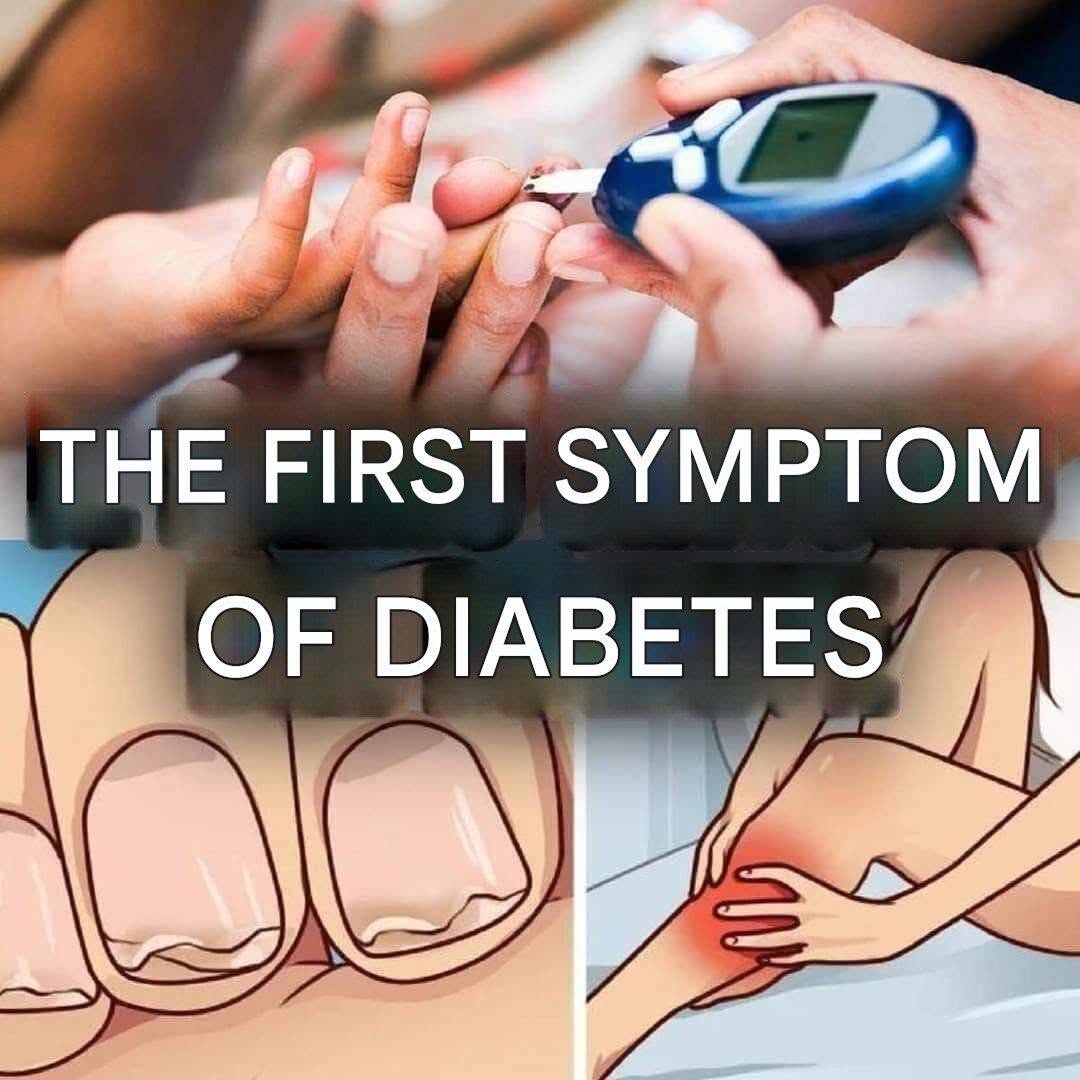
In addition to the usual symptoms of type 2 diabetes such as intense thirst, frequent urination, and clammy, sweaty hands, there are also lesser-known symptoms that are usually never linked to diabetes.
You should keep an eye out for the following five symptoms that may indicate problems with your blood sugar levels. If you experience one or more of these five signs, it’s best to see your doctor immediately for a thorough checkup. Never underestimate the potential risks to your health.

1. You snore often and very loudly.
According to Dr. Osama Hamdy of the Joslin Diabetes Center in Boston , nearly half of patients with type 2 diabetes experience some difficulty breathing during sleep. So, check your blood sugar levels if you snore loudly while sleeping. According to a Canadian study, 23% of people with sleep problems such as moderate sleep apnea are at risk of developing diabetes within just five years.
While this connection hasn’t yet been scientifically proven, statistics show an unusual relationship. This is likely due to the stress hormones our bodies release during sleep, which increase blood sugar levels.
2. Spots on the skin
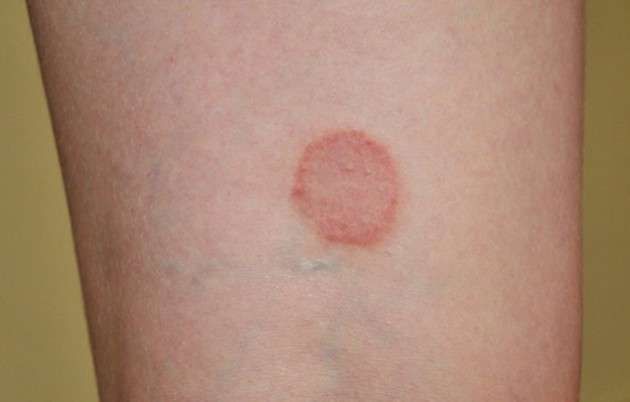
Skin changes are another symptom of high blood sugar levels. You should definitely check your blood sugar levels if you notice dark spots on your elbows, joints, or the back of your neck. Dr. Sanjiy Saini, a dermatologist in Egarwater, Maryland, explains that these changes indicate elevated blood sugar levels and other specific genetic or hormonal conditions.
He says the dark color of the blemishes is due to melanin, which is stimulated by increased insulin levels. He added that these skin changes indicate that the patient already has diabetes. However, once the patient’s blood sugar levels return to normal, these dark patches can be treated with laser therapy.
3. Hearing problems
If you have hearing problems, especially hearing loss, you should probably get your blood sugar tested. According to a study conducted by the National Institutes of Health, hearing loss can also be a symptom of diabetes. Although this condition is not usually associated with diabetes, this study demonstrates that there is indeed a direct correlation between the two.

Experts explain this because of the damage high blood sugar causes to the blood vessels and nerves of the inner ear, which leads to hearing loss. Patients with elevated blood sugar levels have a 30% higher risk of hearing problems than those with normal blood sugar levels. Therefore, monitor this parameter if you suspect you have problems with your blood sugar.
4. Sudden improvement in vision
If you’ve worn glasses your entire life and suddenly no longer need them, diabetes may be the cause. Dr. Howard Baum of Vanderbilt University explains that diabetes can cause both deterioration and improvement in vision. Altered blood sugar levels can also lead to abnormal blood flow in your eyes, causing a sudden deterioration or improvement in your vision.

Dr. Howard Baum stated, “ I have had patients tell me that their vision improved when their blood sugar was raised, and then after starting diabetes treatment, they needed their glasses again .” Diabetes affects vision by stimulating fluid levels in the body to move more, which can also shift toward the eyes, causing sudden visual changes.

5. Intense and constant itching sensation
If you experience itching so severe that you can’t stop scratching, you should consult your doctor immediately, as this may also be a hidden symptom of diabetes. Diabetes makes the skin irritated and dry, thus reducing blood flow. One of the most immediate and visible consequences of these biological processes in our body is a constant and annoying itching sensation in various areas of the body. Don’t ignore this symptom if it recurs frequently and severely.
According to Dr. Baum, nearly all patients with newly diagnosed diabetes report experiencing itchy hands, legs, and feet, which is why he recommends blood sugar testing if these symptoms occur. If you can’t relieve the itching even with moisturizer, see your doctor as soon as possible. It could be a subtle signal from your body indicating a much more serious condition. Common sense and caution are always the best guidelines when it comes to your health.