
Introduction
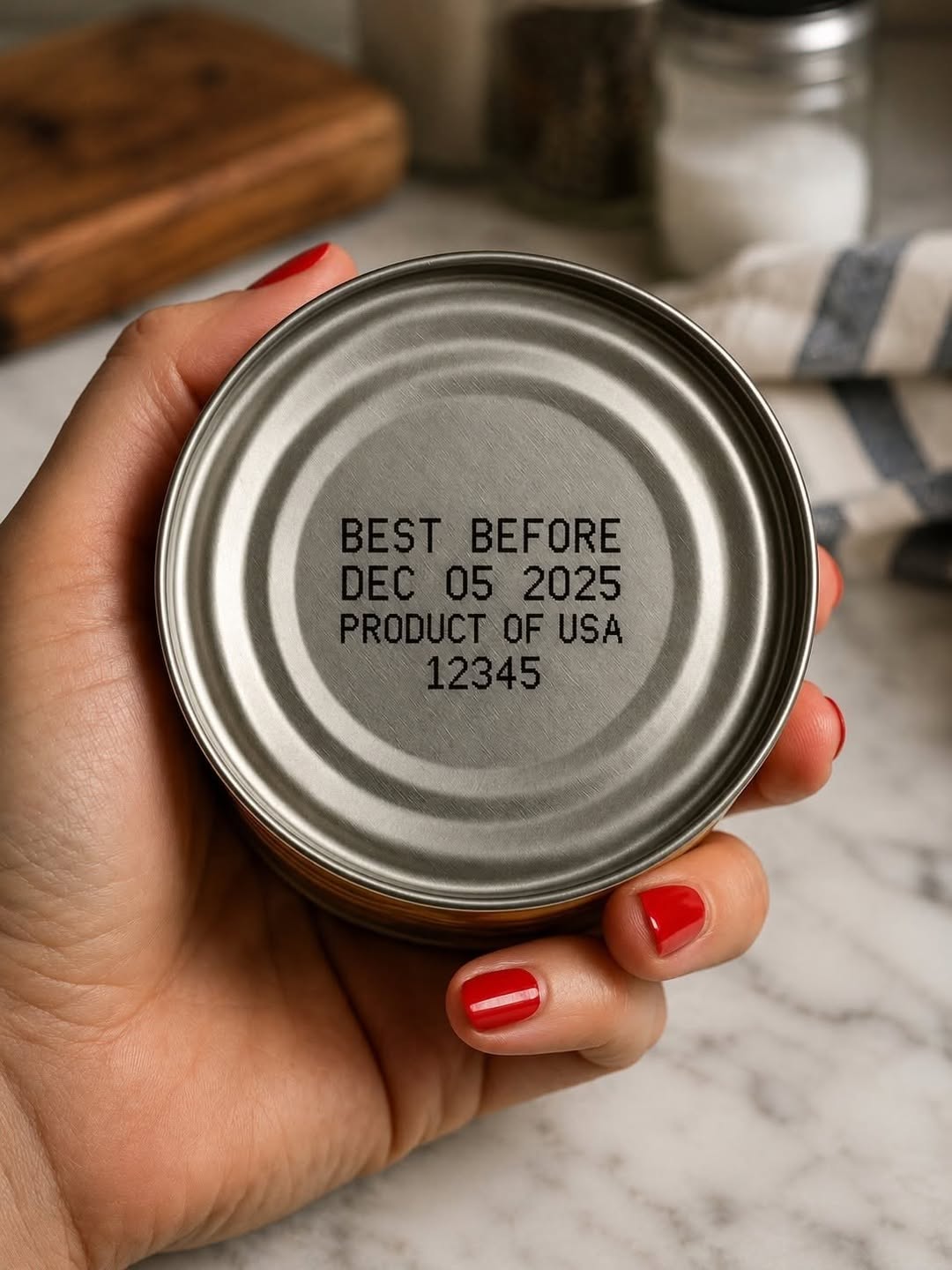
It’s very common for people to see a date on canned or packaged food and assume it means the food is unsafe afterward. In reality, most of these dates are about quality, not safety.
🗓️ What “Best By” / “Best Before” Actually Means
These labels usually indicate:
Peak flavor
Best texture
Optimal freshness
They do not automatically mean the food becomes unsafe after that date.
So a can may still be perfectly fine after the printed date if it has been stored properly.
🥫 Why Canned Foods Last So Long
Canned foods are designed for long shelf life because they are:
Sealed airtight
Heat-processed to kill harmful bacteria
Protected from light and air
This makes them much more stable than fresh foods.
When You Should Throw a Can Away
Even if it’s within date, discard the can if you notice:
Bulging or swollen lid
Rust that compromises the seal
Leaking or damage
Strong bad odor when opened
Spurt of liquid or foam when opened
These can be signs of contamination, including dangerous bacteria like Botulism.
🧠 “Best By” vs Other Labels
Different terms mean slightly different things:
Best By / Best Before: Quality peak date
Use By: Often more strict, especially for perishable foods
Sell By: For store inventory, not consumer safety
❌ Common Mistakes People Make
Throwing away perfectly good canned food too early
Treating “Best By” as an expiration deadline
Confusing quality loss with safety risk
🥫 How to Tell If Canned Food Is Still Good
Before using a canned product:
Check the can’s condition
Open and inspect smell and appearance
If anything seems off, don’t taste it
💡 Bottom Line
“Best By” and “Best Before” dates are mainly about quality, not safety. Many canned foods remain safe after these dates if stored properly and the packaging is intact.
The date on the label is a guide—not an automatic throw-away rule. 🥫✨