
[adinserter block=”3″]
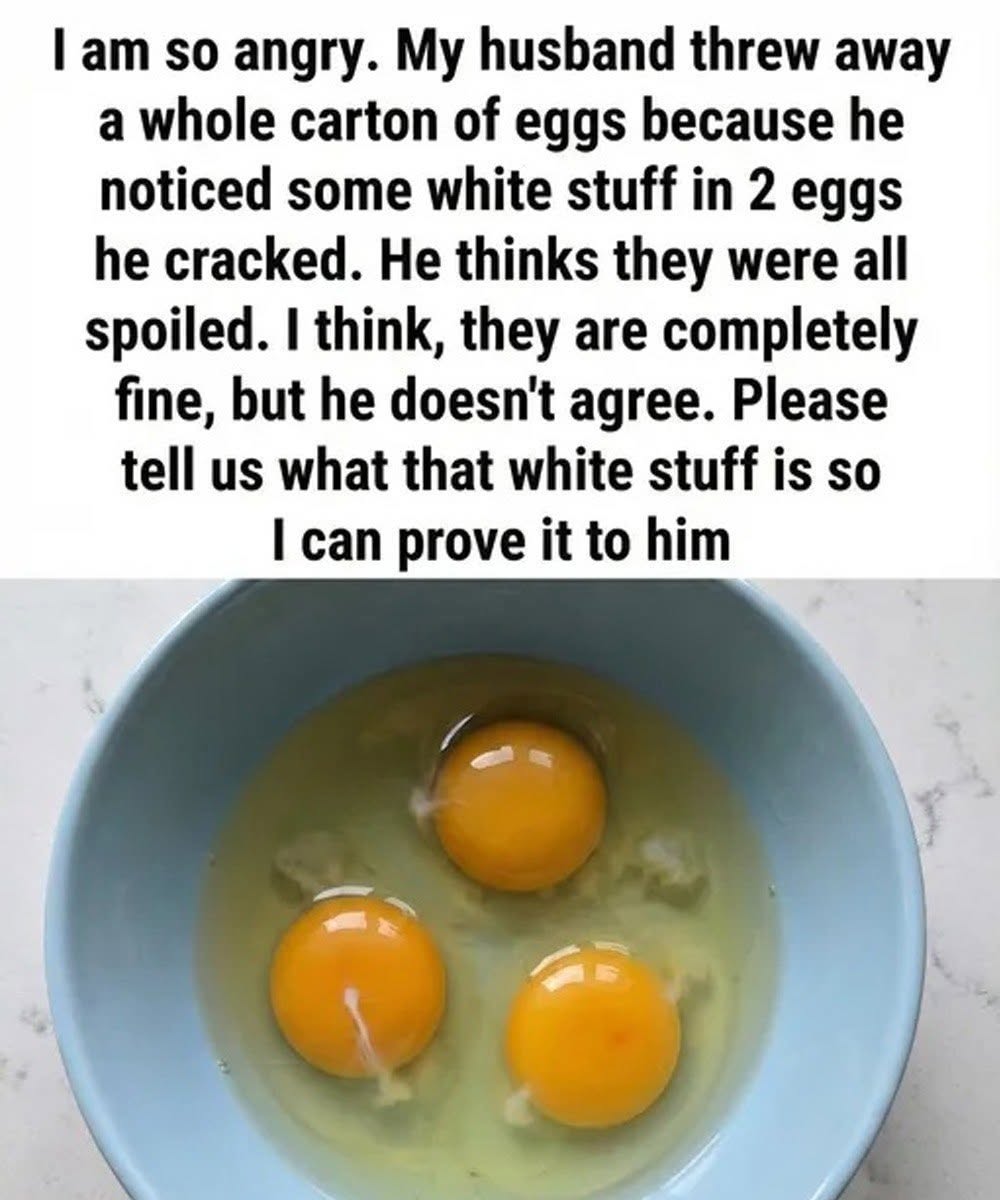
If you’ve ever cracked open an egg and noticed a white, string-like structure inside, you might have wondered if it’s safe to eat or if it means the egg is bad.
The good news: that white strand is completely normal and actually a sign of a fresh egg.
This article explains what it is, what it does, and whether you should remove it before cooking.
What Is the White String in an Egg?
The white string you see inside an egg is called the chalaza (pronounced kuh-LAY-zuh).
It is a natural, rope-like structure made of thickened egg white (albumen).
Its main job:
The chalaza holds the egg yolk in place, keeping it centered inside the egg.
Why Does It Exist?
Inside a chicken egg, the yolk is suspended in the middle of the egg white. The chalaza acts like a support system.
It:
- Keeps the yolk stable
- Prevents it from hitting the shell
- Helps protect the developing embryo (in fertilized eggs)
Think of it like a seatbelt for the yolk.
Is the White String Safe to Eat?
Yes—100% safe.
The chalaza is:
- Edible
- Natural
- Nutritious (same composition as egg white)
It does not mean the egg is bad or contaminated.
Does a Strong Chalaza Mean a Fresh Egg?
[adinserter block=”4″]
Yes, in most cases.
A more visible and thicker chalaza usually means the egg is fresher.
As eggs age:
- The chalaza becomes weaker
- It may become less visible
- The yolk becomes easier to move around
So seeing it clearly is actually a good sign.
Should You Remove It Before Cooking?
It depends on what you’re making.
You can leave it in:
- Scrambled eggs
- Omelets
- Fried eggs
- Baking (most recipes)
You might remove it if:
- You are making very smooth desserts like custards
- You want a perfectly smooth texture for presentation
Most chefs simply leave it in because it disappears during cooking.
Is It a Chicken Embryo?
No.
This is a common misconception.
The chalaza is:
- Not a baby chick
- Not a blood vessel
- Not a sign of spoilage
It exists in all eggs, even unfertilized ones from supermarkets.
What About the Other Parts of the Egg?
Inside a raw egg you’ll find:
- Yolk → yellow center, full of fats and nutrients
- Egg white (albumen) → clear liquid protein
- Chalaza → white string holding yolk in place
- Air cell → small air pocket at the wider end
When Should You Worry About an Egg?
The chalaza is normal, but you should check for spoilage signs like:
- Strong sulfur or rotten smell
- Pink, green, or black discoloration
- Very runny egg white (in old eggs)
If any of these appear, throw the egg away.
[adinserter block=”5″]