
[adinserter block=”5″]
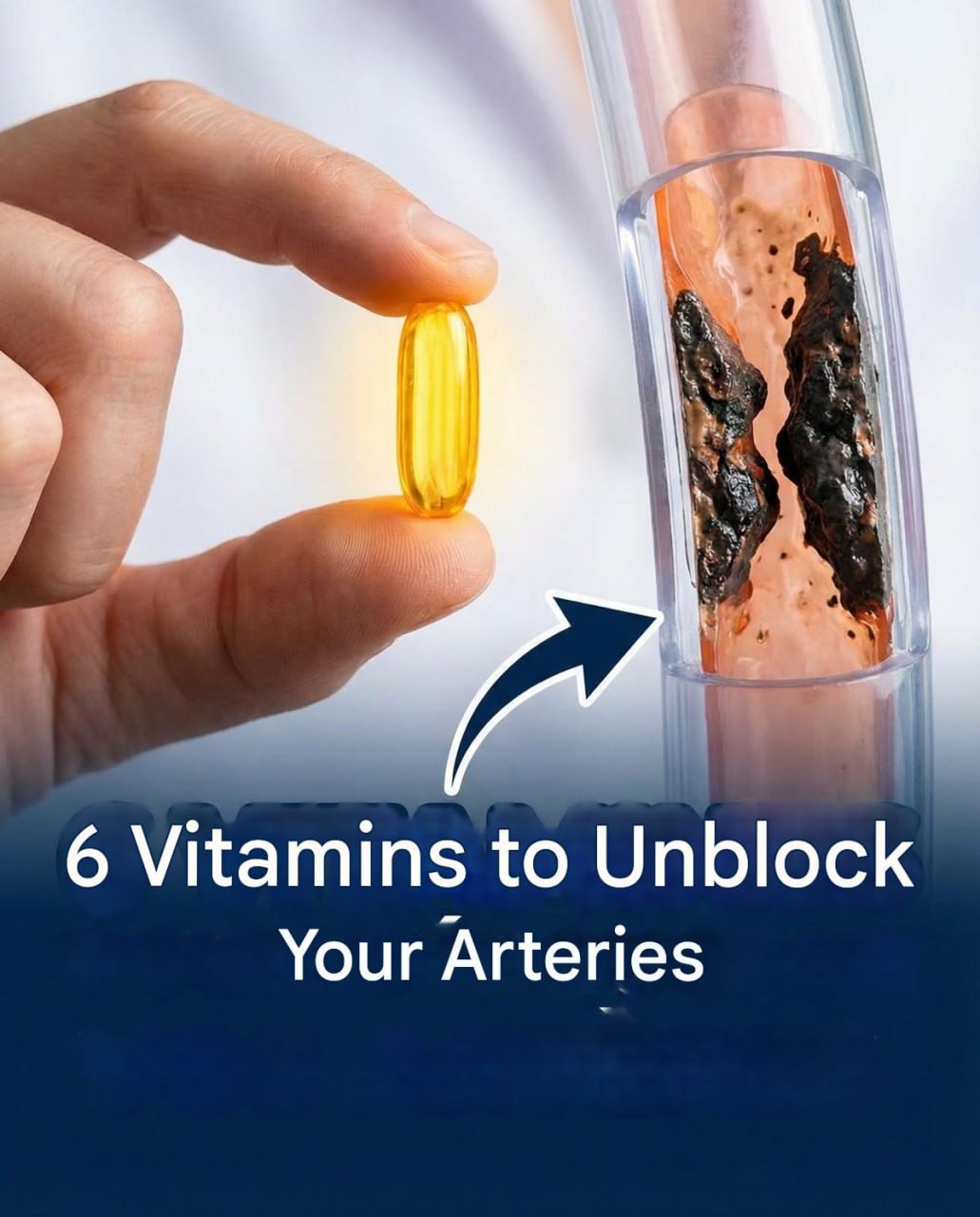
Atherosclerosis is a condition where the inner walls of your arteries become damaged and blocked by a hard substance called plaque. This plaque can narrow your arteries, blocking normal blood flow. This leads to poor circulation and increases the risk of heart attacks, strokes, and blood clots.
What is really going on?
Your heart pumps oxygen-rich blood through your arteries to keep your body alive and healthy. When the inner cell layers of your arteries become inflamed and damaged, small cracks or lesions appear due to stress, poor diet, smoking, and other causes.
LDL cholesterol then begins to accumulate around these cracks in an attempt to repair these pockets of damage, much like a bandage. However, if you don’t correct your lifestyle, your arteries can continue to deteriorate, leading to a buildup of plaque composed of scar tissue called fibrin, hardened calcium, cholesterol, and other waste products.
This plaque transforms into a rigid, cemented substance that hardens like bone, obstructing your arteries and blocking normal blood flow. This can cause a heart attack and potentially death if the main coronary artery is completely blocked.
[adinserter block=”7″]
Symptoms of blocked arteries
You may experience pressure or pain in your chest, especially during emotional stress or exercise, which disappears when you relax. This feeling of pressure is often caused by high blood pressure and poor blood flow to and from the heart.
Another sign is referred pain or swelling on the left side of your body, such as your left shoulder or arm. You may have difficulty breathing, especially when walking, because not enough oxygen is circulating in your arteries.
In some people, there are no symptoms, and plaque can continue to form in the arteries for decades undetected until a blockage occurs. If left untreated, arterial plaque can thicken, significantly increasing the risk of heart attack, stroke, blood clot, or death.
6 vitamins to unclog arteries
In this article, we’ll explore six vitamins that can help unclog your arteries and improve blood flow throughout your body. You’ll also learn some simple lifestyle changes you can make to address the underlying causes of blocked arteries.
1. Vitamin K2 (Mk-7)
Vitamin K2 is one of the most important nutrients when it comes to clearing blocked arteries and preventing plaque buildup. It activates a protein (MGP) that prevents calcium from forming inside your blood vessels and directs it to the bones where it belongs.
If you wish, you can start taking a daily 200mcg vitamin K2 (Mk-7) supplement. You can also obtain it from food sources such as sauerkraut, natto, and beef liver.
2. Krill Oil (Astaxanthin)
Whether you’re looking to clear blocked arteries or protect them from future blockages, krill oil is one of the most powerful supplements. It contains astaxanthin, a potent antioxidant that protects your arteries from inflammation and oxidative damage, helping blood flow freely and maintaining stable blood pressure.
You can take 1000mg to 4000mg of krill oil per day in capsule form.
3. Vitamin E (Tocotrienols)
Vitamin E is essential for protecting your heart and cardiovascular system. A vitamin E deficiency can increase your blood pressure, stressing the arterial walls and making them more susceptible to damage and plaque buildup.
To help unclog your arteries, take up to 300 mg of tocotrienols daily. Tocotrienols, which are part of the vitamin E complex, are significantly more potent than the tocopherols found in regular vitamin E supplements.
Also consume foods rich in vitamin E such as sunflower seeds, hazelnuts, avocados, olive oil, chard and green leafy vegetables.
4. Aged garlic extract (Allicin)
Garlic is one of the most beneficial foods because it contains allicin, a natural sulfur compound that helps reduce arterial calcification. Consume raw garlic daily to help control your blood pressure, lower high blood sugar, and prevent arterial calcification.
If you don’t like the taste of garlic, you can take up to 2400mg of aged garlic extract daily.
5. Vitamin C (Complex)
Vitamin C is an essential nutrient to consume regularly through plant-based foods such as salad leaves, vegetables, berries, and fruits. It helps strengthen collagen in your arteries, keeping them flexible and allowing for normal blood flow.
Eat foods rich in vitamin C, such as cabbage, sauerkraut, strawberries, bell peppers, and cruciferous vegetables. Avoid store-bought “ascorbic acid” vitamin C supplements, as they contain only a small portion of the true vitamin C complex. If you do take a supplement, choose whole-fruit powders like acerola cherry or rosehips.
6. Evening Primrose Oil (GLA)
Evening primrose oil is extracted from the seeds of the evening primrose plant and contains a type of healthy fat called GLA (gamma-linolenic acid). This oil helps heal artery walls by reducing inflammation and transporting arterial plaque to the liver for elimination.
You can take between 3000mg and 4000mg per day. Evening primrose oil is often used by women to reduce the symptoms of premenstrual syndrome and menopause.
Causes of blocked arteries (atherosclerosis)
- Eating too many refined foods such as sugar, processed grains, and flour leads to inflammation of the arterial walls and plaque buildup.
- High levels of ongoing emotional stress increase a hormone called cortisol, which narrows your arteries and raises your blood pressure.
- Consuming too many inflammatory omega-6 vegetable oils such as corn, cottonseed, rapeseed, soybean and margarine oils.
- Taking poorly absorbed calcium supplements that get trapped in the bloodstream and form calcium plaque in the arteries.
- Excessive alcohol consumption
- Smoking, vaping, or being exposed to pollutants depletes vitamin C and makes arteries less flexible.
How to unclog your arteries
- Eliminate processed foods from your diet such as sugar, cereals, bread, soft drinks, cookies, pastries, pasta and sweets.
- Eat high-quality protein such as wild salmon, sardines, grass-fed beef, organic pork, as well as antioxidant-rich plant foods such as sunflower seeds, nuts, celery, tomatoes, rocket, garlic, avocados, and all leafy green vegetables.
- Take 200mcg of vitamin K2 (Mk-7) and 500mcg of vitamin D3 daily. These work together to direct calcium to the bones and prevent its calcification in the arteries.
- Take solitary walks in nature for at least an hour a day to reduce stress and bring more oxygen into your bloodstream.
- Eliminate all inflammatory omega-6 vegetable oils from your diet and cook with extra virgin olive oil or avocado oil. Consume healthy omega-3 fats from cod liver oil, wild-caught fatty fish, nuts, and seafood.
- Consume 2 to 3 tablespoons of nutritional yeast daily to obtain B vitamins, especially niacin, which dilates and opens your blood vessels to prevent blockage or blood clot.
[adinserter block=”6″]