
[adinserter block=”5″]
hange Sperm and Later Lay Cocoons
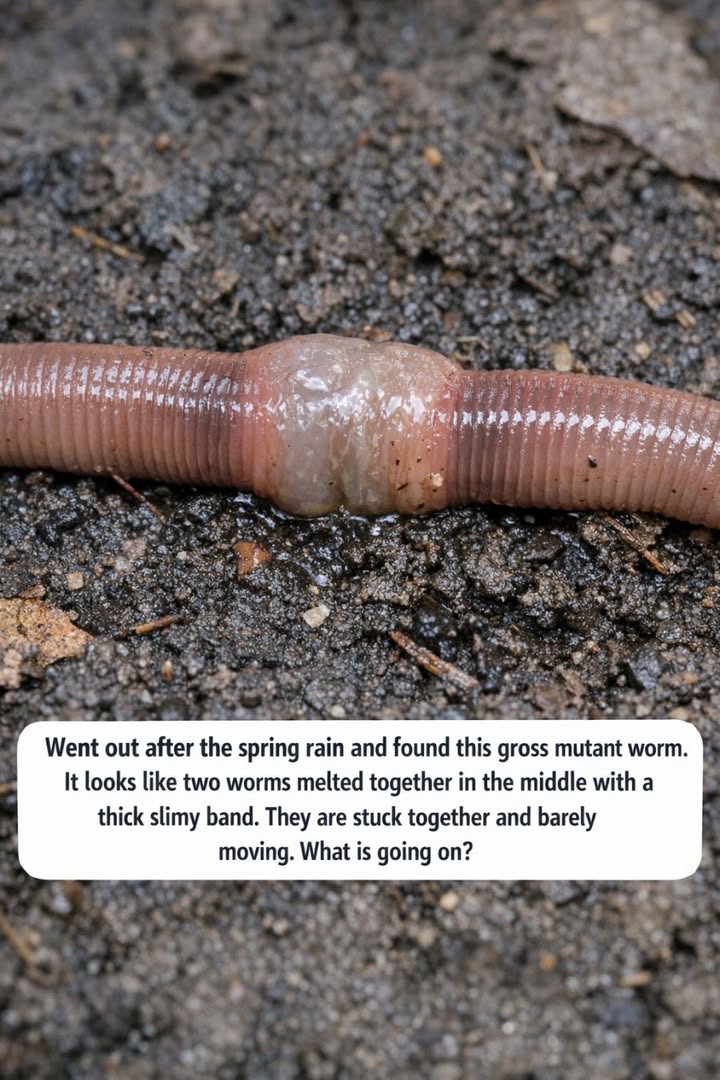
After two earthworms have successfully mated, they each store the sperm received from the other in special sacs called receptacles. Later, as the clitellum secretes a mucus ring, the worm backs out of it, and the ring passes over the reproductive organs, picking up both the worm’s eggs and the stored sperm.
Once fully passed, the mucus ring slides off the worm’s head and closes to form a cocoon, within which fertilization occurs. These cocoons are then deposited in the soil, where the eggs will develop into juvenile worms. This efficient reproductive strategy ensures the continuation of the earthworm population.
7. Is This Dangerous or a Sign of Pollution? What It Actually Means
The sight of mating earthworms may raise concerns about environmental health, but it is a completely natural and healthy sign. The presence of earthworms is generally an indicator of good soil quality, as they thrive in environments rich in organic matter and free from excessive pollutants.
Rather than indicating danger or pollution, the mating of earthworms signifies a robust ecosystem. It suggests that the soil is fertile and capable of supporting life, which is beneficial for gardens and agricultural lands alike.
[adinserter block=”6″]
8. How to Tell Normal Earthworm Mating From Parasites or Injury
While mating earthworms can appear unusual, it is important to distinguish this natural process from potential issues like parasites or injury. Normal mating involves two worms of similar size attached at the clitellum, with no visible damage or distress.
If you observe worms that are different sizes, joined at abnormal locations, or showing signs of injury such as cuts or swelling, these may be indications of parasitism or injury. In such cases, further investigation might be necessary to ensure the health of the soil ecosystem.
9. What to Do (and Not Do) If You Find Worms Joined Like This
If you encounter two earthworms joined together by the clitellum, it is best to leave them undisturbed. Interfering with the mating process can disrupt their reproductive success and potentially harm the worms.
Avoid handling them or attempting to separate them, as this can cause stress or injury. Instead, appreciate the role they play in the ecosystem and allow them to continue their natural behaviors.
10. Why This Weird Sight Is Good News for Your Soil and Garden
The presence of mating earthworms is a positive sign for soil health. Earthworms aerate the soil through their burrowing habits, which improves water infiltration and promotes root growth. Their activity also helps decompose organic matter, enriching the soil with essential nutrients.
By supporting earthworm populations, gardeners and farmers can enhance the fertility and structure of their soil, leading to healthier plants and increased crop yields. Observing earthworm mating is an indicator of a thriving, balanced ecosystem.
11. Other Strange Earthworm Behaviors You Might Mistake for Mutations
Earthworms exhibit several behaviors that might seem strange or abnormal to the untrained eye. For instance, during heavy rains, large numbers of earthworms can be seen migrating en masse, a phenomenon that might be mistaken for a mass mutation or outbreak.
Additionally, earthworms sometimes engage in surface feeding during moist conditions, which can look like erratic or unusual behavior. Understanding these natural activities can help differentiate normal earthworm behavior from actual environmental concerns.
[adinserter block=”7″]